
7 Reasons Why Blogs Die
Hitting 100 blog posts is like blowing out the candles on a digital birthday cake. I'm glad that I made it here. It’s a mix of pride, nostalgia, and a bit of “wow, I really stuck with this.” But here’s the plot twist: a massive number of blogs don’t even make it to post number 10.
They get launched with hype, sparkle, and a “This is gonna be my passive income machine” mindset… and then slowly fade away into the digital void. The culprit isn’t fate — it’s usually a handful of boring, fixable SEO mistakes. Let’s break them down before your blog becomes another forgotten corner of the internet.
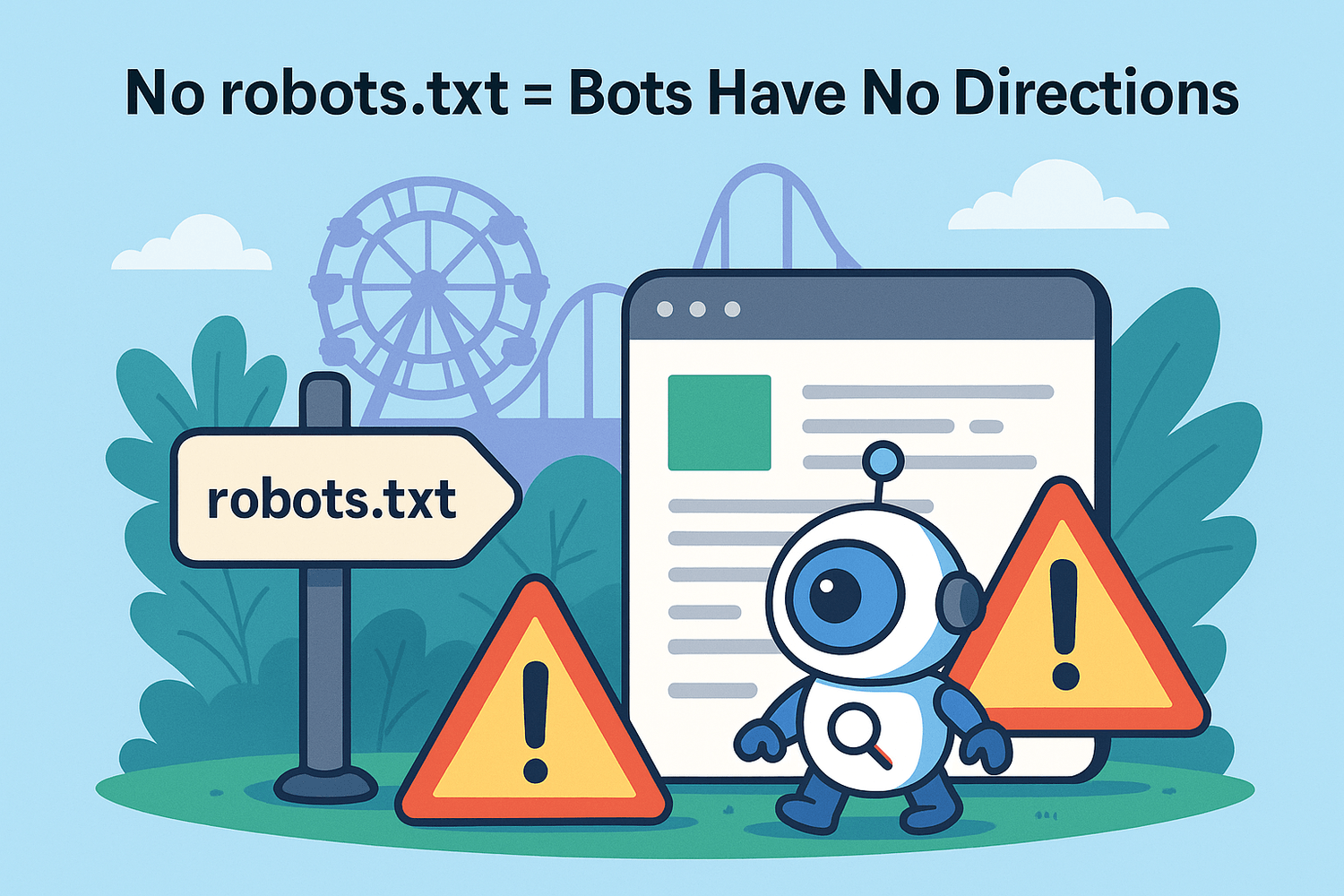
1. No robots.txt = Bots Have No Directions
Think of search engine bots as tiny digital explorers. Their job? Crawl your site, understand your content, and report back to Google. But if your site doesn’t have a robots.txt file, it’s like sending them to a massive theme park with zero maps.
This file tells bots where they’re allowed to go and what to index. Without it, search engines might miss key pages, get stuck crawling useless sections, or just bail entirely.
The fix is surprisingly chill. You can literally hand ChatGPT your domain and say, “Give me a robots.txt format,” then paste it into your site’s root directory. Boom — you’ve handed the bots their GPS.
2. No Sitemap = Google Gets Lost in the Hallway
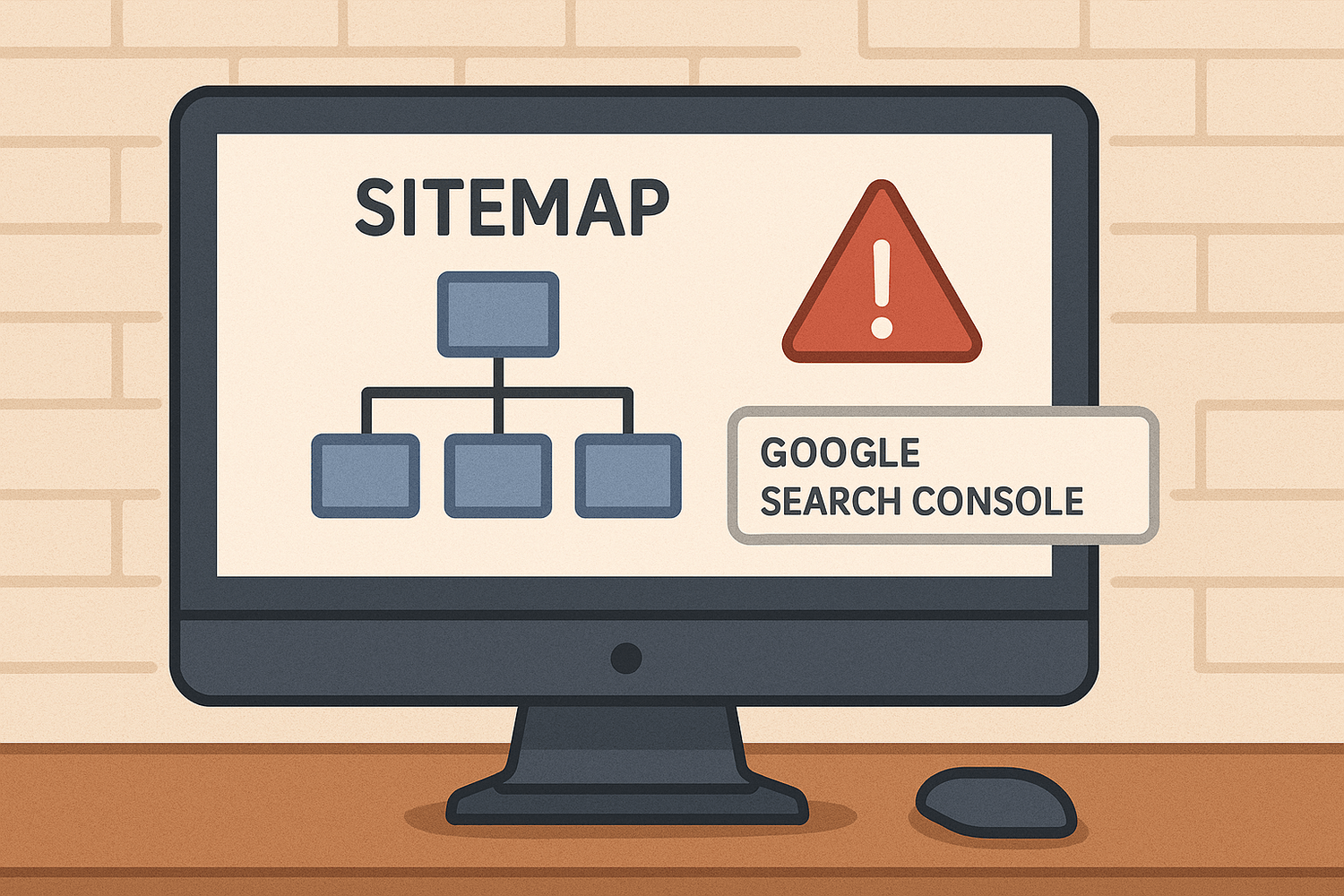
A sitemap is basically your site’s table of contents — a clean, structured list of every important page. It helps Google understand how your site is organized and what deserves attention.
Without a sitemap, Google’s crawling bots end up wandering like tourists in a massive mall with no directory signs. Some pages might get indexed eventually, but it’ll be random and painfully slow.
A solid sitemap acts like a VIP pass, guiding search engines exactly where to go. And the best part? You can generate one in seconds using ChatGPT or online tools, no coding wizardry required.
3. No Indexing = Your Blog Is in Stealth Mode
Even if you’ve got a sitemap, Google won’t just magically pick it up. You have to submit it through Google Search Console.
Think of it like posting a fire selfie but forgetting to actually hit “Share.” Your content exists, but no one sees it.
Submitting your sitemap is a one-time power move. Once done, Google starts indexing your pages properly, which is the first step toward ranking on search results. Skip this step, and your blog’s basically whispering into the void.
4. Zero Internal Links = Every Page Is a Dead End
Imagine walking into a house where every room has a locked door. That’s your blog when you don’t use internal linking.
Internal links connect your blog posts and pages to each other. This keeps visitors moving through your content like a well-designed museum tour. It also helps Google understand your site structure, distribute authority between pages, and crawl everything more efficiently.
Strategically linking older posts, related guides, or cornerstone content can seriously boost both engagement and rankings. Don’t just throw in links randomly — think of it as building a web where each thread strengthens the whole.
5. No External Links = No Receipts, No Cred
Search engines want to trust you, but they’re not taking your word for it. When you link to authoritative external sites — universities, reputable media, research papers, or high-ranking industry blogs — you’re basically saying, “Here’s my source. I did my homework.”
It’s like citing references in a school essay, except this time, Google’s the teacher. External links signal that your content is well-researched and connected to the wider knowledge ecosystem.
Just don’t overdo it or link to random spammy sites. Quality > quantity. A few strong external links per post are enough to give your blog that “trustworthy” glow.

6. Random Images = Missed SEO Gold
Google has gotten freakishly good at understanding what’s in images. With AI-powered image recognition, vague or unrelated visuals don’t cut it anymore.
When you upload meaningless stock photos or forget alt text, you’re basically wasting SEO potential. Images should support your content — diagrams, relevant photos, or graphics with text overlays work best.
Also, always include descriptive alt text (that’s the little text that describes your image to search engines and screen readers). It’s a simple move that boosts accessibility and SEO rankings.
7. Weak Headlines = No One Clicks
Your headline is your blog’s first impression. If it’s dull, long, or vague, readers will scroll past faster than a boring TikTok.
Headlines under 60 characters tend to perform best on search engines because they fit neatly on result pages. But beyond the length, they need to hook. Use keywords strategically, promise value, and add a touch of personality.
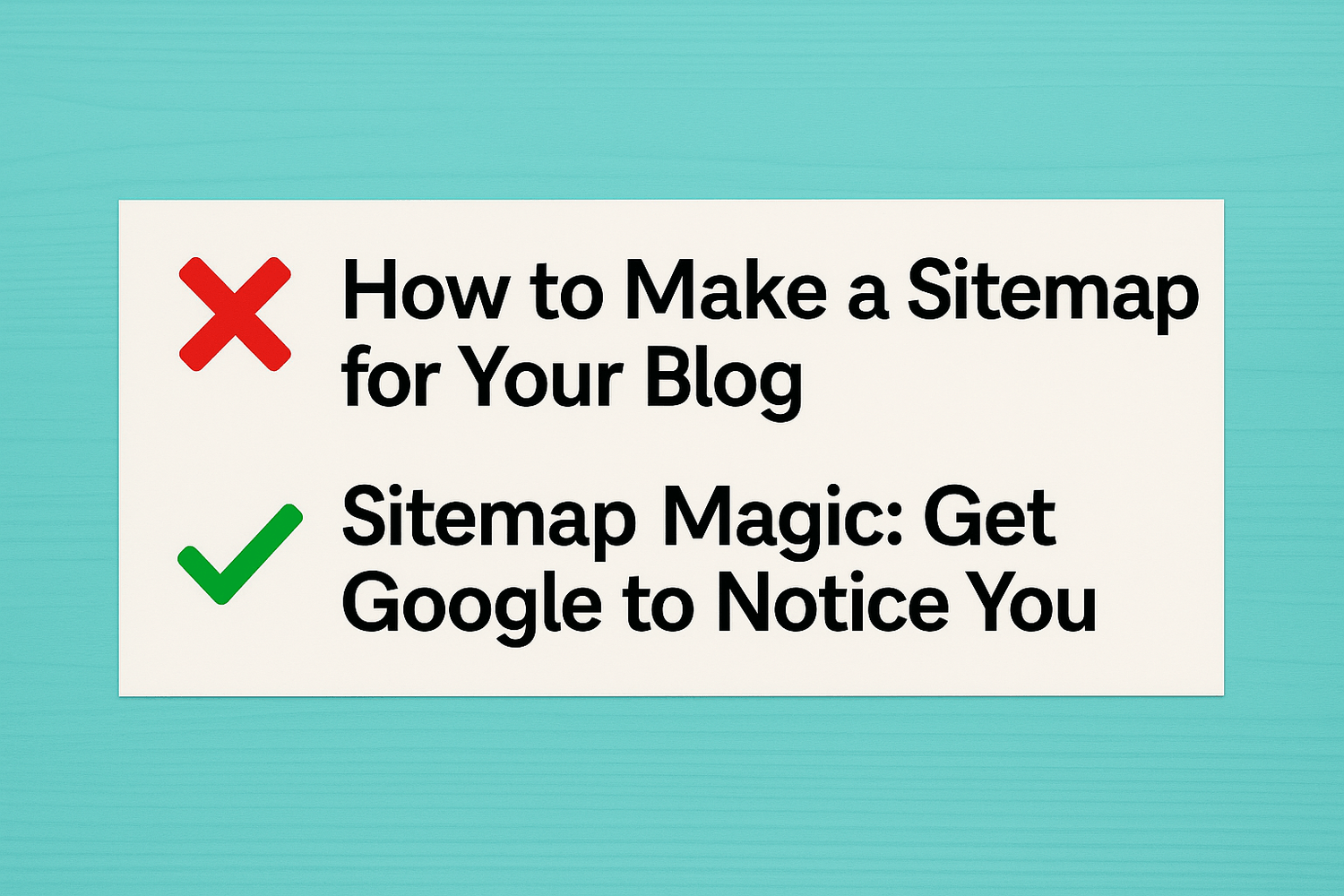
For example:
❌ “How to Make a Sitemap for Your Blog”
✅ “Sitemap Magic: Get Google to Notice You”
It’s punchier, keyword-friendly, and sparks curiosity — exactly what makes people click.
Frequently Asked Questions (FAQ)
A missing robots.txt file, no sitemap submission, or indexing errors in Google Search Console are the usual culprits. You can find the exact reason inside your Google Search Console once you submit the sitemap. Fixing the specific problem makes Google aware your blog exists.
Yes. Headlines under 60 characters with strong keywords and emotional pull significantly boost click-through rates and visibility in search results.
Stick to 2–4 quality external links per post. Prioritize authoritative sources over quantity to build trust with search engines.
Absolutely. Google now scans images for context. Descriptive filenames, alt text, and relevant visuals make your content more discoverable.
Revisit internal links every 2–3 months. Adding links to newer posts strengthens your site structure and boosts older pages’ visibility.
Conclusion
Blogs don’t disappear because the internet is cruel. They disappear because the basics get ignored. Robots.txt files get skipped, sitemaps never get submitted, indexing is forgotten, links are ignored, images are left vague, and headlines sound like boring homework titles.
The good news? Every single one of these problems is ridiculously easy to fix. If you handle these 7 things properly, your blog won’t just stay alive — it’ll grow, rank, and actually bring in readers who stick around.
Finally, thank you all for helping get to 100 posts 🎉


The Money Hacker