
9 Blogging Mistakes Writers Must Avoid for Long Term Growth
Blogging can feel like strapping on a rocket, only to find out you are missing the fuel. To help avoid this shaky start, today, I am going to show you the 9 most common blogging mistakes. Many blogs fail not because of lack of effort but because of avoidable mistakes. Whether you are a beginner or a seasoned blogger, avoiding these pitfalls will, without a doubt, help your blog greatly.
1. Choosing the Wrong Niche
Blogging is not speed dating. It is closer to a long term relationship. Choosing a niche you are not passionate about drains energy fast and leads to quiet burnout. Most bloggers do not quit because they lack skill. They quit because they lose interest in what they are writing. This struggle often comes from rushing into a niche without real clarity (The Money Hacker, August 28, 2025, The Workshop That Helped Me Find My Perfect Niche).
When interest fades, writing feels forced and readers sense the disconnect. Instead of chasing trends, focus on topics you enjoy thinking about even when results are slow. Curiosity sustains consistency better than motivation alone.
To avoid this mistake, you should:
Choose topics you can write about repeatedly without pressure
Test ideas before committing fully
Prioritize interest over trend potential
Allow niche clarity to evolve naturally
This keeps your blog alive long enough to grow.

2. Inconsistent Schedule Hearts Growth
Your blog is not a haunted house. It needs regular visitors, not occasional appearances. Random posting schedules confuse readers and weaken search visibility because neither people nor search engines know when to expect fresh content. According to industry research, there is no one-size-fits-all answer for posting frequency, but neglecting your blog for weeks or months at a time will not do you any favors before search engines or your audience. Consistent publishing helps build rhythm and keeps both readers and search bots engaged (Search Engine Journal, November 13, 2024, How Often Should You Blog? Tips For Ideal Posting Frequency).
Reliable publishing trains readers to return and builds credibility steadily. What you should do:
Set a Realistic Rhythm
Consistency matters more than volume. A weekly or biweekly schedule works well for most blogs and is easier to maintain without burnout.
Use a Content Calendar
Planning topics in advance reduces decision fatigue and keeps posting predictable instead of reactive.
Batch Create Content
Producing multiple posts in one focused session protects consistency during busy periods.
Measure and Refine
Review engagement and traffic patterns regularly to adjust your publishing pace intelligently.
This habit alone can change how fast your blog earns trust and traction.

3. Ignoring SEO Basics
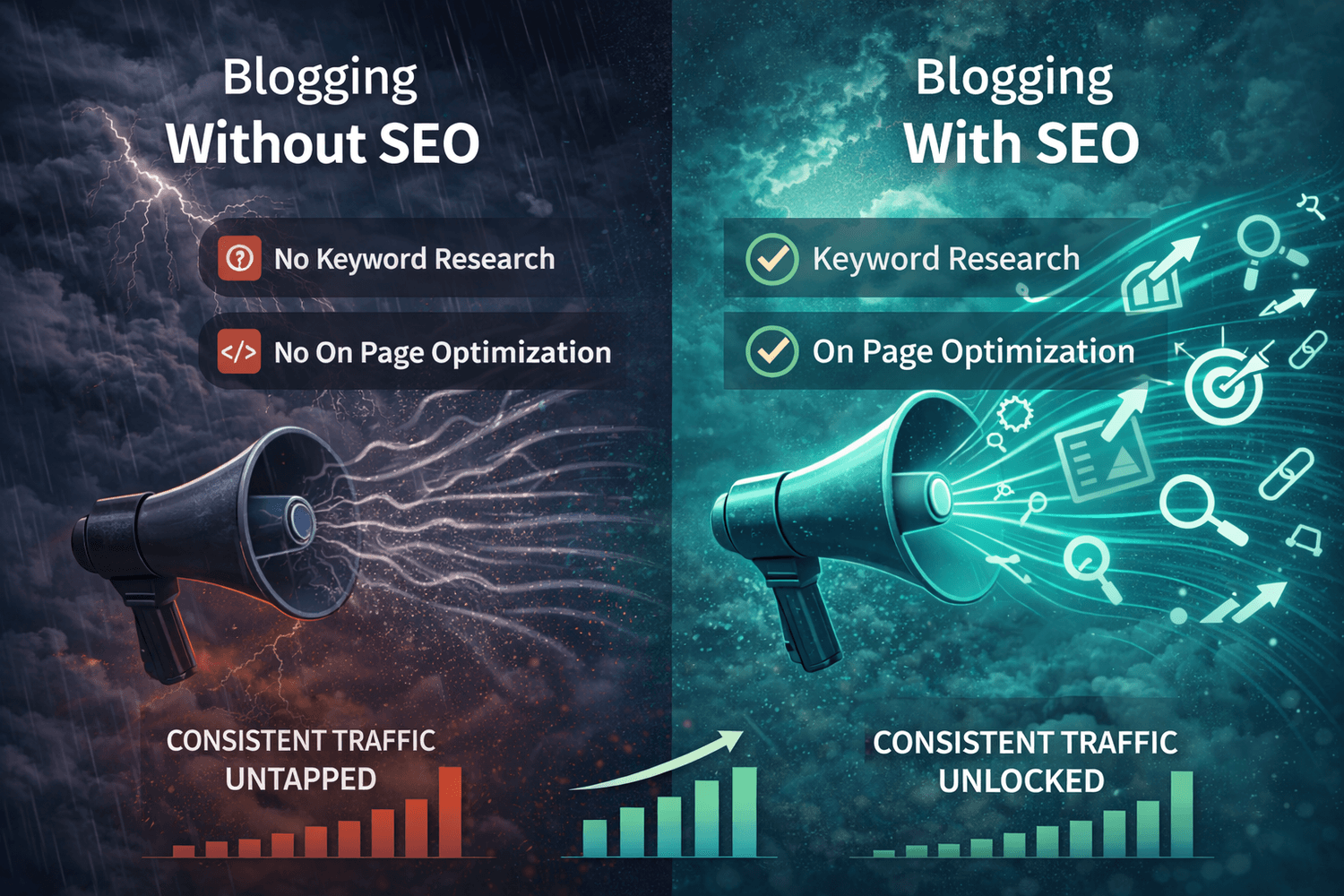
Blogging without SEO is like whispering in a thunderstorm. You will not be heard. SEO amplifies your voice by helping search engines understand and rank your content. Effective SEO starts with solid tools and clear methods such as keyword research, on page optimization, and internal linking. These elements work together to make your blog discoverable and valuable to both readers and search engines. Writers who ignore SEO leave consistent traffic untapped (The Money Hacker, August 23, 2025, The Ultimate SEO Tools Every Writer Should Know).
Keyword Research
Identify what your audience is actively searching for. Tools help uncover demand and competition so you can target keywords with realistic ranking potential.
On Page Optimization
Use keywords naturally in headings, meta descriptions and body content so search engines and readers clearly understand your topic.
Internal Linking
Link older posts to new ones to improve navigation and distribute authority across your site instead of isolating content.
SEO turns good writing into visible writing. Without it even strong content stays hidden.
4. Weak Audience Engagement
Blogging is a conversation, not a monologue. Ignoring comments or audience feedback is like throwing a party and ignoring your guests. When readers take time to respond, they show investment in your content. Replying to comments and answering questions strengthens trust and deepens connection. Craft content that addresses real problems your audience cares about and they will return.
You can also invite interaction by adding polls, quizzes and Q&A sections to your blog. These formats give readers a voice and provide direct insight into their needs. Engagement creates a cycle where feedback shapes better content and readers feel heard.
To boost engagement
Respond promptly to reader comments
Ask questions in your posts to invite replies
Use interactive elements such as polls and quizzes
Create content that answers specific audience challenges
Active engagement turns visitors into loyal readers and repeat traffic.

6. Publishing Bland Blog Content
AI tools are helpful but should not drain the life out of your writing. Blogs filled with bland, robotic text feel flat to readers and do not build connection. Great blogs have personality. They invite readers into a genuine voice that feels human and engaging. Writers who rely solely on AI often miss emotional nuance and context that real people care about (The Money Hacker, August 26, 2025, Humanize Your AI Written Article).
Inject humor, personal anecdotes and a conversational tone to make your content feel relatable instead of generic. After drafting, read your work aloud. If it sounds like a friendly chat instead of a corporate memo, it is closer to what readers enjoy. Personal touches help your blog stand out in a world filled with automated text.
To make content feel alive
Add personal stories that connect to the topic
Use language you would speak in real conversation
Include examples that illustrate your point clearly
Remove overly formal phrases that slow reading
Authenticity helps readers feel seen and heard, which builds loyalty and keeps them returning for more.

6. Not Updating Old Blog Posts Regularly
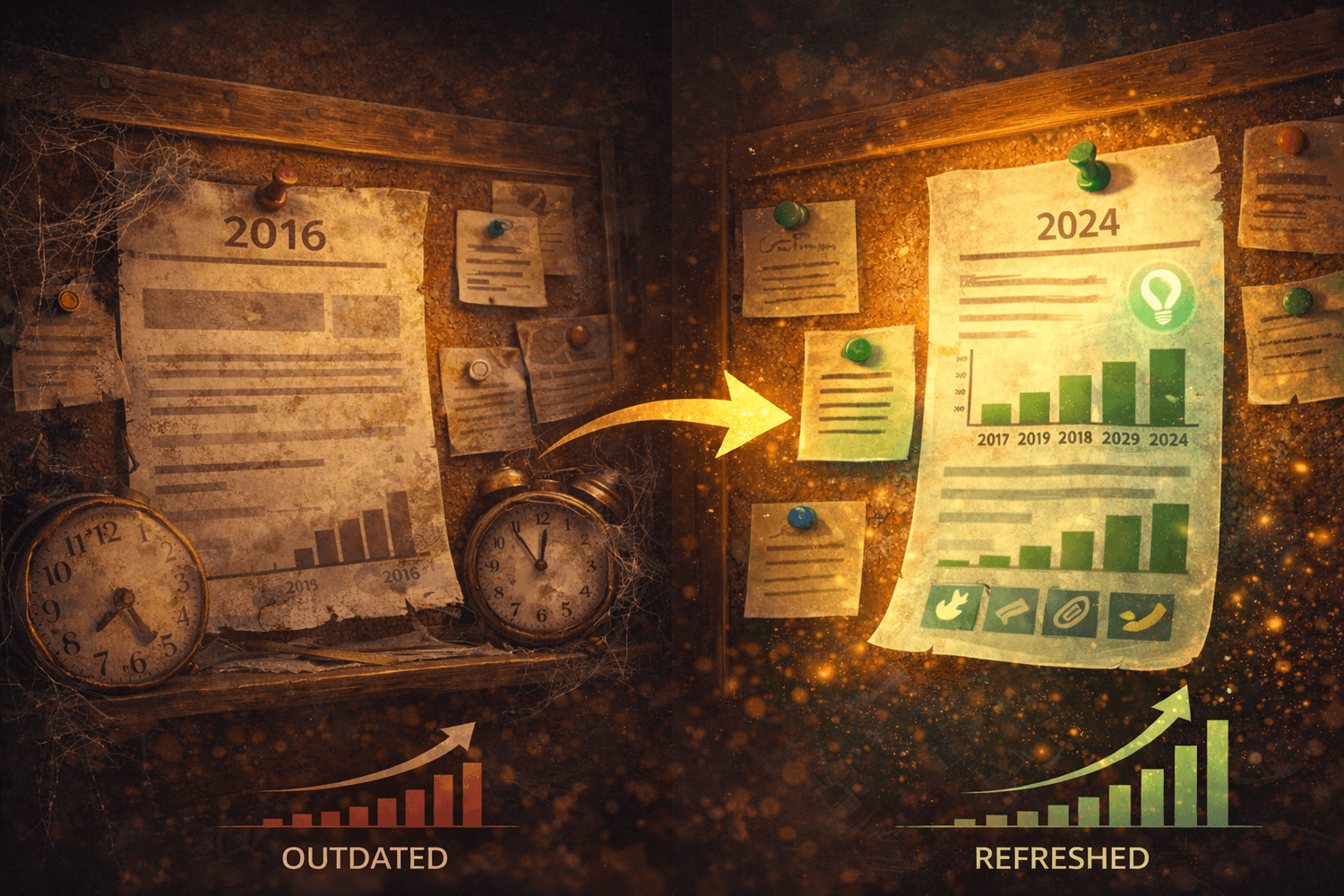
Old content loses relevance fast if ignored. Posts with outdated information, broken links, or old examples can slip in search rankings and fail to meet what people are searching for today. Updating posts with new stats, trends, or examples signals to search engines that your site is active and valuable, and it keeps readers engaged with current insights instead of stale info (The BLU Group, November 8, 2025, The SEO Benefits of Updating Old Blog Content).
Search engines prioritize relevance. Refreshing old content with up-to-date facts and improved structure can improve rankings and organic traffic while showing visitors that your blog cares about accuracy and usefulness. These updates can be as simple as adding new examples or as involved as reorganizing sections to match what readers expect now.
Why Updating Matters
Search engines reward freshness because it often matches user intent more closely than older material. Adding relevant keywords, updating statistics, fixing broken links and improving readability all contribute to stronger performance in search results. Fresh content also feels more trustworthy to readers, which increases time on page and engagement rather than turning visitors away because the article feels dated.
How to Update Old Posts
Review old posts for outdated facts and replace them with current information
Add new internal links to your recent articles to build site structure
Update meta titles and descriptions to match current search trends
Improve readability with clearer headers and better formatting
Keeping content fresh doesn’t require publishing new posts constantly. Strategic updates make existing posts perform like new again.
7. Skipping Visual Contents
Long blocks of text exhaust attention quickly. Visuals help readers process information faster and stay engaged longer because the human brain responds to images more efficiently than plain text. Research consistently shows that visual content improves comprehension and retention, which directly affects how long users stay on a page and whether they share it (HubSpot, January 3, 2024, Visual Content Marketing Statistics You Should Know in 2024).
Infographics simplify data and make insights easier to grasp at a glance. Videos help explain complex ideas where text alone feels heavy. GIFs and memes add light personality when used sparingly, keeping content relatable without distracting from the message. Visual balance improves readability and reduces bounce rates across blogs of every niche.
How to Use Visuals Effectively
Add infographics to summarize statistics or processes
Use short videos to explain difficult concepts
Insert images to break long text sections
Keep visuals relevant and supportive of the content
Strong visuals turn reading into an experience, not a chore.

8. Lack of Monetization Strategy
Relying only on ad networks for income is like trying to fill a swimming pool with a teacup. Diversifying revenue streams protects your blog from fluctuations in ad rates and audience behavior. Many successful bloggers combine several income methods so the performance of one does not make or break their earnings (The Money Hacker, September 28, 2025, Facebook Monetization Secrets).
Affiliate marketing earns commissions when readers buy products you genuinely recommend. Sponsored posts pay directly from brands for exposure to your audience. Selling eBooks or courses turns your expertise into products people pay for. Experimentation helps you find what resonates with your niche and audience before scaling.
Ways to Diversify Income
Add affiliate links for products your audience trusts
Create sponsored content with clear disclosure and value
Build digital products such as eBooks or online courses
Offer consulting or coaching if your topic supports it
A thoughtful monetization strategy lets income grow steadily instead of depending on a single unpredictable source.

9. Avoiding Networking and Collaboration
Blogging in isolation limits reach and slows growth. Networking exposes your work to new audiences through guest posts, collaborations, and shared visibility. Search and content experts consistently note that relationship building helps blogs grow faster because trust and referrals travel through people, not just algorithms. Strong networks often lead to backlinks, mentions, and repeat traffic that solo efforts rarely achieve (Search Engine Journal, July 14, 2023, Why Networking Matters for SEO and Content Growth).
Connecting with bloggers in your niche builds credibility and opens collaboration paths that compound over time. Joining online communities, participating in discussions, and attending webinars or events keeps you visible and relevant. Collaboration does not dilute your brand. It strengthens it by placing your voice in conversations that already have momentum.
Ways to Network Effectively
Engage genuinely with bloggers in your niche
Offer value before asking for collaboration
Participate in communities where your audience already exists
Explore guest posting opportunities with aligned sites
Blogs that grow fastest are rarely built alone. Connections turn effort into expansion.

For mastering blog writing and earn maximum money online, you can use tool like 620 ChatGPT Prompts for Copywriting. Using this bot, you will be able to create sales pages, emails & ads in minutes.
You can also join $100K Money Hackers. Here you will get 35 AI tools for just $1/month. They will help you in your online business, dating life, fitness journey, to have fun and so much more! Be with the Skool Community and enjoy your time.
If your main intention is to earn money quickly in online domain, access The Quick $750 Hack. It is free of cost.
Frequently Asked Questions (FAQ)
Poor focus, weak consistency, ignored SEO and low engagement slow growth. Fixing clarity, publishing rhythm and relevance improves visibility and reader trust over time.
Freelancers often chase trends instead of authority. Sustainable growth comes from niche clarity, steady publishing and content aligned with real search demand in 2026.
SEO neglect limits discoverability and organic traffic. Strong keyword use, internal links and updates help content earn steady income without constant promotion.
Consistent publishing, honest tone and updated content build credibility. Engagement through replies and relevance keeps readers returning and sharing.
High value posts should be reviewed every few months. Updating facts, structure and internal links improves rankings and keeps content useful.
Clear positioning, basic SEO skills, audience understanding and monetization planning matter most. These skills help freelancers convert traffic into stable income streams.
Conclusion
Avoiding common blogging mistakes drives long term blog growth and steady traffic. Strong SEO, consistent posting and real audience engagement build trust over time. Quality content keeps readers returning. Blogging success grows through focus and patience. Start fixing one mistake today and move your blog closer to its full potential.


The Money Hacker