
How the Attention Economy Pushes Creators Too Far
The attention economy has reshaped how people earn online. Visibility now converts directly into income. Views trigger ads. Engagement attracts brand deals. For creators, attention feels like oxygen. But this system is not neutral. It rewards intensity over balance and speed over safety. Over time, creators are pushed to cross personal limits just to remain visible and maintain income momentum.
Attention as a Monetized System
Digital platforms are built to capture attention because attention directly drives revenue. Time spent watching, scrolling and reacting turns into ad value and platform growth. Creators sit at the center of this system. Their content keeps users engaged and feeds the cycle. Once income depends on attention, visibility stops being optional and becomes financial pressure. Attention turns into currency and creators learn to chase it to stay afloat.
The attention economy explains how human focus itself becomes a tradable asset inside digital markets, where platforms profit by maximizing engagement time (The Motley Fool, February 14, 2025, What Is the Attention Economy?). This pressure shapes creator behavior, pushing them to optimize for visibility over balance. Internal analysis also shows how online earning models increasingly reward constant presence and identity driven content rather than sustainable output (The Money Hacker, September 16, 2025, Horse Girl Aesthetic for Freelancers to Earn Online in 2025).
Why Extreme Content Outperform Balance
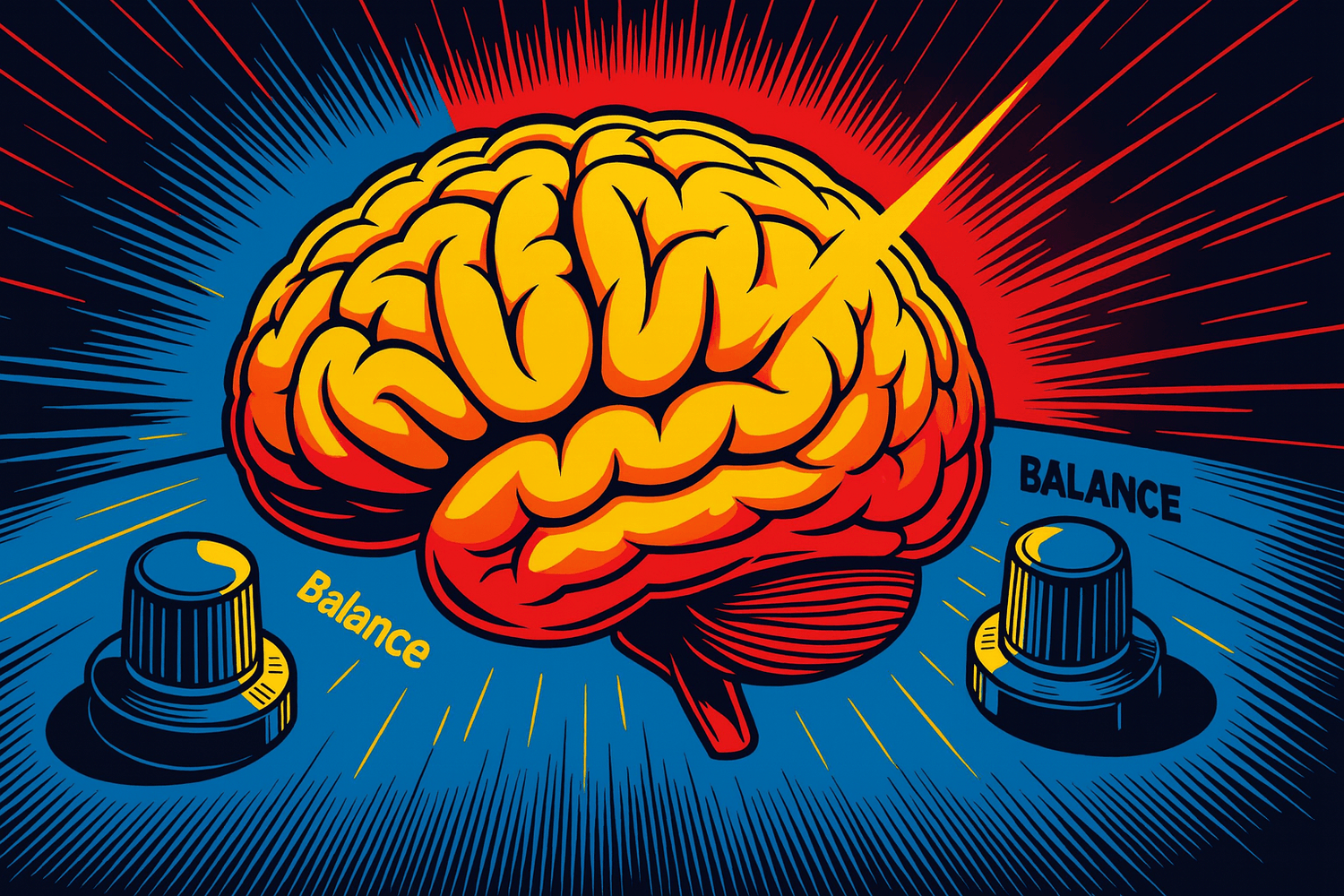
Algorithms are built to reward emotional intensity. Content that sparks shock, anger, fear or curiosity keeps people watching longer, clicking more and reacting faster. Calm explanations and balanced takes struggle because they do not trigger the same neurological pull. Platforms optimize for engagement metrics, not well being. Creators learn this through performance feedback. Posts that provoke stay visible. Posts that explain quietly disappear. Over time, escalation becomes a survival tactic rather than a creative choice. The Guardian reports that recommendation systems actively amplify extreme and polarizing material because it sustains attention and repeat interaction (The Guardian, February 6, 2024, Social media algorithms are amplifying misogynistic content).
This pressure reshapes creator behavior and audience expectations. When outrage and spectacle dominate feeds, moderation feels invisible. Creators who do not escalate feel punished by reach drops. Audiences grow conditioned to intensity and scroll past nuance. Internal analysis shows how younger users migrate away from platforms perceived as stagnant or hostile while still consuming high stimulus content elsewhere, reinforcing the same engagement loop across platforms (The Money Hacker, September 23, 2025, U.S. Teens Are Leaving Facebook and X). Balance does not fail because it lacks value. It fails because the system does not reward it.
When Body Becomes Brand
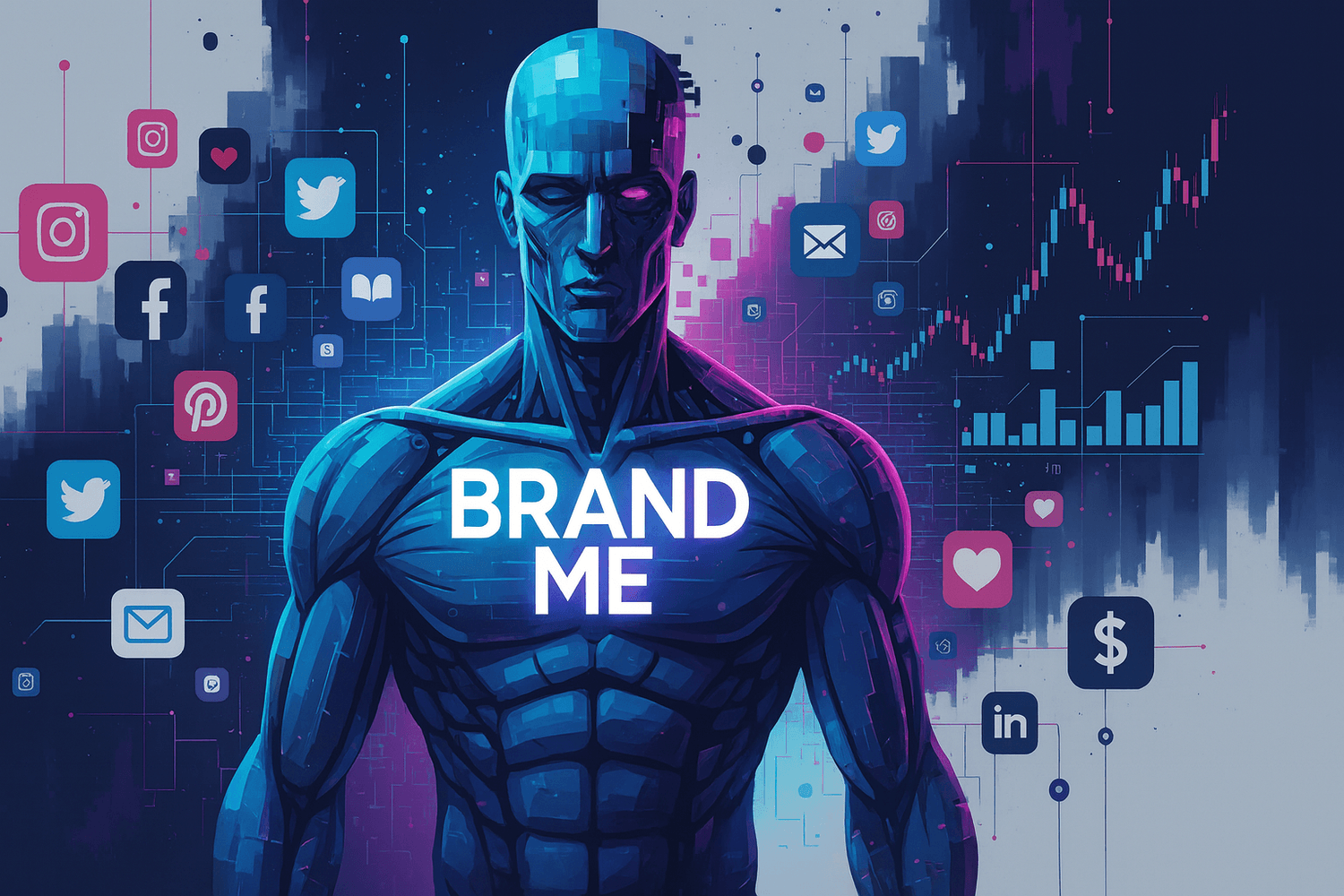
In the attention economy, branding moves beyond ideas and skills. Identity itself becomes monetized. For many creators, the body turns into the most reliable attention signal. This shift reshapes value, boundaries and risk.
Appearance as Market Strategy
Visual identity becomes a pricing tool when engagement drives income. Distinct looks attract faster recognition and higher deal value. Shopify explains that influencer pricing scales with perceived uniqueness and engagement strength, not long term sustainability (Shopify, Dec 2, 2025, Influencer Pricing: The Cost of Influencers in 2026). When revenue follows visibility, physical presentation turns into business strategy.
Physical Change as Content Fuel
Some creators escalate by turning transformation itself into storytelling. Procedures, alterations and aesthetic shifts become episodic content. Healthline notes that body branding is often framed as self expression, but repeated physical modification carries medical and psychological risks over time (Healthline, July 18, 2023, Body Branding: What Do I Need to Know?). Engagement rewards the change, not the cost.
The Financial Trap Behind the Image
Monetizing appearance creates hidden expenses. Maintenance, procedures, recovery and pressure to remain visually competitive add up. Yahoo Finance reports that influencers often underestimate these long term costs while income remains unstable and performance driven (Yahoo Finance, October 12, 2018, The True Cost of Being a Social Media Influencer). The brand grows while the margin shrinks.
Identity Erosion Over Time
When the body becomes the product, personal boundaries erode quietly. Cultural analysis shows how creators can become locked into the version of themselves that performs best, even when it no longer reflects who they are (F E Jones Live, May 13, 2025, When Your Body Becomes Your Brand: The Silent Erosion of Identity). Consistency becomes obligation and the self turns into inventory.
Mental Health Under Algorithmic Pressure
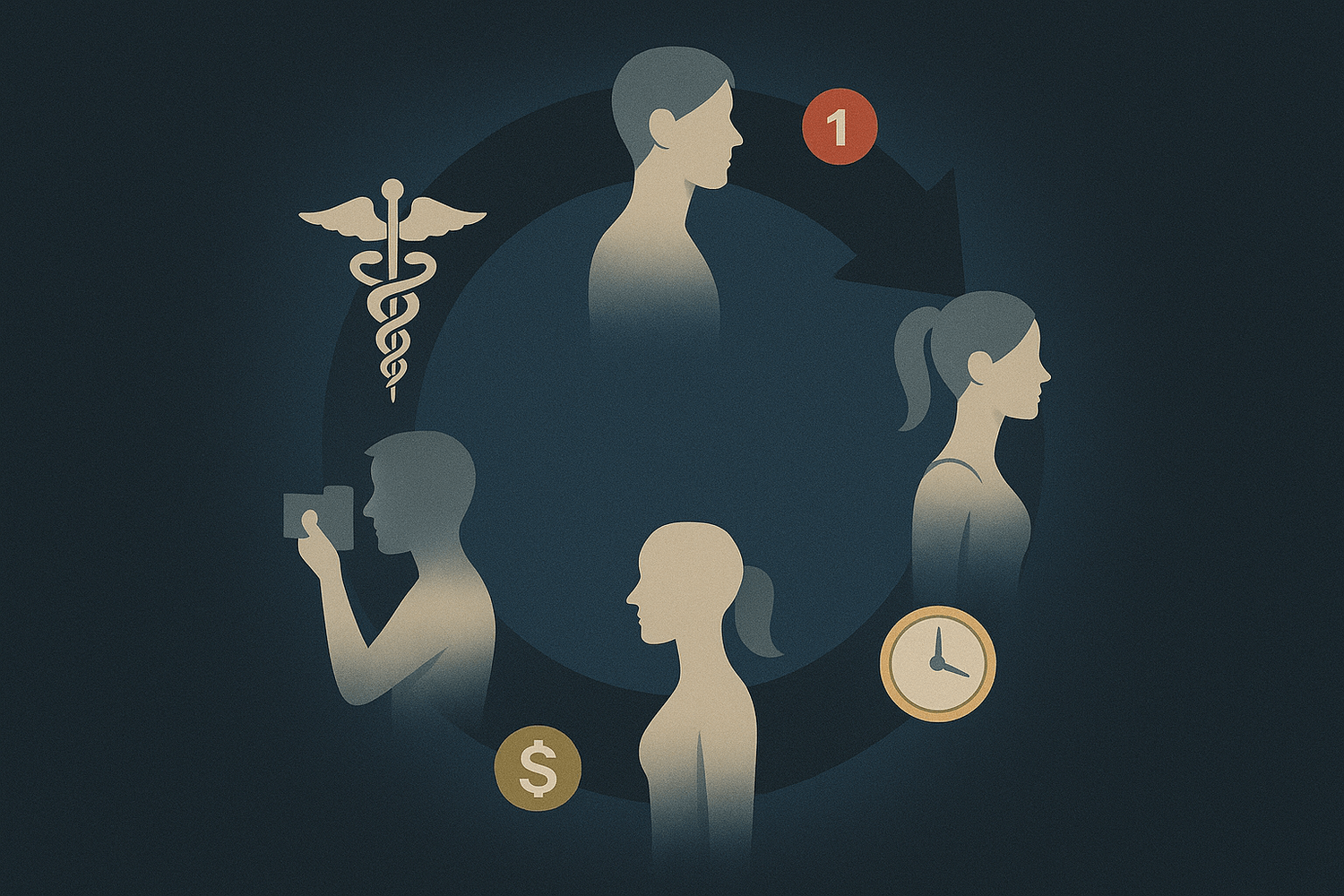
Always being visible means always being judged. Every post invites reactions, metrics and comparison. Pausing can feel dangerous because silence often leads to reach loss. Creators operate under constant public evaluation without formal support systems, boundaries or off hours. Research literature describes how this environment fuels anxiety, burnout and identity strain as creators struggle to separate personal worth from performance data (ResearchGate, January, 2025, The Dark Side of Social Media Influencers: A Research Agenda for Analysing Deceptive Practices and Regulatory Challenges).
Academic research now shows that algorithmic pressure changes behavior and mental health outcomes. A University of Portsmouth study highlights how creators face emotional exhaustion from constant optimization, audience scrutiny and fear of decline, even when income or visibility appears strong (University of Portsmouth, February 24, 2025, New research unveils the dark side of social media influencers and their impact on marketing and consumer behaviour). Success does not reduce pressure. It often increases it.
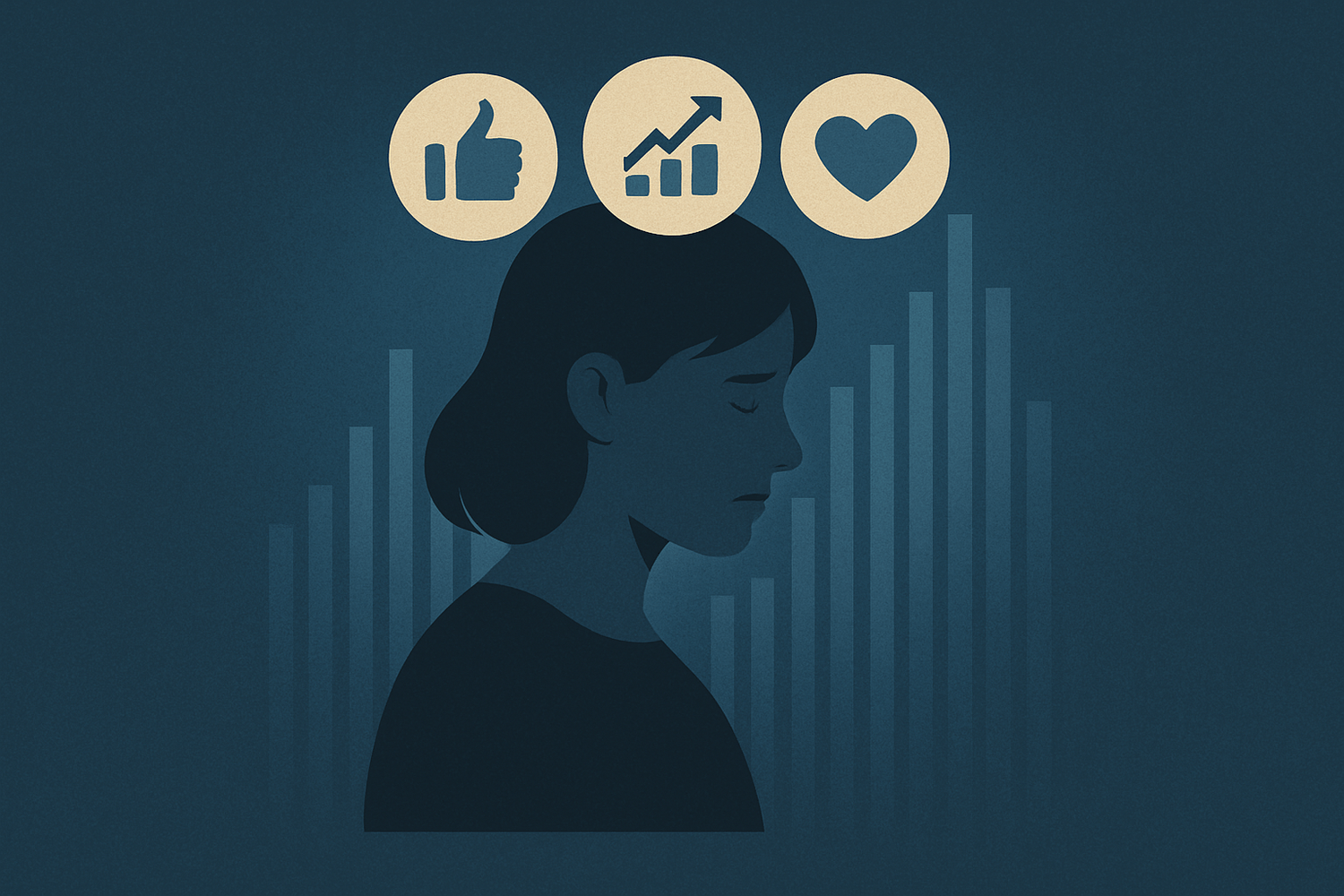
Internal analysis also shows how viral growth can mask psychological cost. When income depends on momentum, creators feel forced to stay online and responsive even when overwhelmed. The Money Hacker notes that turning viral trends into income often creates unstable cycles where attention spikes without emotional recovery time (The Money Hacker, November 13, 2025, How Freelancers Turn Viral Trends into Real Income). Under algorithmic pressure, mental health becomes collateral rather than priority.
Mary Magdalene's Death and a Shake
Mary Magdalene, known online for dramatic cosmetic surgery content, was reported dead after a fall in Phuket, Thailand. Police were reported as investigating the circumstances. Reports also noted a final post that fans read as ominous. The story spread fast because the internet already knew her brand and her image. (People, December 13, 2025, Influencer Mary Magdalene, Known for Dramatic Cosmetic Surgeries, Dies at 33 After Falling from High-Rise Apartment)
This is where tragedy meets the attention machine. The same online focus that builds a creator can also amplify the worst day of their life. It turns grief into a thread. It turns uncertainty into theories. It turns a real person into a “mystery” people argue over.

Why the Story Exploded Online
This case sits at the intersection of fame and body modification culture. It also sits inside a climate where audiences expect constant escalation. People do not just watch. They judge, diagnose and then speculate.
Teen and young adult audiences live in this media weather every day. Pew found steep declines in teen use of Facebook and X and heavy use across YouTube, TikTok, Instagram and Snapchat. Pew also found nearly half of teens say they are online almost constantly (Pew Research Center, December 12, 2024, Teens, Social Media and Technology 2024).
So when a shocking story hits, it spreads into a crowded room. Everyone is already there and definitely each and every person already has an opinion.

Mary Magdalene and Body Pressure Reality
There is no confirmed evidence that body pressure caused Mary Magdalene’s death. What can be examined is the environment around her public life. Her online identity was built around extreme cosmetic surgery and body modification. Appearance was not separate from work. It drove visibility, income and audience attention.
What People Claimed Online
Some online comments framed her death as “the cost of extreme surgery culture.” Others framed it as “proof the internet pushed her too far.” Many people pointed to her final posts and treated them as a message. That interpretation spread fast because audiences already associated her with escalation and risk. This is not evidence. It is narrative building.
Mainstream reporting did not present a verified claim that cosmetic surgery or body pressure directly caused her death. Coverage focused on the reported fall and the ongoing investigation (People, December 13, 2025, Influencer Mary Magdalene, Known for Dramatic Cosmetic Surgeries, Dies at 33 After Falling from High Rise Apartment) (TMZ, December 13, 2025, Mary Magdalene Shared Cryptic Post Before Death).
What is Confirmed
As stated earlier in this article, her death is reported as falling from a high rise building in Patong, Phuket, Thailand. According to Thai police, investigation is still underway (at the time of publication). That means the cause and manner were not confirmed in the reporting (Yahoo Entertainment, December 13, 2025, Model and Plastic Surgery Enthusiast Mary Magdalene Dies at 33 After Falling From High Rise Apartment).
What the Body Pressure Angle can Responsibly Say
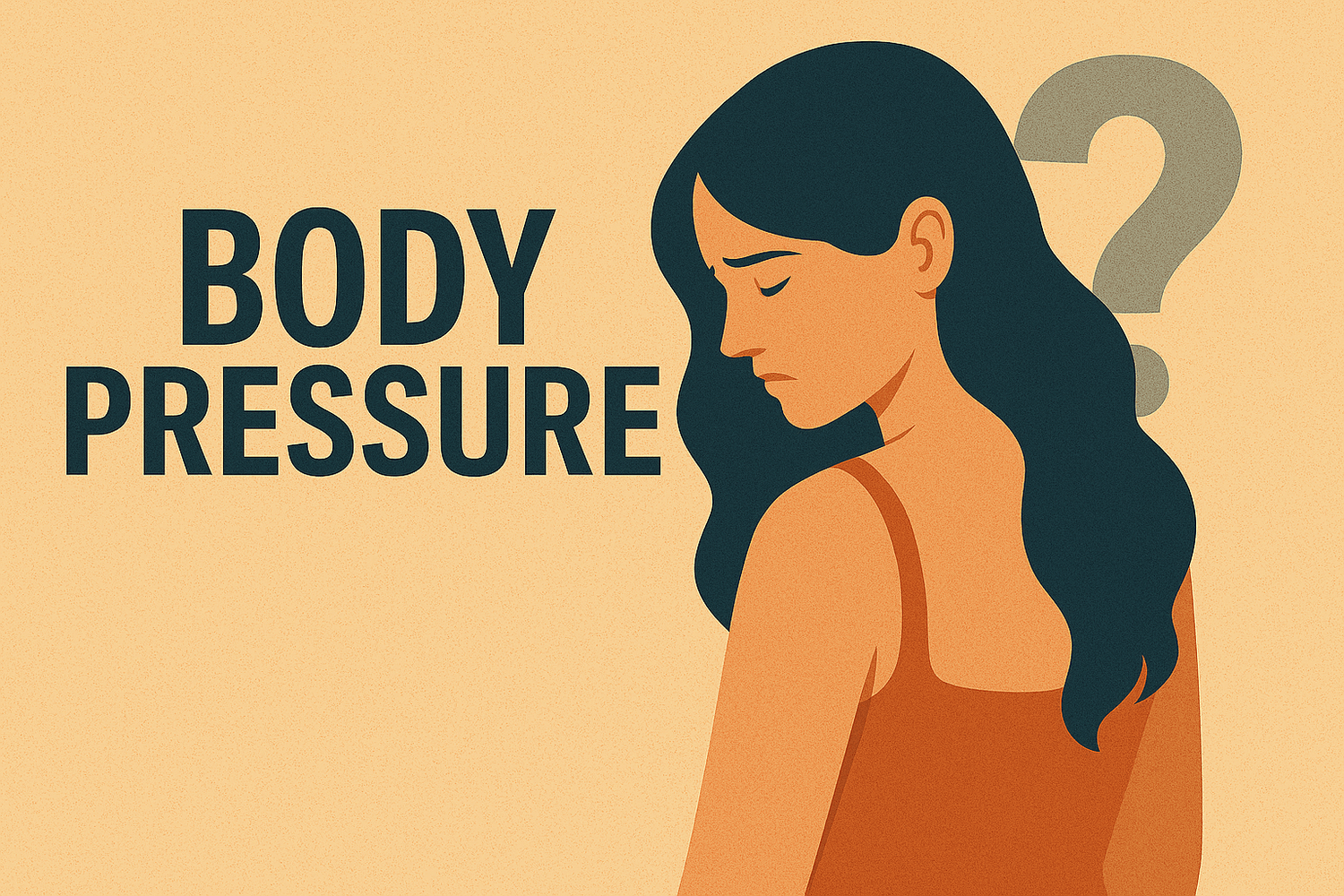
Body pressure did not “cause” a death based on available verified reporting. But it can shape the ecosystem a creator lives in. It can raise incentives for constant escalation or tighten identity into a performance loop. It can also make audiences treat a human life like content. That is the real link this article can defend.
The Broader Risk Context
The broader risk context matters. The U.S. Surgeon General’s advisory warns that there is still not enough evidence to conclude social media is sufficiently safe for young people. It also highlights risks that increase with heavy use and harmful design patterns (U.S. Department of Health and Human Services, February 19, 2025, Social Media and Youth Mental Health). Attention is not neutral. When the body becomes the brand, pressure stays constant. That pressure does not explain a death, but it shapes the space in which lives and identities unfold.
Lessons for Creators and Digital Workers
The attention economy rewards visibility, not sustainability. Long term survival depends on reducing reliance on constant exposure and building income systems that hold under pressure, which is why creators who anchor themselves in skill based work gain stability even when platforms fluctuate (The Money Hacker, November 14, 2025, Must Know 12 High Demand Freelancing Gigs in 2025). You can also remember the following:
Prioritize sustainable income over viral spikes. Attention fades. Stable revenue compounds.
Avoid treating visibility as your only asset. Algorithms shift without notice.
Build income beyond attention. Products, services and skills lower platform risk by turning short term visibility into repeatable revenue systems, as shown in how trending ideas can be packaged into fast monetization instead of one time spikes (Money Hacker, November 30, 2025, Trending Nano Banana Can Help You Pocket $2K).
Create repeatable offers. Predictability beats unpredictable virality.
Set firm boundaries. Decide in advance what you will not trade for reach.
Treat mental health as a business asset. Burnout destroys output faster than low traffic.
Choose consistency over shock. Steady systems support longevity and creativity.
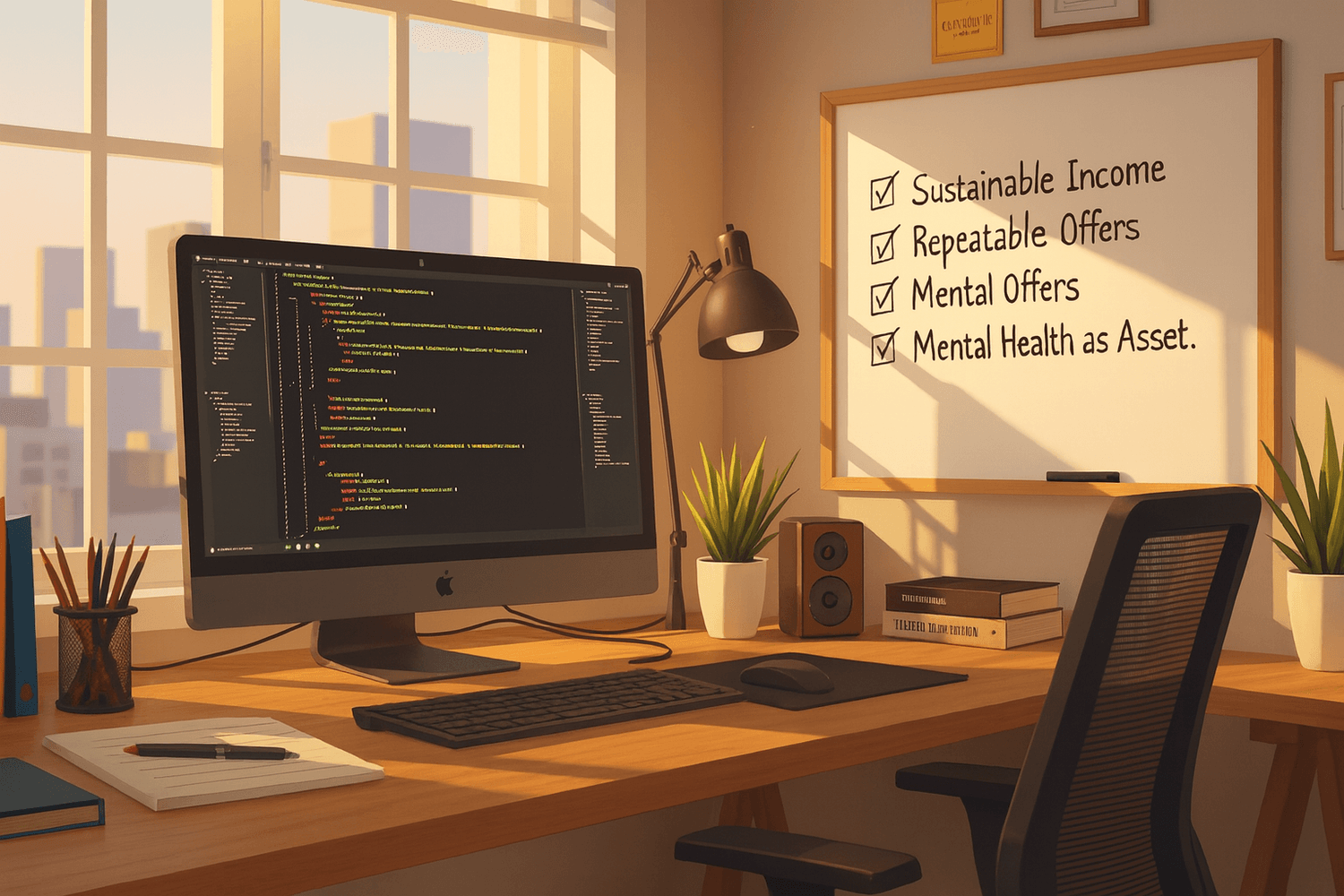
Control creates freedom. When income no longer depends on escalation, creators stop serving the system. They start shaping it. This shift is visible in creators who turn early platform success into durable business outcomes. They focus on ownership and repeatable value. That brings the real success in their digital world. (The Money Hacker, November 15, 2025, Teen Turned TikTok into Bestseller Machine).
If you want to make maximum amount of money as a digital creator keeping yourself safe, join $100K Money Hackers . You need not to over try for anything as you will get all your required tools here. You can also access The Quick $750 Hack if you want to make money very quickly. It is normally of $49 Value. But for readers of The Money Hacker Blog, the discount is 100%!
Frequently Asked Questions (FAQ)
Platforms reward nonstop presence. Breaks reduce reach fast. Income pressure turns rest into risk. Sustainable systems reduce this strain.
Algorithms favor spikes over consistency. Income becomes unpredictable. Skill based offers create steadier earning cycles.
High emotion keeps attention longer. Calm content fades faster. Systems reward engagement signals over creator well being.
Identity tied to performance limits flexibility. Change feels costly. Products and services separate income from persona.
Repeatable offers convert attention into assets. Email lists help. Paid services outlast trends.
Clear posting limits matter. Offline recovery restores output. Control strengthens creative longevity.
Conclusion
The attention economy rewards what keeps people watching, not what keeps creators safe. It pushes individuals to escalate until something breaks and then amplifies the aftermath. Understanding this system is essential for anyone earning money online. Real success comes from control and sustainability, not constant exposure. Digital income should support life, not demand it.


The Money Hacker