
How Zuckerberg Built Facebook into a Global Business Engine
Facebook did not scale into a global business engine through luck or hype. The growth came from disciplined product thinking, sharp distribution logic and a monetization system built after habits formed. Mark Zuckerberg focused on creating behavior loops that could expand across borders and cultures. Once attention stayed consistent, revenue followed naturally. This article breaks down how Facebook evolved from a student network into one of the most powerful economic systems on the internet.
Early Network Effect
Facebook started as a student directory with a clean purpose. It connected real people inside a real network first. That early focus mattered because trust and identity are oxygen for social products. Growth hit fast because the product was instantly useful inside a closed community (History, October 24, 2019, Facebook launches).
Early traction also built a dangerous advantage. Every new member increased value for everyone else. That is the network effect in plain language. Once that loop is real, competitors need more than features. They need a new social graph.
Feed Driven Attention
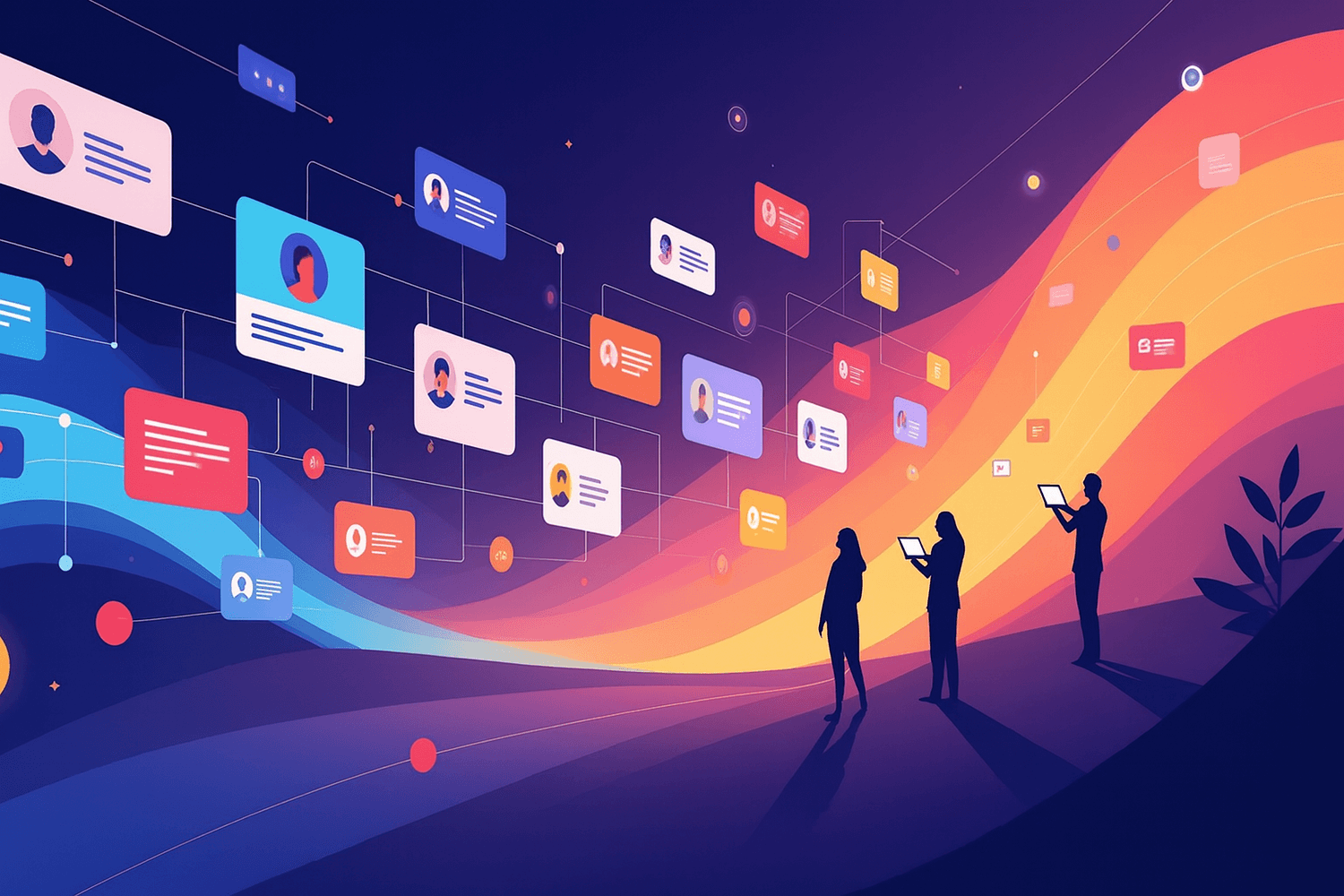
The introduction of News Feed reshaped usage behavior. Static profiles faded. Dynamic content took control. Users began checking updates multiple times per day. Engagement became quantifiable. Signals became clear. Time spent increased steadily. This design choice transformed Facebook into an attention engine rather than a directory (Encyclopaedia Britannica, Accessed 2025, Facebook Overview History Controversies and Facts).
News Feed also redefined how attention flows online. Instead of visiting pages intentionally, people received content automatically. This reduced effort. It increased exposure. Information reached users without active search. As a result, Facebook became a default screen between daily moments. Scrolling replaced visiting. Discovery replaced navigation. That shift strengthened distribution power across the platform.
Scale Before Revenue
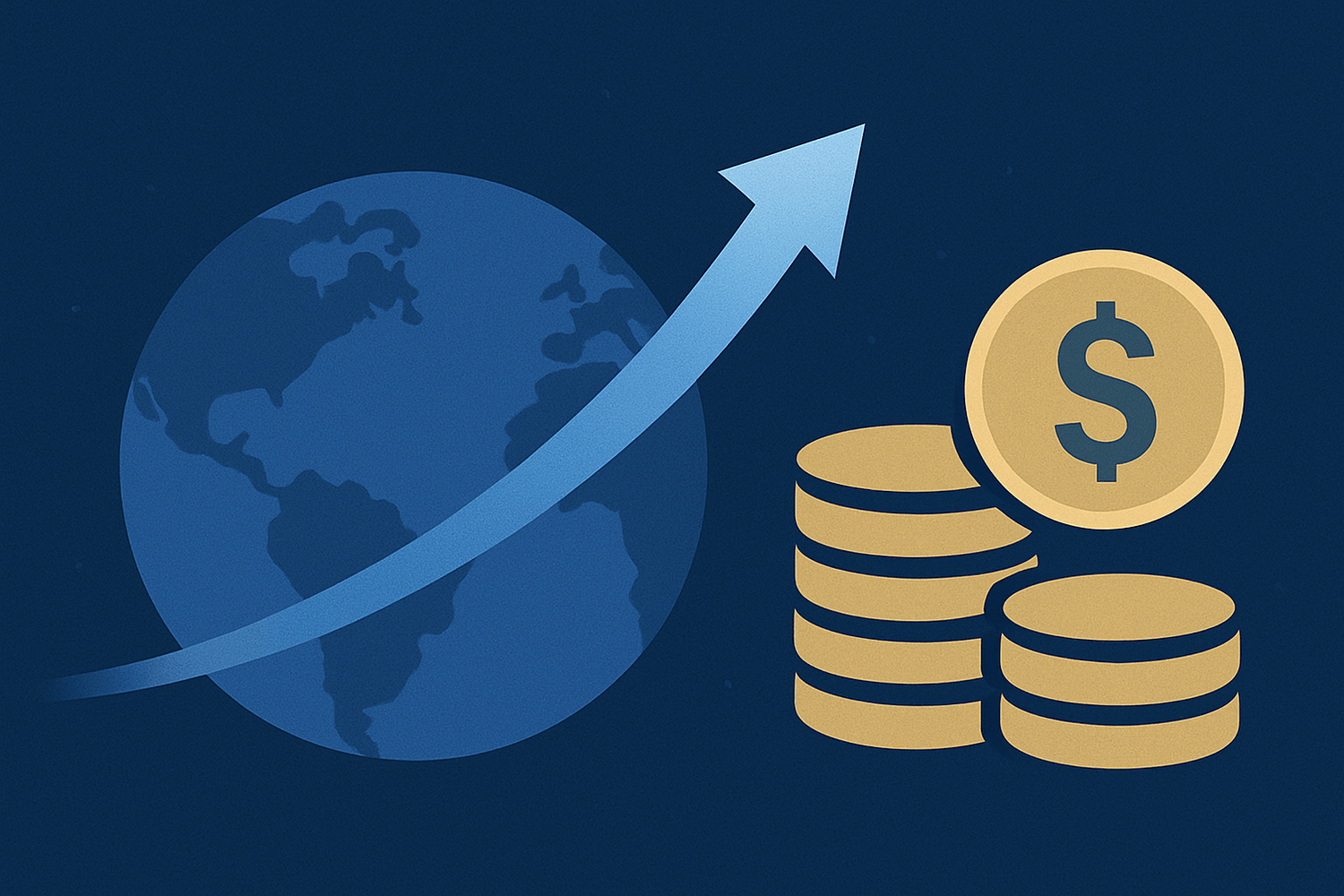
Monetization arrived after habit locked in. Facebook expanded globally before pushing aggressive advertising. This strategy allowed the company to collect behavioral insight at massive scale. By 2024, Meta reported total revenue of 164.5 billion dollars, driven primarily by advertising across its platforms. This confirms that engagement powered predictable income (Meta Platforms Inc, January 29, 2025, Meta Reports Fourth Quarter and Full Year 2024 Results).
This approach reshaped how digital companies think about timing. Facebook treated revenue as a consequence, not a starting goal. First came user growth. Then usage depth and then behavioral clarity. Only after those layers stabilized did monetization scale. That patience created leverage competitors could not match. When ads arrived, they felt native rather than disruptive.
Key facts behind this strategy:
• Global expansion happened before heavy ad density
• User behavior patterns formed prior to pricing pressure
• Data quality improved with long term usage
• Advertisers entered after attention proved reliable
• Revenue scaled without damaging engagement
Advertising Engine
Facebook advertising succeeded because it sold outcomes rather than exposure. Targeting relied on interests, actions and interaction patterns. Measurement tools provided clarity. According to Meta’s annual filing, advertising represents nearly all company revenue. This highlights how data driven delivery fuels the business core (U.S. Securities and Exchange Commission, February 14, 2025, Meta Platforms Inc Form 10 K for the Fiscal Year Ended December 31 2024).
What made this system powerful was control. Advertisers were no longer guessing where money went. Campaign goals could be defined clearly. Delivery adapted automatically based on real responses. This outcome focused structure explains why spending scaled across both small businesses and global brands. Facebook did not sell space. It sold probability.
This performance logic also shaped platform policy. Meta has recently introduced non discrimination rules that limit sensitive targeting categories while preserving optimization quality. The shift has not weaken the engine. It has strengthened trust more. Advertisers still reach relevant audiences through behavior and intent rather than exclusion based signals (The Money Hacker, October 27, 2025, How Meta Non Discrimination Policy Impacts Advertisers).
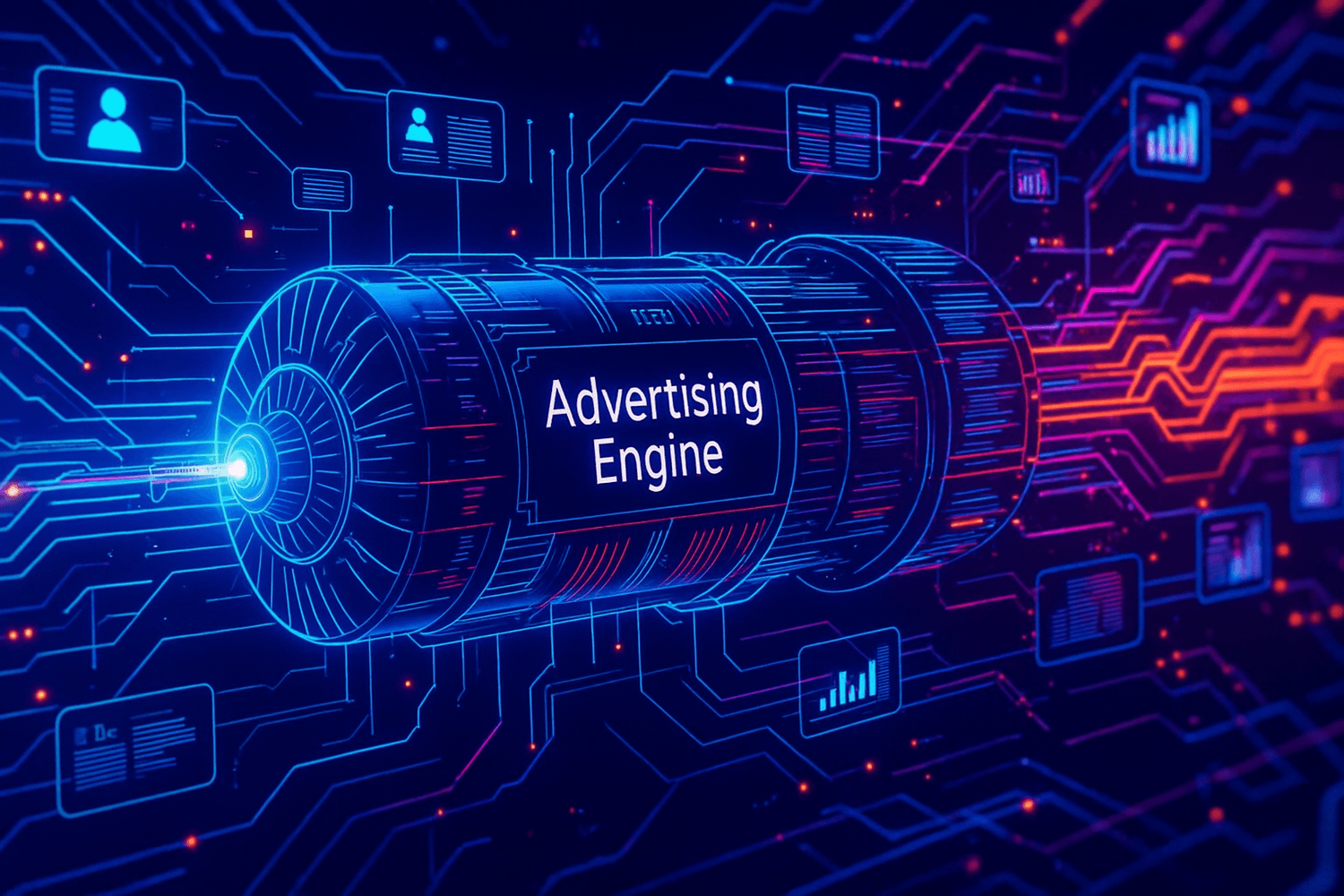
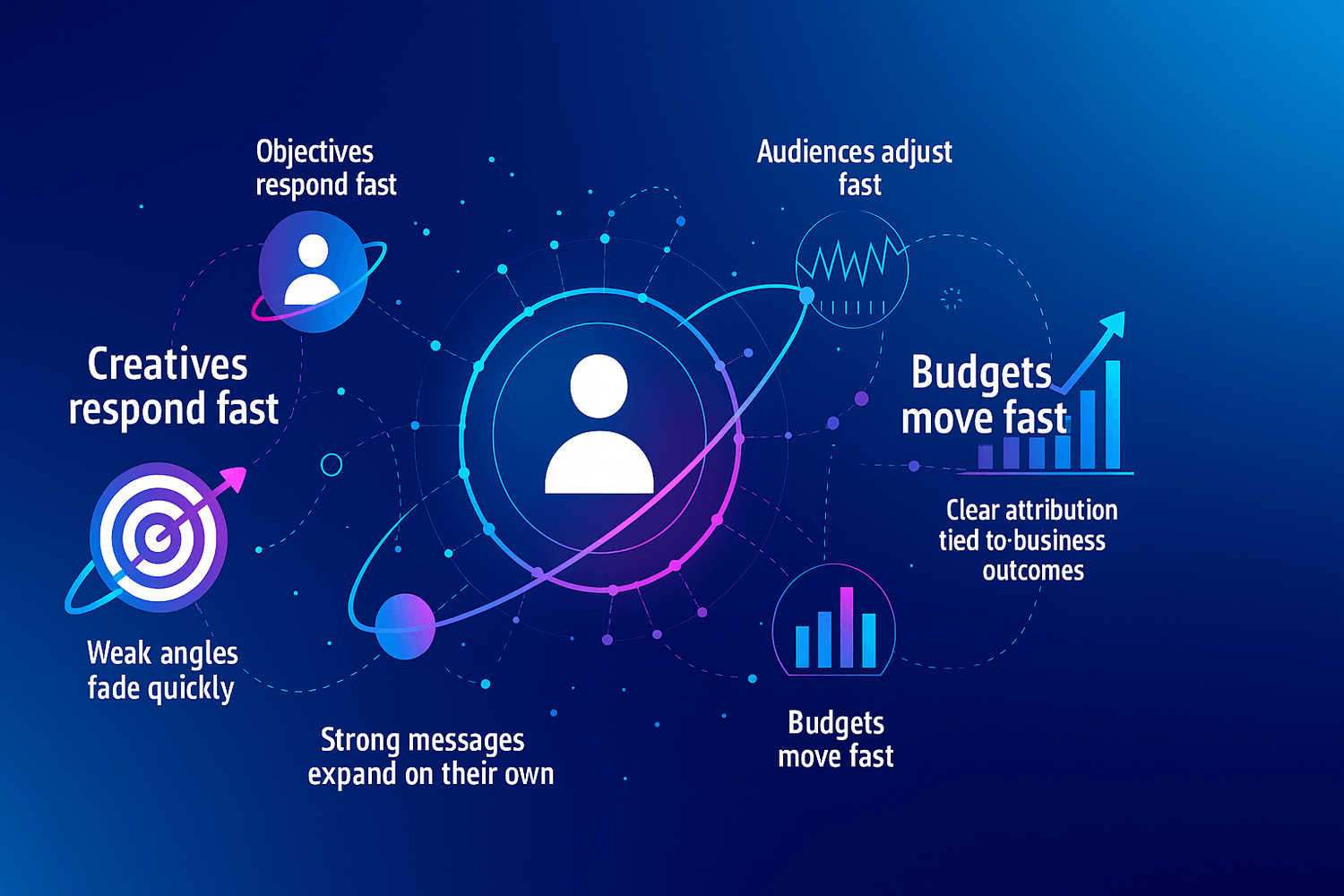
Another reason the advertising engine scaled is feedback speed. Creatives, audiences and budgets respond in near real time. Weak angles fade fast. Strong messages expand automatically. This creates a learning loop where performance improves with usage. That loop is the core reason Facebook monetization feels predictable rather than experimental (The Money Hacker, September 28, 2025, Facebook Monetization Secrets Every Freelancer Should Know).
Core mechanics behind the engine:
• Objective based campaign structure
• Behavior informed audience delivery
• Real time optimization through response data
• Clear attribution tied to business outcomes
• Scalable spend without manual micromanagement
This system explains why advertising remains the financial backbone of the platform. As long as results stay measurable, investment continues. Attention converts into action, action converts into revenue and revenue fuels reinvestment. That loop keeps the engine alive.
Strategic Acquisitions
Instagram secured visual culture at the right moment. The acquisition protected relevance during mobile growth. This move prevented disruption while expanding reach. Instagram later became a major revenue contributor and creator hub. The decision shows how early defensive buying can extend dominance (Meta, April 9, 2012, Facebook to Acquire Instagram).
The acquisition also changed how Facebook managed innovation risk. Instead of forcing internal teams to replicate a fast moving creative platform, leadership chose ownership over imitation. Instagram retained its product identity while benefiting from Facebook infrastructure, data systems and ad technology. This balance allowed growth without cultural dilution. It also created a new surface for advertisers and creators without fragmenting the ecosystem. By absorbing emerging behavior early, Facebook stayed central even as user preferences evolved.
Facebook in the Age of AI
AI is shifting Facebook from a platform that displays content into one that understands and generates it. Meta has embedded intelligence across feeds, advertising delivery and creator tools. Ranking and recommendation systems now respond to behavior in real time. Generative features help shape content and interaction. Together, these changes make Facebook more adaptive, more personal and capable of serving billions through smarter feeds and responsive assistant tools. (Meta, December 5, 2025, Bringing More Real Time News and Content to Meta AI)
AI is transforming monetization and creative output. For creators and freelancers, AI has become a secret power to boost income, streamline workflow and unlock new revenue streams. Machine learning models can generate captions, summarize ideas and even prototype content faster than manual efforts ever could. That boosts efficiency and unlocks time for high value work (The Money Hacker, September 30, 2025, AI and Machine Learning Maximize Freelancers’ Online Income),
As Facebook evolves with AI, it is not just automating old tasks. It is rewriting how attention, content and monetization interact. What was once a social graph built on clicks and likes is now a layered system where predictions, personalization and generative intelligence shape every user touch point.
Want to make best use of AI? Then collect PLR products like AI PLR Toolkit + Crazy Bonuses. Here you get 21 different prompts to create 21 types of PLR products using free AI tools like ChatGPT and Deepseek. It will definitely enhance your capacity.
Frequently Asked Questions (FAQ)
Facebook locked identity early and built habit loops. Trust increased engagement. Growth compounded across markets without friction.
Continuous content flow boosted exposure. Discovery replaced manual visits. Reach expanded without extra promotion effort.
Audience depth came first. Insight matured with usage. Income followed once behavior became predictable.
Delivery adapts through response signals. Weak ideas fade quickly. Strong messages scale automatically.
Visual culture stayed inside one ecosystem. Tools shared infrastructure. Reach expanded without audience loss.
Systems personalize distribution instantly. Creation speed improves. Efficiency frees time for higher value work.
Conclusion
Facebook becomes a global business engine through structure rather than chance. Identity builds trust. Feed design creates habit. Scale enables monetization. Strategic acquisitions protect relevance. Zuckerberg focuses on systems that compound over time. That mindset turns a social product into a lasting economic machine. The engine keeps running because the system keeps learning. That is the real product Zuckerberg built.


The Money Hacker