
7 Grey Areas That Kill Social Media Consulting Careers
Social media consulting looks dreamy from the outside. Laptop life looks easy and cute dashboards feel simple until real clients and real pressure show up. Many consultants slide into the messy middle with income dips, needy brands, late invoices and slow growth. These grey areas drain profit and energy without warning. Clean those early and the same skills start to print real money. This article breaks down the seven grey areas that quietly kill consulting careers and shows you how to avoid them.
1. No Clear Niche
When you sell “social media for everyone”, you compete with the entire internet. Your message feels soft and brands treat you like a replaceable vendor.
Consulting Success is very direct about this. Specialization gives you sharper marketing, lets you charge premium fees and positions you as the obvious expert for a narrow group of buyers. (Consulting Success, October 13, 2025, Why Specialization is Essential for Consultants (and How to Do It Right)

How to Clean This Up
1. Pick a clear focus.
Platform plus market or outcome
Example vibes
TikTok growth for skincare brands
Retention content for SaaS in launch stage
2. Rewrite your core line.
“I run social media” turns into “I help local clinics turn followers into booked appointments on Instagram”
3. Show proof for that one lane.
One case study
One simple lead magnet
One hero service page
The more focused you look, the more serious money you attract. To equip yourself with update information about niche, read 5 Popular Niches That Might Die by 2025.
2. Soft Offers with No Money Story
A lot of consultants sell “content calendars” or “engagement” as if that is the final product. Brands do not wake up wanting a calendar. They wake up wanting more sales, more leads, more sign ups, less churn.
When your offer stops at activity, decision makers see cost, not profit. They move slowly. They bargain hard.

Turn the Offer into a Money Vehicle
Attach each service to a business goal
“Launch package for product drops”
“Community engine for repeat buyers”
Make the promise specific but honest
“Content system that doubles weekly qualified leads in three months for one channel”
Report in business language
Talk about sales calls, trials started, email signups
Likes become proof, not the headline
Once the offer carries a money story, fees feel like an investment, not an expense.
3. Chaotic Pricing and Discounts
Many consultants guess their price and then cut it the moment a brand hesitates. That pattern never ends well.
Sprout Social shares that a basic social media management program for brands often lands between five hundred and five thousand dollars per month, with full programs climbing far higher once content, ads and tools are included. (Sprout Social, September 10, 2025, Social media management pricing for businesses in 2025)
Many brands already spend at that level. If your rate looks like a random number on a random invoice, you feel tiny beside that budget.

Practical Pricing Moves
1. Build a simple ladder
Strategy intensive
Core monthly retainer
Growth add ons like ads or UGC direction
2. Tie every price to clear deliverables
Calls, reports, content volume, channels, response time
3. Only discount with a rule
Longer term
Fewer platforms
Clear trade off
4. Review your rates at least once a year
Costs rise
Skill grows
You adjust with data, not emotion
Confident, structured pricing is a signal. Serious brands notice that before they even see your portfolio.
4. Scope Creep and Blurry Boundaries
This is the silent killer. One client “quickly” asks for extra stories. Another “just needs” crisis replies at midnight. Soon you are doing two contracts worth of work for half the pay.
Most of the damage comes from missing rules, not evil clients. You did not put the guardrails on paper, so they treat you like an always on team member.

Guardrail Essentials
1. Write a lean scope doc for every deal
What you own
What the brand owns
How many revisions
Which channels
When you are available
2. Set upgrade paths
Extra platform is a clear add on
Weekend support is a clear add on
Short notice launches cost more
When the rules live in writing, you can protect your time without drama.
5. Feast Famine Client Pipeline
Most social media consultants are stuck in a loop. One month they juggle five clients. Next month two contracts end and panic hits.
Twine describes this classic feast famine cycle for freelancers. They explain how a lack of recurring revenue and a weak pipeline creates unstable income and constant stress. (Twine, May 4, 2023, Overcoming the Feast or Famine Cycle: Strategies for Maintaining a Steady Flow of Work)
If you only hunt when things are slow, you stay stuck in survival mode.

Build Stable Demand on Purpose
1. Add recurring elements
Monthly retainers for content and reporting
Support retainers for launches and campaigns
2. Keep a weekly pipeline routine
Pitch a small number of warm leads every week
Share one useful post that speaks to your niche pain
Nurture past buyers with simple check in messages
3. Track simple numbers
Conversations started
Calls booked
Offers sent
Deals closed
A boring, consistent pipeline routine feels less sexy than a viral post but it saves your career.
6. Saying Yes to Every Brand
When you accept every project that lands in your inbox, you become an emotional sponge for other people’s chaos. You may come across late payers, rude founders or broken products. All of that shows up in your inbox and your bank balance.
Bad fit buyers drain your energy so much that there is no focus left for the right ones.
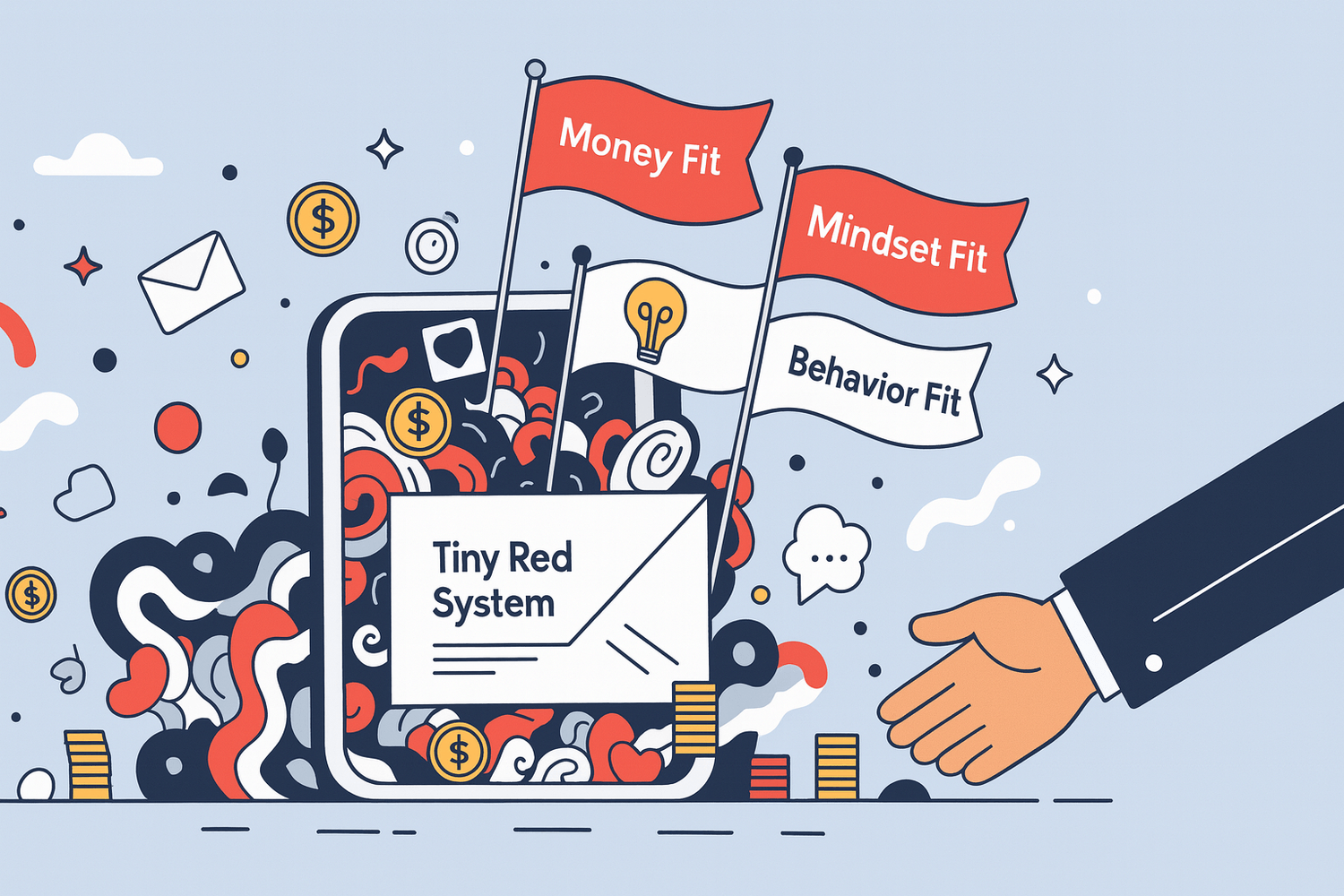
Build a Tiny Red Flag System
Create three quick filters.
1. Money Fit: Can this brand realistically afford serious social media work?
2. Mindset Fit: Do they see social as a growth channel or only as a vanity wall?
3. Behavior Fit: Do they respect time, scope, and expertise during the first calls?
If two filters fail, you step away. You protect your mental space and your brand. To know more about proper selection of brands, read articles like 6 Affiliate Marketing Mistakes Beginners Must Avoid in 2025 and Earn up to $5000 with 3 Best Affiliate Marketing Niches.
7. Risk, Compliance and Reputation Blind Spot
Social media consulting feels casual, but the risk is not small. You touch passwords, data, public posts and sometimes regulated sectors. One slip can damage the brand and your reputation in the same week.
Sprout Social highlights that social media risk includes security breaches, reputation hits, privacy issues and even legal trouble in regulated fields. They also stress that lack of a risk plan can hurt a brand’s stability and bottom line. (Sprout Social, October 31, 2025, Social media risk management: Expert tips to lower risk)
Basic Risk Moves for Consultants
1. Use clear contracts
Ownership
What the brand owns
Liability limits
2. Set account rules
Password managers
Role based access
Clean offboarding when a project ends
3. Protect your own name
You do not post without approval in sensitive sectors
You document client requests that feel risky
The moment you treat risk like part of the service, you move out of “random freelancer” territory and into trusted partner territory.

Frequently Asked Questions (FAQ)
A niche that solves one clear business problem grows fastest. Pick a space where you can show quick proof. Build content and case studies for that single lane.
Attach every service to a business goal. Show how your work supports sign ups, sales or retention. Brands value you more when they feel this link.
Create a simple pricing tier. Tie each tier to clear deliverables. Review your rate once a year and update it with your skill level and results.
Write a short scope guide at the start. Define what you handle and what counts as extra. Add upgrade paths for more work so clients see the flow.
Keep a weekly routine. Start a few conversations. Share niche content. Follow up with past clients. Small moves each week build a steady pipeline.
Use clear approval rules for all sensitive posts. Store passwords in a secure tool. Document risky requests. This keeps your work safe and trusted.
Conclusion
Social media consulting does not fail because the craft is weak. It fails because the business side stays fuzzy. Niche, offers, pricing, scope, pipeline, client fit and risk all live in that grey zone. When you bring clear rules and simple systems into each area, your work feels lighter and your income feels steadier. The platforms will keep changing, but a sharp consulting engine turns that chaos into opportunity instead of burnout.
If you keen to learn more about Social media consulting and want to earn money through it, join Skool community. Here you will get everything you need as a freelancer to earn maximum money online from your website. If you need money as quickly as possible, then access this free guide I have created for you. It is usually $49. But for the readers of Money Hacker Blog, it is completely free.


The Money Hacker