
Losing Jobs in Global Slowdown, Time for Digital Future
The world economy is slowing and the impact is spreading fast. The International Monetary Fund (IMF) warns of weaker global growth while major companies such as Amazon are cutting thousands of jobs. For many workers, especially in developing nations, the idea of lifelong job security is disappearing. Yet this is also a time of opportunity. As the old model of employment weakens, digital work, freelancing and self dependency are becoming the new foundations of economic freedom. Those who adapt now will lead the next wave of progress.
IMF Projection
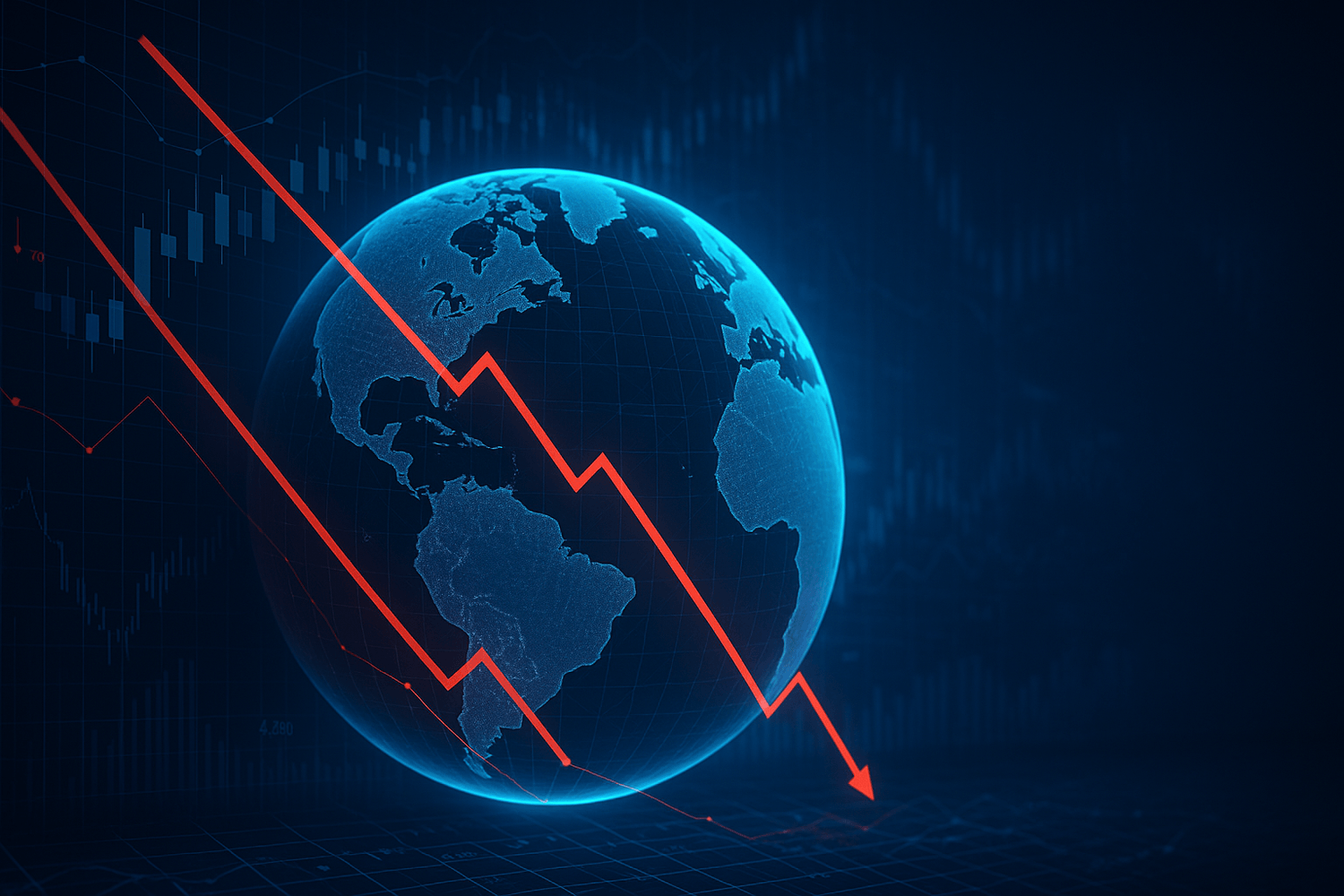
The IMF expects global growth to slow from 3.3 percent in 2024 to 3.2 percent in 2025 and then to 3.1 percent in 2026 (IMF, October 14, 2025, World Economic Outlook). This slowdown is affecting both advanced and developing economies. High inflation, weak trade and reduced investment are holding back production. The IMF notes that stability will depend on innovation and technology adoption. The numbers make one truth clear. Economic resilience now depends on how well people and nations move toward digital transformation and new skill development.
Amazon Job Cuts
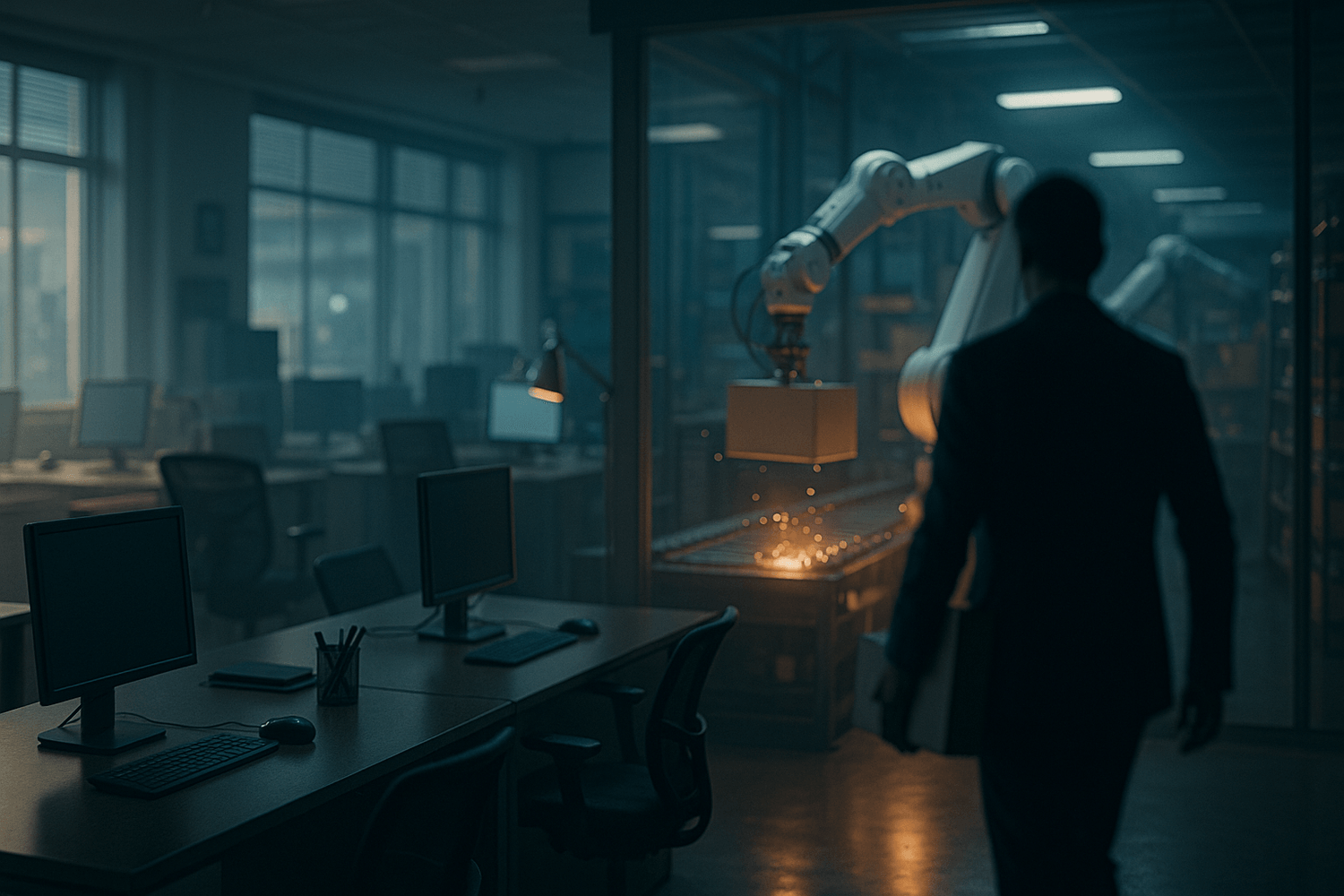
Amazon announced 14,000 corporate job cuts as it shifts focus toward artificial intelligence and automation (AP News, October 28, 2025, Amazon cuts 14,000 corporate jobs). The company says these moves will improve long term efficiency. Similar actions are visible in other global corporations. The pattern shows that cost cutting and digital restructuring are replacing human labor in many sectors. This change highlights a clear reality. Job security today depends less on the size of a company and more on personal adaptability and continuous learning.
AI Transformation and Skill Shift
AI Transformation and Skill Shift
Artificial intelligence is transforming how work is done across industries. Automation now performs tasks once handled by humans. The IMF observes that this shift is changing job patterns in both developed and emerging economies (IMF Blog, October 2025, Global Economy in Flux). Workers who gain digital skills and understand how to use AI tools are staying ahead. Many professionals are moving into creative, technical and analytical roles that require human insight. This is creating a new form of job security built on knowledge and flexibility.
AI has become so efficient that even in the present time of job scarcity, AI can assist you to get remote jobs anywhere in the world. You can use Remote Job Finder to get a suitable job within no time.

Developing Economies Under Pressure
Developing countries are facing a sharp slowdown in growth and job creation. The World Bank cautions that nearly two-thirds of these economies will see growth of around 3.8 % in 2025, down from 4.2 % in 2024. (FT, June 10 2025, Trade wars to weigh on two-thirds of developing countries, World Bank warns). Trade barriers, weak investment, and rising inflation are squeezing emerging job markets. For many workers in these regions, traditional employment is less secure. That makes digital work and self learning key strategies for weathering the change and stepping into global income flows.

Global Inflation and Real Income
Inflation remains high even as growth slows and job opportunities shrink. According to the Organisation for Economic Co operation and Development (OECD), headline inflation across member countries is projected at 4.2 percent in 2025, while average annual real wage growth stands at 2.5 percent (OECD, July 2025, Employment Outlook 2025). This means households are losing purchasing power as prices rise faster than wages. In developing economies, the gap is even wider. This trend is making traditional employment less secure and increasing the need for digital income sources that can adjust faster than local job markets.

Rise of Digital Work Opportunities
The digital economy is on fast track. Freelancing platforms now connect professionals with clients around the world. One study shows workers collectively earned $1.5 trillion last year through freelance work (Forbes, April 27 2025, Freelancing Surge: Workers Earn $1.5 Trillion in Shift).
Businesses are tapping freelancers for specialized skills while location becomes less of a barrier. This means people with digital skills such as design, marketing, coding or content creation can build income streams without relying on traditional employers. Digital skills, freelancing and self employment are shaping a new workplace reality for many.

Self Dependency for a Stable Future
Self dependency is becoming a practical solution to an unstable global market. Workers who build income from multiple digital streams are protecting themselves from layoffs and inflation. Many are creating small online businesses, digital products or freelance portfolios that support consistent earnings. In developing countries, this movement is turning individual skill into collective progress. The ability to earn through digital entrepreneurship gives people control over their future. The slowdown has revealed a truth that cannot be ignored. Stability now begins with self reliance.
You can read these three articles to know how quickly people can be self dependent through digital work opportunity. These articles have been written in the perspective of China, Pakistan and USA:

Frequently Asked Questions (FAQ)
Keep your income flexible. Work with multiple clients and update your digital skills often. Focus on learning tools that help you deliver faster and better results online.
Start with creative and high demand skills like design, content writing, marketing or coding. Add AI and data skills as they grow fast across industries. Always keep learning to stay relevant.
It lets you create work instead of waiting for it. Build digital products, offer services online or join remote projects. Self dependency gives freedom from company layoffs or market shocks.
Firms are using automation and AI to reduce costs and increase profit. As routine work moves to machines, people with creative and digital skills are becoming more valuable.
Create strong online profiles on trusted platforms. Show samples, good reviews and consistent delivery. Communicate clearly and price fairly. Quality work builds repeat business and steady growth.
Invest time in learning new tools and online systems. Build a network of global clients and collaborators. Stay updated with technology trends and keep your personal brand active online.
Conclusion
The global slowdown is changing the future of work, but it is also opening new possibilities. As corporations reduce staff and technology reshapes every industry, digital skills and self dependency are proving to be the strongest answers. Freelancers, creators and entrepreneurs are building independent careers that survive economic shocks. The next era of growth will belong to those who use knowledge to stay relevant and innovation to stay free. The world may be slowing, but opportunity is moving online faster than ever.


The Money Hacker