
3 Key Elements to Make Your Writing Stand Out and Powerful
Most writers do not fail because they lack ideas or skill. They fail because their writing does not connect fast enough. Attention today is fragile. Readers decide in seconds whether a piece is worth their time. To make your writing stand out, you need more than motivation or style. You need structure that matches how people search, scan and act. This guide breaks down 3 writing elements that help content stand out, hold attention and drive action online.
One Main Problem
Before a reader absorbs your advice, they decide one thing first. Does this article understand me? That judgment happens instantly. When the opening problem feels unclear, the article feels easy to skip. When the problem feels specific and familiar, reading becomes almost automatic.
Problems Beat Topics
Strong writing never starts with a topic. It starts with a problem. Topics feel broad and distant. Problems feel urgent and personal. Readers do not search for “writing.” They search for relief from frustration like low traffic, no readers or weak engagement.
Pain Pulls Clicks
When a problem mirrors what the reader is already thinking, attention locks in. Money, time, confidence, skills and growth are high response pain zones. Writing that names one clear pain earns the click because it feels understood.

Focus Builds Trust
Writers who narrow their focus often see better results than those who try to cover everything. Clear positioning improves credibility and engagement, especially in competitive spaces (Upwork, December 22, 2025, 17 Freelance Writing Niches and How To Choose Yours). Money Hacker articles that perform well usually open with a reader problem and stay locked on it from start to finish (The Money Hacker, December 29, 2025, 4 Effective Strategies for New Writers to Increase Readers).
A Quick Test for Problem Strength
Can the reader recognize their struggle in seconds
Does the problem point to a real outcome like growth or income
Can the pain be stated in one clear sentence
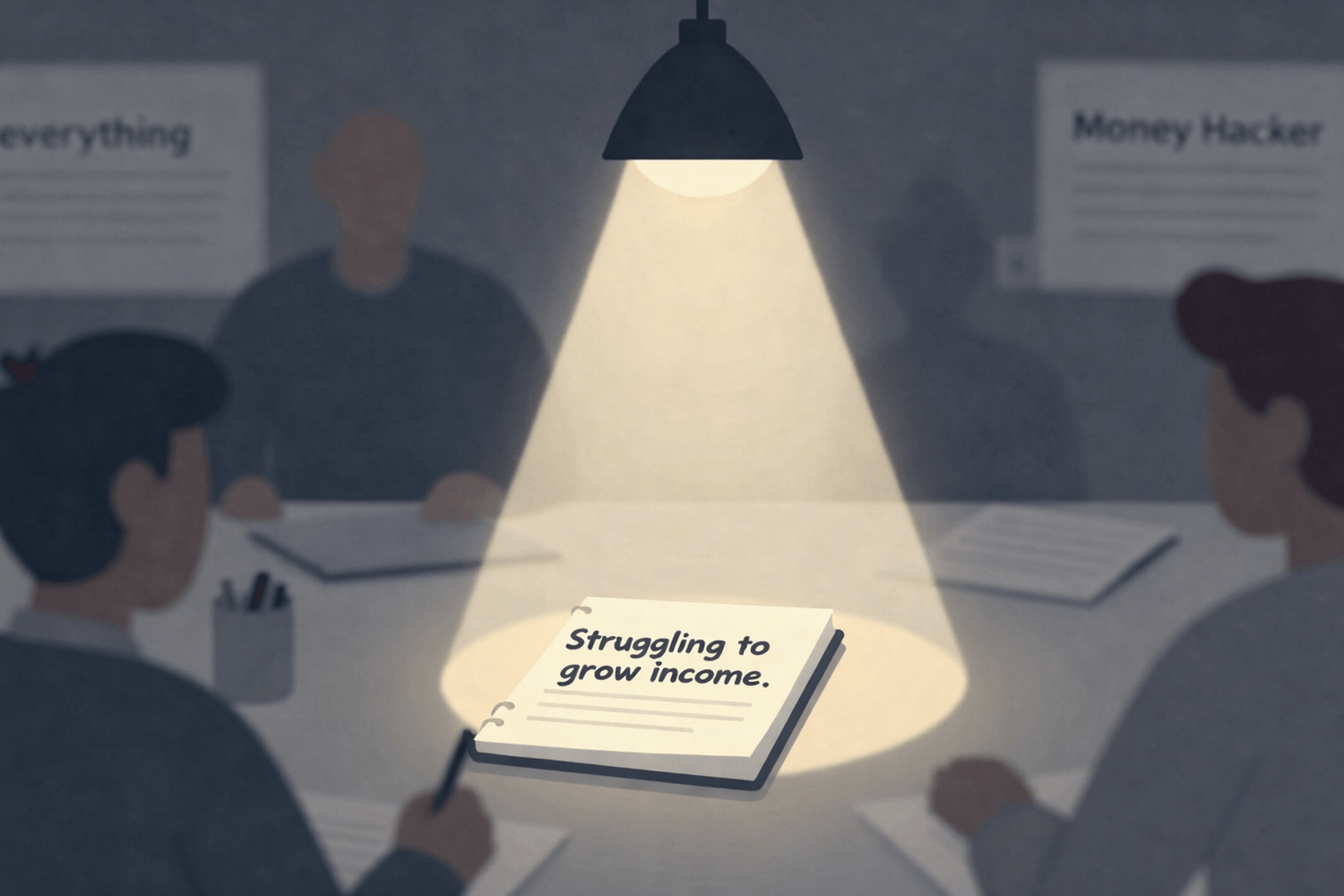
When a problem passes this test, the article earns attention before it earns trust. If the opening problem does not instantly feel familiar, the reader drifts away without a second thought. But when the problem sounds like something they have already struggled with, attention locks in naturally. That single moment decides whether your writing gets ignored or explored further.
One Good Solution
Once the problem is clear, the reader looks for relief. This is where most writing loses momentum. Not because the idea is bad, but because the solution feels heavy. Readers want guidance they can apply fast, not brilliance they have to decode.
Clarity Wins
Once the problem is clear, the solution must feel simple. Readers are not looking for brilliance. They are looking for guidance they can use immediately.

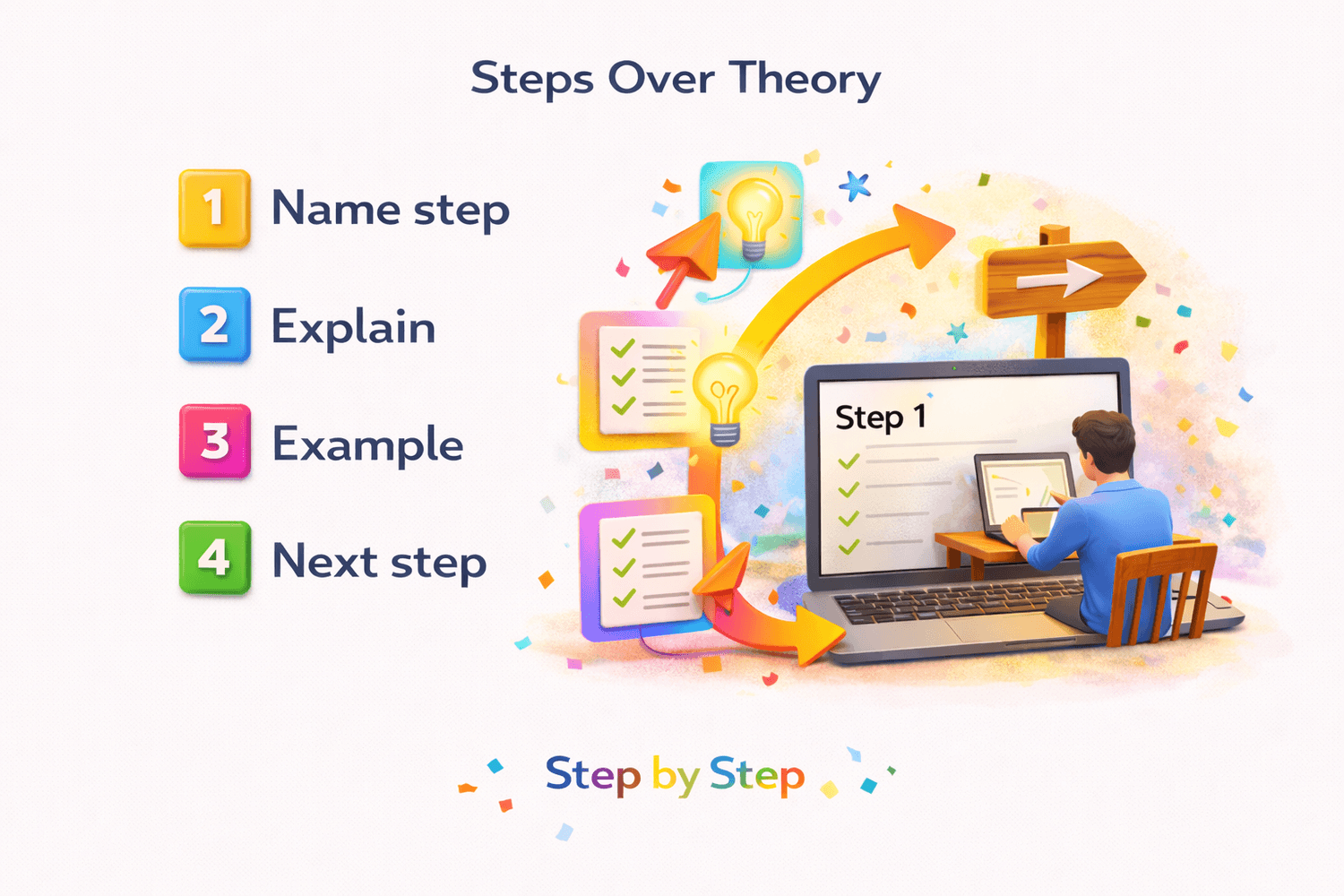
Steps Over Theory
A real solution shows direction. It answers one question clearly, then leads to the next. Avoid stacking ideas. Move the reader forward with intention.
Write solutions like this:
Name the step.
Explain it in plain language.
Show a tiny example.
Tell the reader what to do next.
This approach keeps the reader grounded and reduces mental friction. Progress feels visible, which keeps attention intact.
Structure Sells
Most readers scan before they commit. Clear sections and short explanations help them decide fast if your content is worth their time. Research shows that users scan web pages instead of reading word by word, especially when content feels dense or unstructured (Nielsen Norman Group, September 30, 1997, How Users Read on the Web).
Writing frameworks also help creators stay focused and explain ideas without confusion (Copyblogger, March 30, 2023, The 5-Step Writing Process That Solves 3 Painful Problems). Money Hacker content applies this by turning complex goals into simple, repeatable actions readers can actually follow (The Money Hacker, January 5, 2026, How New Writers Can Earn $110 a Day with Freelance Writing).
When a solution feels easy to follow, trust grows naturally. Readers stay not because they are impressed, but because they feel guided and confident about what comes next.

One Clear Call to Action
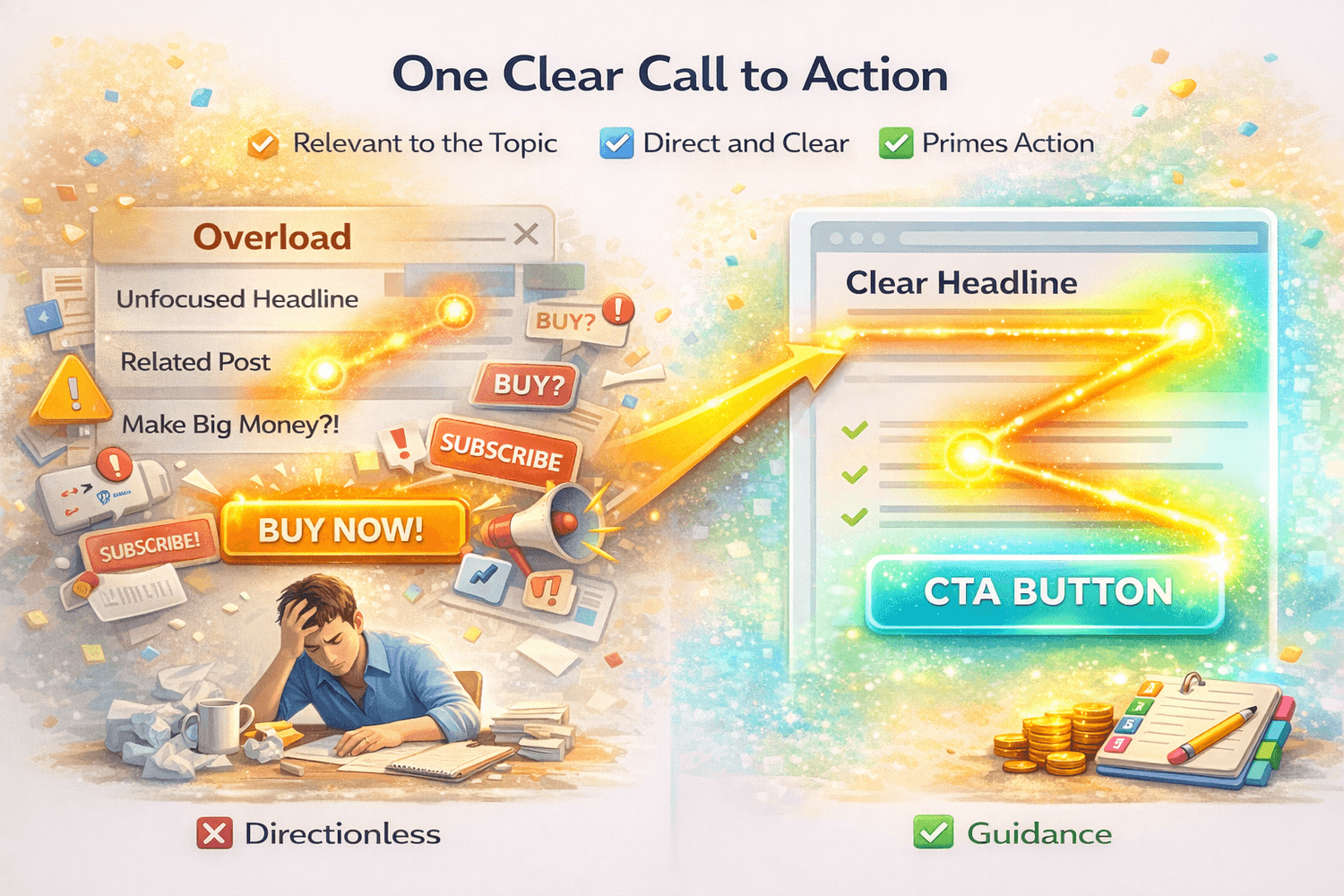
This is where many writers slip. Some overload their articles with calls to action. Others avoid them completely. Both mistakes break momentum. A good call to action does not interrupt value, rather completes it.
Relevant to the Topic
A call to action must match what the reader just learned. Random promotion feels forced and damages trust. Readers do not like affiliates disguised as writers. They also do not like vague direction. A clear and direct CTA respects the reader’s time and intelligence.
Direction Matters
Value without direction ends the journey too early. A call to action tells the reader what to do with the insight they just gained. It turns passive reading into movement and keeps the relationship going.
One Ask Only
Multiple CTAs create hesitation. One focused ask keeps momentum strong. The best CTAs feel like the next natural step, not a detour. When it matches the article’s promise, it feels helpful instead of pushy.
Examples that fit this topic:
Comment the one problem you are writing about
Subscribe for one weekly writing blueprint
Read the next post that shows how to get steady traffic

Honesty Converts
Readers respond to transparency. Clear intent builds trust. Hidden motives destroy it. A simple, honest CTA performs better than clever manipulation. Search driven attention is often a logical next step for writers because it compounds over time instead of fading fast (The Money Hacker, August 29, 2025, The Best Free Traffic Source is Not Social Media Content!).
Don’t be shy though. I get it, you don’t want to impose. I was exactly like that once. But you have to realize that your audience is happy to help you if you help them. Adding a call-to-action is totally fine as long as you are transparent and honest about it. After all, transparency is the one thing that everyone loves, not shady acts.

For mastering copywriting and earn maximum money online, you can use tool like 620 ChatGPT Prompts for Copywriting. Using this bot, you will be able to create sales pages, emails & ads in minutes.
If you want to create and sell ChatGPT created products, then use AI PLR Toolkit + Crazy Bonuses. Here you will get 21 different prompts to create 21 types of PLR products using free AI tools like ChatGPT and Deepseek.
If you want to earn money quickly by any means in online domain, access The Quick $750 Hack. It is completely free for you. Remember, your financial freedom is our commitment.
Frequently Asked Questions (FAQ)
Specific pain creates instant relevance. Familiar struggle pulls attention faster than broad themes.
Structure supports scan behavior on screens. Short sections reduce effort while boosting completion.
Clear steps remove friction. Small actions feel manageable. Progress becomes visible quickly.
One direction avoids hesitation. Focus stays intact. Momentum continues naturally.
Plain language lowers resistance. Honest intent feels safe. Confidence grows through consistency.
Reliable problem solving builds habit. Each post feels purposeful rather than noisy.
Conclusion
Writing that gets attention is not accidental. One clear problem earns the click, usable solution earns trust and focused call to action earns momentum. When these writing elements work together, content becomes easier to read, trust and act on. Prioritize clarity over cleverness and usefulness over noise. This writing framework helps creators build powerful writing that earns attention and trust over time.


The Money Hacker