
Post Christmas Sale Secrets Smart Shoppers Use to Save Big
December ends quietly while prices crash loudly inside stores, apps. Some people scroll fast chasing shiny discounts then regret hits later. Others pause think plan win calmly. Post Christmas sale moments reward patience against panic plus logic versus hype. This article breaks down exactly how smart shoppers turn leftover deals into lasting savings.
Build A 48 Hour Attack Plan
Post Christmas sales move fast, so the first 48 hours matter most. Start with a tight wish list focused on items with clear use through January, February and later months. Ignore random grabs. Set a firm spending ceiling before opening any store. Divide that limit into essentials, smart upgrades and one small flex slot. This structure keeps emotions out while prices drop. For speed and clarity, scan a reliable deal roundup early. It narrows options and shows where real cuts exist across tech, home, fashion and kitchen categories (Business Insider, December 26, 2025, Best After Christmas Sales 2025: Today’s Top Deals).

Strong planning also borrows ideas from marketing strategy. Top performers never act without intent. They define targets, limit distractions and focus on outcomes. The same thinking applies here. The Money Hacker mindset shows how clarity and sequencing outperform raw effort, especially under time pressure (The Money Hacker, August 25, 2025, Secret Sauce of Top Marketers). Avoiding common beginner mistakes matters too. Lack of structure leads to wasted spend, which mirrors how shoppers lose money during big sales (The Money Hacker, December 08, 2025, 7 Marketing Mistakes 99 of Beginners Make).
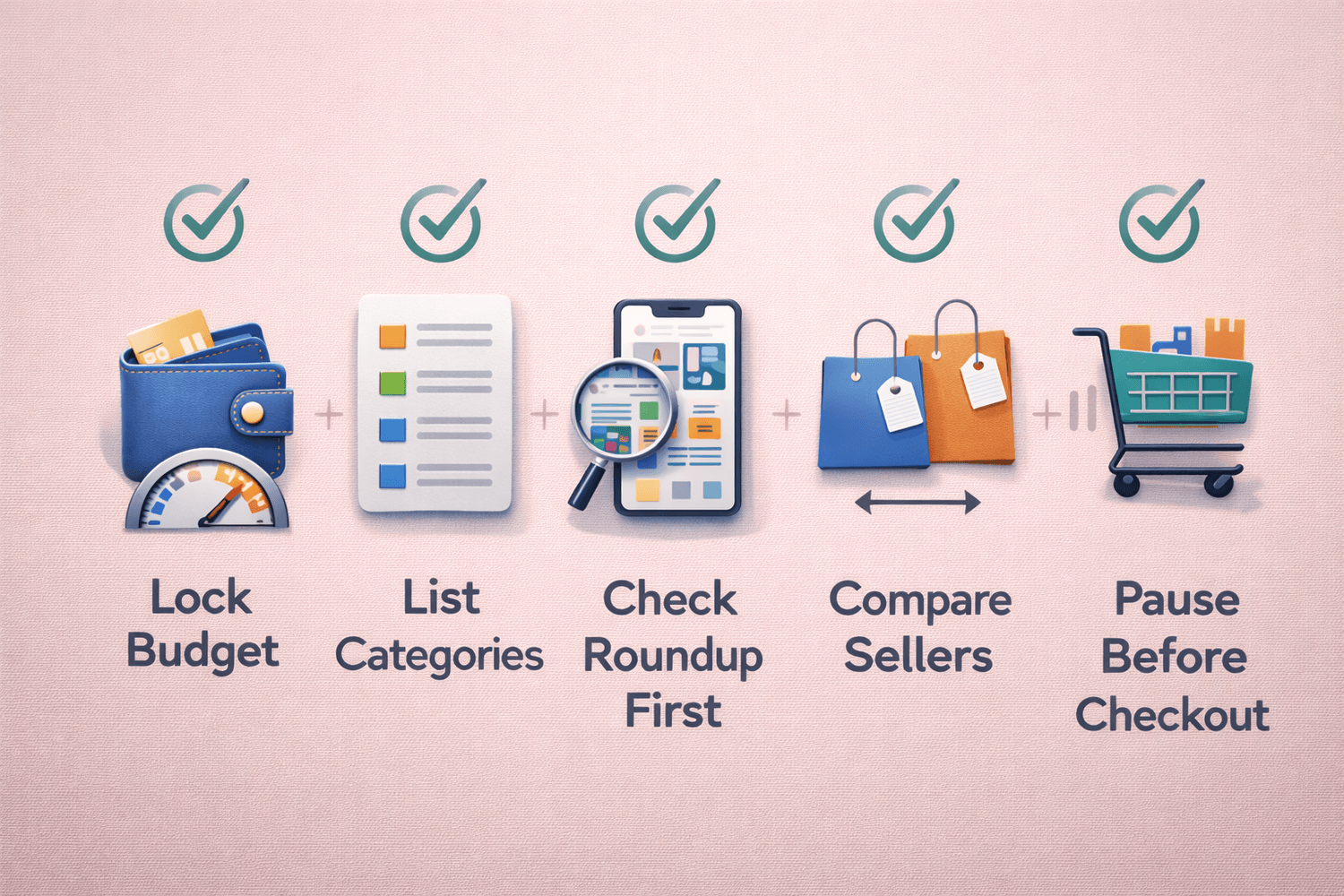
Use this simple execution checklist to stay sharp:
Lock the maximum budget before browsing
Write categories instead of brand names
Check one roundup source first
Compare prices across two sellers
Pause before checkout to review totals
This approach turns 48 hours of chaos into a controlled buying window where every decision has purpose and payoff.
Win Big at Walmart with Practical Picks
Walmart becomes one of the most reliable places to save after Christmas because of scale. When inventory piles up, prices adjust fast. This section shows how to approach Walmart’s sale with intention, so everyday needs turn into long term wins instead of impulse clutter.
a. Focus on Everyday Value First
Walmart’s post Christmas sale works best for items used daily, not flashy upgrades. Small kitchen appliances, basic shoes, family friendly gifts, storage items and entry level electronics deliver value every single day. Sort by category before scrolling products. This keeps attention on usefulness instead of impulse. Always check price history with a tracker extension to avoid fake markdown theater. Many real cuts this year are tied to overstock, not hype. Tom’s Guide confirms strong reductions across Ninja appliances, Lego sets, TVs and popular household brands during Walmart’s after Christmas event (Tom’s Guide, December 26, 2025, Huge Walmart after Christmas sale is live: 25 can’t-miss deals I’d buy now).
These discounts reflect inventory pressure, not short term promotions.

b. Watch Which Categories Drop Hardest
This year, Walmart is not limiting discounts to toys or decor. Clearance movement is visible across practical segments. Kitchen tools, small appliances, basic footwear, kids items and home organization products are seeing sharper cuts than pre Christmas pricing. TVs and entry level electronics are also discounted because newer models are arriving soon. These are functional buys, not seasonal clutter. Acting early secures better selection, while waiting slightly longer can unlock deeper cuts on leftovers.
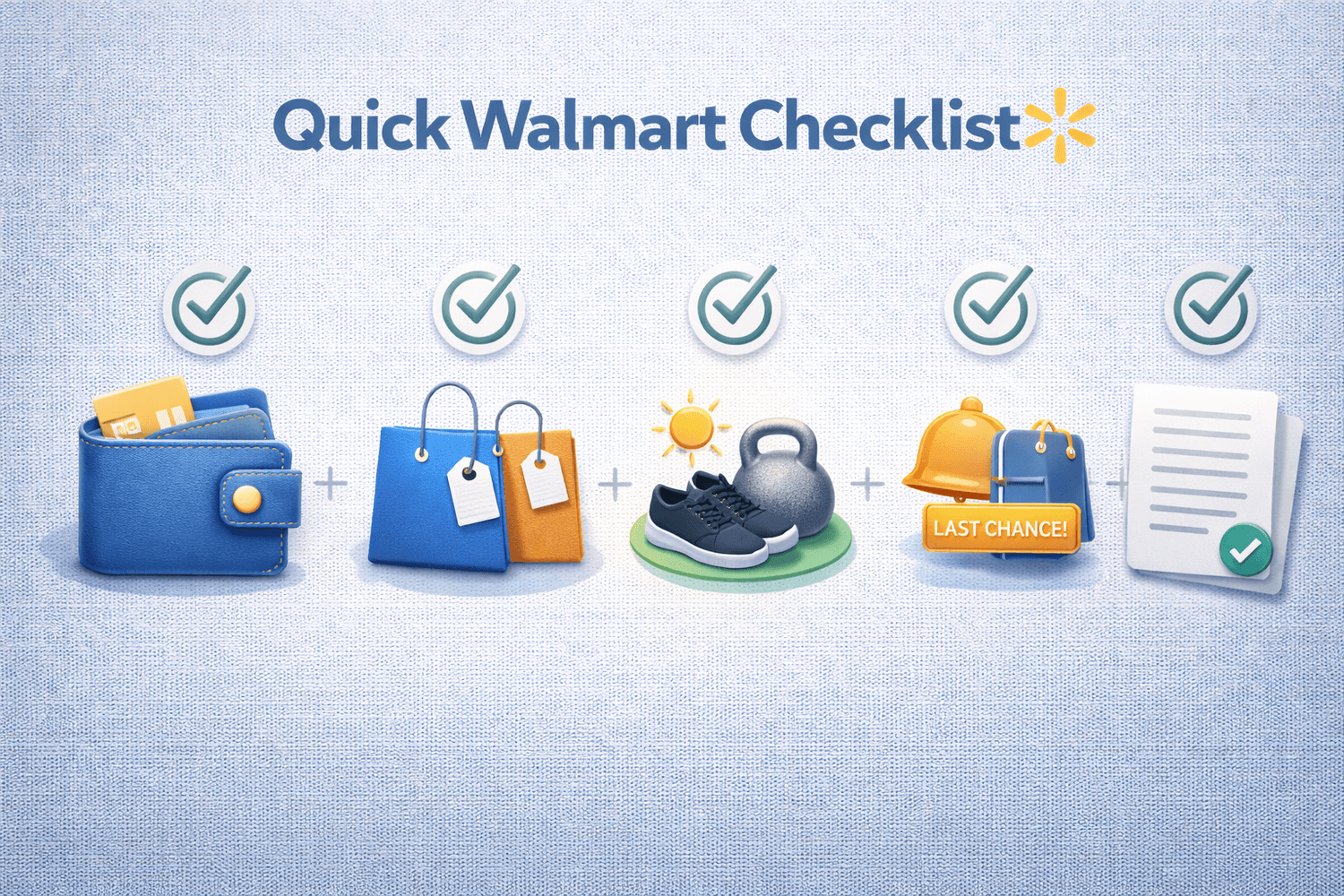
c. Use This Quick Smartest Checklist
Use this quick checklist to shop Walmart calmly after Christmas. It helps cut noise, avoid impulse clicks and focus on value that lasts beyond the sale window.
Sort by category instead of homepage banners
Compare the same item across two sellers
Prioritize daily use products over trends
Avoid urgency language and timers
Check return policy before checkout
Walmart’s post Christmas sale rewards calm planning. Buy what improves daily life. Skip noise. Let inventory pressure work in your favor.
Refresh the House with Wayfair Clearouts
After the holidays, Wayfair shifts into full clearance mode. Home categories drop fast because bulky inventory costs money to store. This makes rugs, storage units, bedding, lamps and compact furniture the strongest targets right now. Focus on neutral designs and functional pieces that work year round. Measure every space before checkout. Save a quick tape measure photo in the phone gallery. That single step reduces return stress and protects savings. Wayfair’s current end of year push is unusually deep, with markdowns reaching extreme levels across furniture, decor and bedding categories (People, December 26, 2025, Wayfair Is Closing Out the Year with Massive Sitewide Deals — Furniture, Bedding, and Decor Are Up to 82% Off).
These clearouts are not limited to decorative items. Practical home upgrades like shelves, shoe racks, entry benches, side tables and bed frames are seeing sharper cuts than before Christmas pricing. Acting with purpose matters here. Prioritize pieces that solve daily friction rather than aesthetic upgrades alone. When space, function and price align, post Christmas home shopping turns into long term comfort at a fraction of normal cost.

Catch Rare Brand Discounts in Quince
Some brands avoid discounts to protect perception and margins. Quince is one of them. That is why post Christmas windows matter. This period becomes a rare opening to buy premium basics at reduced prices. Focus on staples with long life such as coats, cashmere layers, bedding and travel essentials. These items deliver value through repeated use and stay relevant across seasons. Skip loud trend pieces that age fast and dilute savings.
This year’s Quince sale stands out because it cuts deeper than usual. Good Housekeeping reports a limited time event with markdowns reaching up to 30 percent across hundreds of products, including popular cashmere pieces that almost never go on sale (Good Housekeeping, December 26, 2025, Quince Just Dropped a Rare Sale — and My Favorite Cashmere Sweater Is 20% Off). Acting with intent matters here. These discounts do not last long and inventory moves quickly once shoppers realize the opportunity.

Read the Crowd Signal and Shop Early
Post Christmas rush is real. Good inventory gets grabbed first, especially online. Buy priority items early morning. Revisit later for extra markdowns on leftovers. Timing matters.
Boxing Day demand looks strong in 2025, with higher online spend expectations in the UK. The Guardian cites research forecasting £3.8bn in Boxing Day spending (The Guardian, December 25, 2025, Renewed zeal for Boxing Day sales expected to ring up £3.8bn for retailers).

Protect Money with Return Rules and Shipping Facts
Post Christmas clearance often comes with tighter rules. Some items become final sale without warning. Others shorten refund windows or switch to store credit only. Always read the return section before payment. Take screenshots of the product page and the policy page. Store receipts in one folder. This habit prevents confusion later and keeps savings real instead of theoretical.
Shipping costs matter just as much as price. Return shipping fees can erase discounts fast. Some sellers exclude discounted items from free returns entirely. The Federal Trade Commission advises shoppers to review refund terms, return shipping charges and special conditions tied to sale items before completing checkout (Federal Trade Commission, June 20, 2021, Online Shopping). Protection is not optional. It is part of smart buying.

Turn Post Christmas into a Yearly Saving System
Post Christmas shopping works best when treated as a repeatable system, not a one time win. Brands clear inventory every year. Shoppers who document outcomes gain an edge each cycle. This section turns short term deals into long term advantage.
Why the Clean Out Keeps Getting Bigger
Retail seasons keep expanding. Larger holiday volume creates heavier leftover stock. That excess forces deeper promotions once peak demand ends. In 2025, the scale reached a new high. The National Retail Federation projected holiday sales surpassing one trillion dollars for the first time, which naturally increased post peak discount pressure (National Retail Federation, November 6, 2025, NRF Expects Holiday Sales to Surpass $1 Trillion for the First Time in 2025). Bigger seasons lead to bigger clean outs.
Build a Simple Personal Playbook
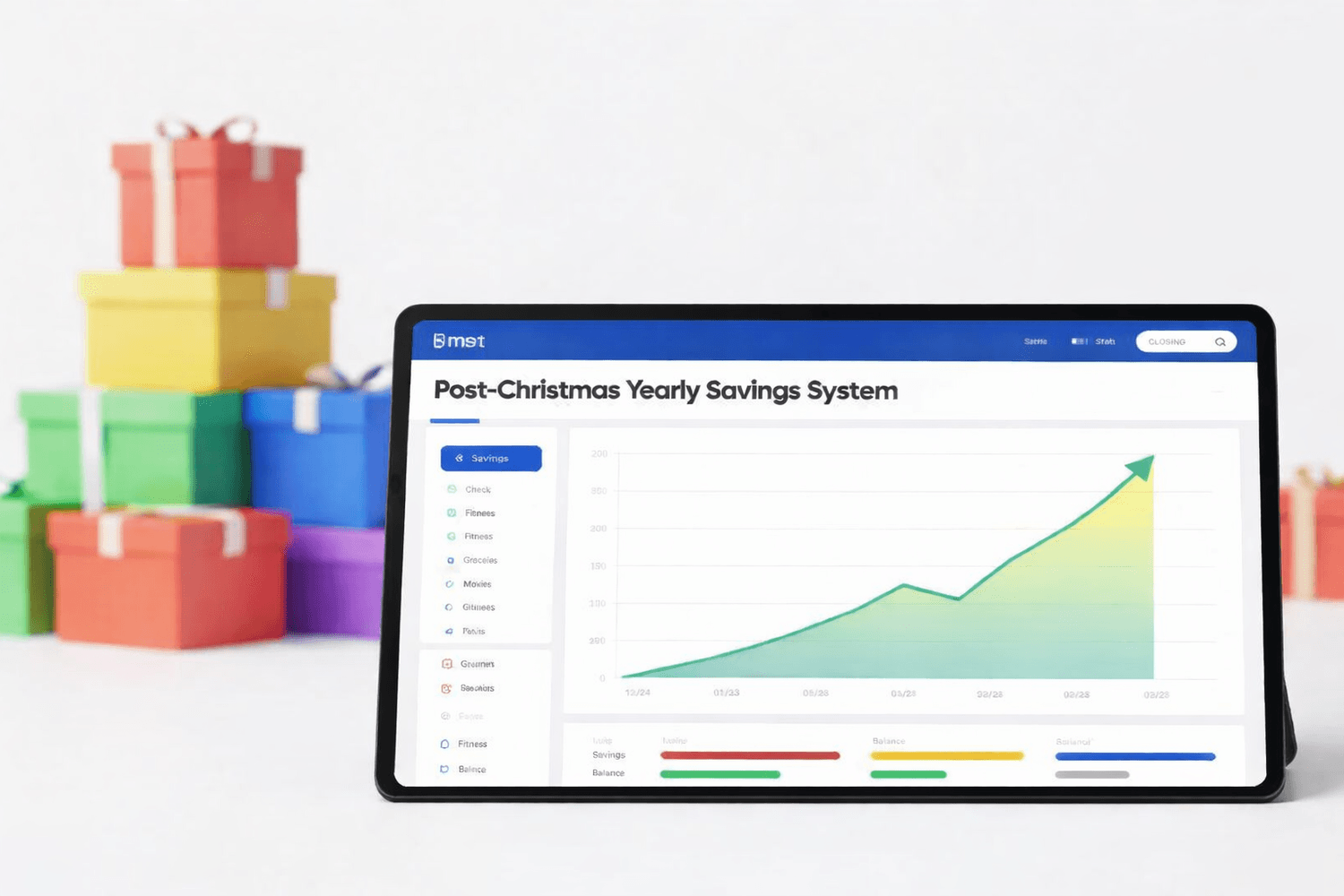
Tracking creates leverage. Use a notes app or document. Record which stores delivered real value. Note which categories disappointed. Write down timing patterns that worked. This personal data compounds yearly and removes guesswork next time.
Apply Lessons Forward
Next season becomes easier. Budgets tighten faster. Lists get sharper. Panic fades. Each cycle builds confidence and control. Post Christmas stops feeling chaotic and starts behaving like a predictable savings engine.
For gaining confidence, you need to learn and you should have the proper tool to move on. To equip yourself more, you can join $100K Money Hackers. Here you will get 35 AI tools for just $1/month. They will help develop your saving systems, ensure your business growth, dating life, fitness journey, to have fun and so much more! Be with the Skool Community and enjoy your time.
Frequently Asked Questions (FAQ)
Cash flow improves when expenses drop. Clearance pricing supports tools, home gear and upgrades without pressure. Smart timing protects monthly plans.
Daily use products outperform trends. Storage, tech basics, kitchen tools and work essentials stay relevant. These purchases reduce repeat spending later.
Category sorting reveals real cuts fast. Inventory pressure drives pricing shifts. Comparison across sellers confirms genuine value.
Impulse clicks cause clutter. Countdown timers trigger rushed decisions. Policy neglect turns discounts into losses.
Screenshots lock proof. Policy review avoids surprise restrictions. Organized receipts prevent disputes.
Tracking builds clarity. Notes reveal patterns across seasons. Each cycle strengthens control and confidence.
Conclusion
Post Christmas shopping is not luck. It is planning, timing and policy awareness. Pick targets, compare prices and keep receipts organized. Do it right and one week of smart buys can reduce spending pressure for months.


The Money Hacker