
7 Outdated SEO Strategies to Leave in 2025
Many people still chase old SEO tricks as if they are magic keys to Google’s heart. But the web has changed completely. Search engines think like humans now and understand intent, not repetition. Many tactics that once pushed pages to the top now quietly harm your visibility. It is time to face the truth because your SEO habits might be holding your growth back.

1. Don't Put All Your Eggs in One Basket
Ah, backlinks. Once the holy grail of SEO, but times have changed. While quality external links are still important, Google’s algorithm no longer gives them the sole spotlight. If you are funneling all your energy into collecting backlinks like they are some rare Pokémon cards, you are missing out on crucial opportunities.
Instead, internal links can become your new best friends. Building a solid internal link structure creates a web of connected content that enhances user experience and distributes authority across your site. It’s like throwing a party and making sure all your guests meet each other keeping the conversation (and the page views) going.

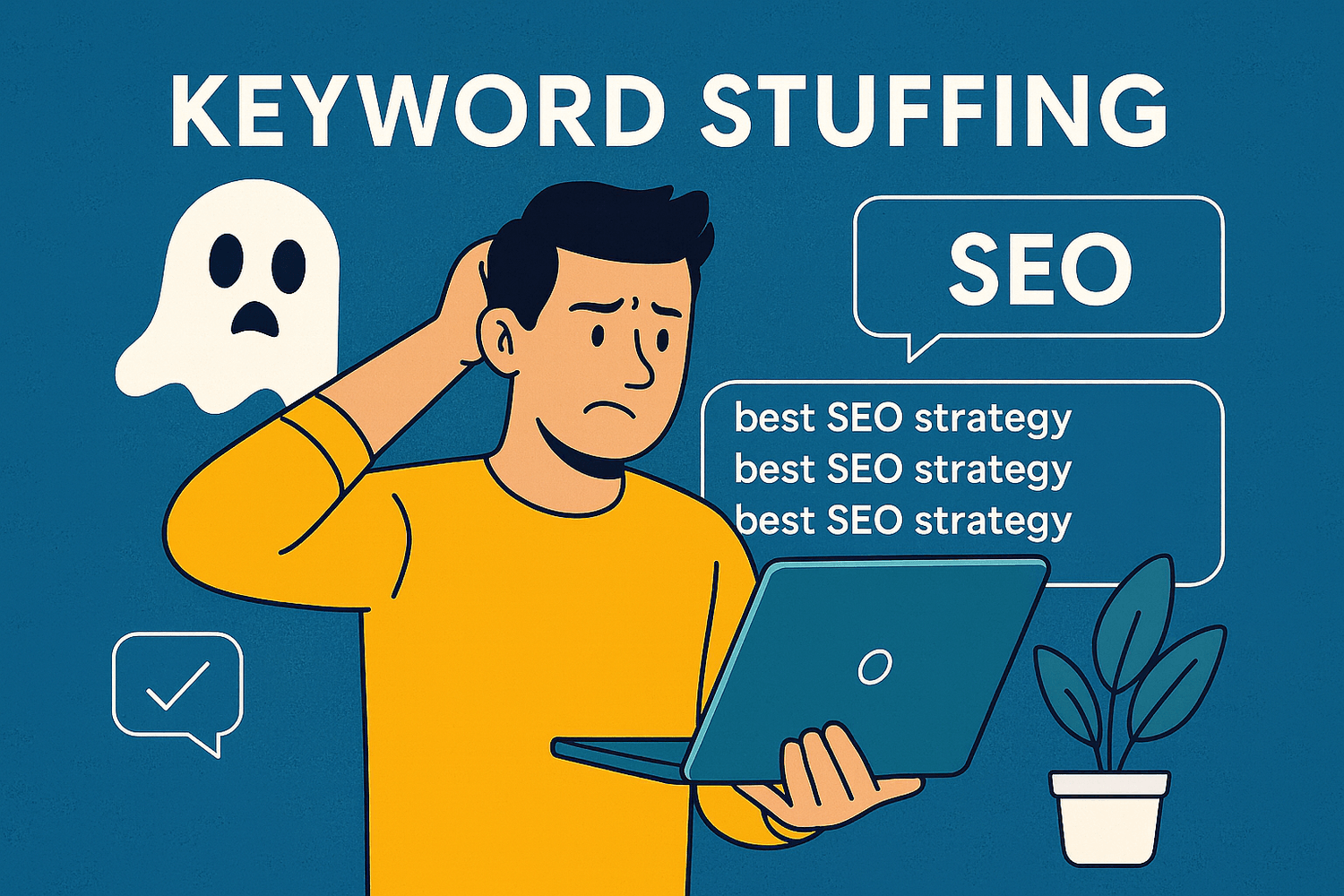
2. Stuffing Keywords Like 1999
If you are still cramming your content with keywords like they are going out of fashion, you might as well be driving an old school Nokia in 2025. Keyword stuffing isn’t just bad practice, it is painfully obvious to Google’s crawlers.
Now, it’s all about semantic search. Google is smart enough to understand synonyms, context and intent. You don’t need to repeat “best SEO strategy 2025” a dozen times. Instead, focus on related terms and natural language. Answer user questions and create rich content that provides value. Trust me, Google knows when you are being helpful versus when you are just keyword happy.
3. Ignoring Page Experience Metrics
In the early days, all you needed for good SEO was a bunch of text and a prayer. But now, page experience metrics play a critical role in your rankings. Site speed, interactivity and visual stability are factors that directly affect user experience and Google does not want people bouncing off slow or unstable sites.

4. Focusing Solely on Desktop Optimization
The days of desktop first SEO are long gone. With more than half of all web traffic coming from mobile devices, you need to be thinking mobile first. If your website looks like a Picasso painting on mobile screens, users will bounce faster than a kangaroo on caffeine.
A good thing to do is to use Google’s Mobile Friendly Test to ensure that your site works seamlessly across all devices. Because what is the point of ranking high if mobile users cannot even navigate your site?

5. Writing Short, Surface Level Content
Gone are the days when 300 words and a catchy headline would shoot you to the top of the search results. If your content is thinner than a slice of prosciutto, Google will leave you in the dust because today, comprehensive and valuable content wins.

6. Neglecting Content Updates
Publishing content and leaving it untouched for years is like planting a garden and never watering it. Just because a piece performed well when it was first published doesn’t mean it will stay relevant forever.
Make it a habit to refresh old content with updated statistics, new insights and improved structure. Search engines love fresh content and users appreciate it too. An outdated article on “SEO trends in 2017” isn’t going to win you any new clicks in 2025.

7. Using Exact Match Domains
Back in the Wild West of SEO, exact match domains (EMDs) were all the rage. But that ship has sailed. Google now ranks based on content quality and user experience, not just how many keywords are packed into your URL. Having a domain like “best-cheap-laptops-2025.com” is no longer a magic bullet.
Instead, focus on building a brand with a memorable and authoritative domain. It can still have keywords, but the days of EMDs ruling the SERPs are over.

Frequently Asked Questions (FAQ)
Because Google’s AI understands context, intent and synonyms. Overloading the same phrase screams spam. Use natural language and related terms instead.
Not anymore. A keyword heavy domain doesn’t boost SEO. Focus on strong branding, authority content and backlinks.
Google values depth. A shallow 300 word article won’t compete. Invest in longer, useful guides that answer real user questions.
No. Link farms and spammy directories can tank your site. Build links through guest posts, PR and valuable shareable content.
That looks unnatural. Mix branded terms, variations and natural phrases to keep your profile safe and effective.
Yes. Mobile first indexing dominates. If your site isn’t fast, responsive and user friendly on phones, you’ll bleed rankings and traffic.
Conclusion
The future of SEO belongs to creators who adapt and build trust. Smart content strategy and strong user experience make a brand stand out. Forget the old tricks that no longer work. Keep improving and stay human. Modern SEO mastery is about growth through clarity, trust and innovation.


The Money Hacker