
3 Fastest Digital Products to Earn $50-$300 a Day
Updated on: Tuesday, January 13, 2026
Every creator dreams of quick wins online. The trick is finding digital products that move fast and sell daily. In a world that rewards speed, your idea needs execution, not perfection. This guide shows how to turn simple templates, mini courses and paid newsletters into instant income. The race starts now and time is your only limit.
1. Canva Template Sold on X and Etsy
Why Templates Make Money Fast
Canva templates sell quickly because they remove effort and save time. People do not buy design files. They buy speed and clarity. A single well made template can be reused endlessly while solving urgent needs for marketers, job seekers and students. This is why Canva based products are widely used as entry level digital assets for online income (Shopify, November 25, 2025, How To Make Money with Canva in 2026: 14 Must Try Methods).
What Templates Sell Best
Focus on one audience and one clear use case. Broad appeal slows momentum because buyers want solutions made exactly for their situation.
a. Instagram Carousel Packs
These work best for creators, coaches,] and small brands that publish content frequently. Carousel templates help them stay consistent without redesigning every post from scratch.
Build 20 to 40 slides with uniform spacing and clean typography
Include layouts for tips, storytelling, quotes, before after and promotions
Add reusable cover slides so every post looks branded instantly

b. Resume and Branding Templates
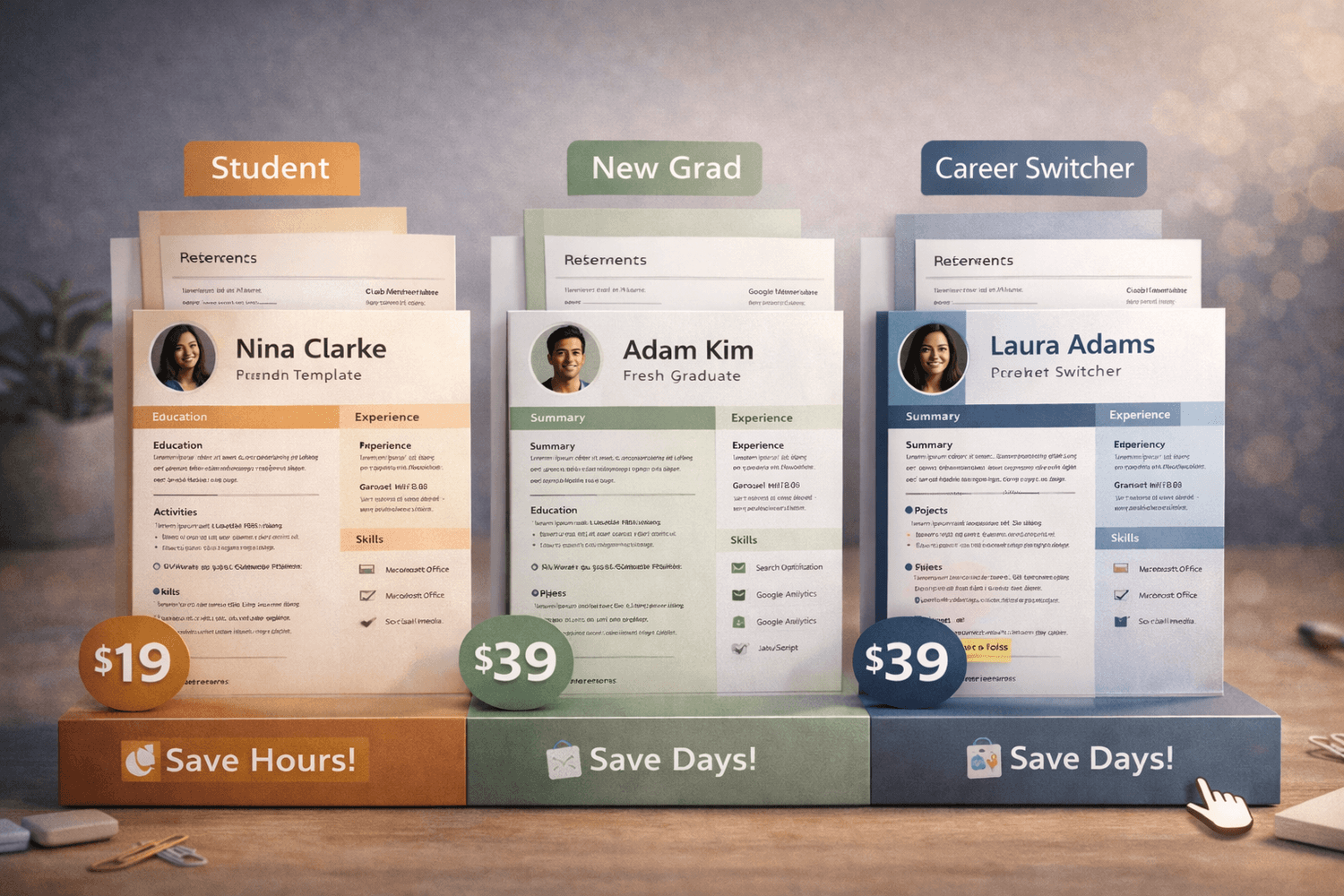
These appeal to students, job seekers and professionals who want a polished look without design skills.
Create separate versions for students, fresh graduates and career switchers
Add matching cover letter and reference pages for a complete set
Keep the layout simple so editing inside Canva feels effortless
c. Planners And Trackers
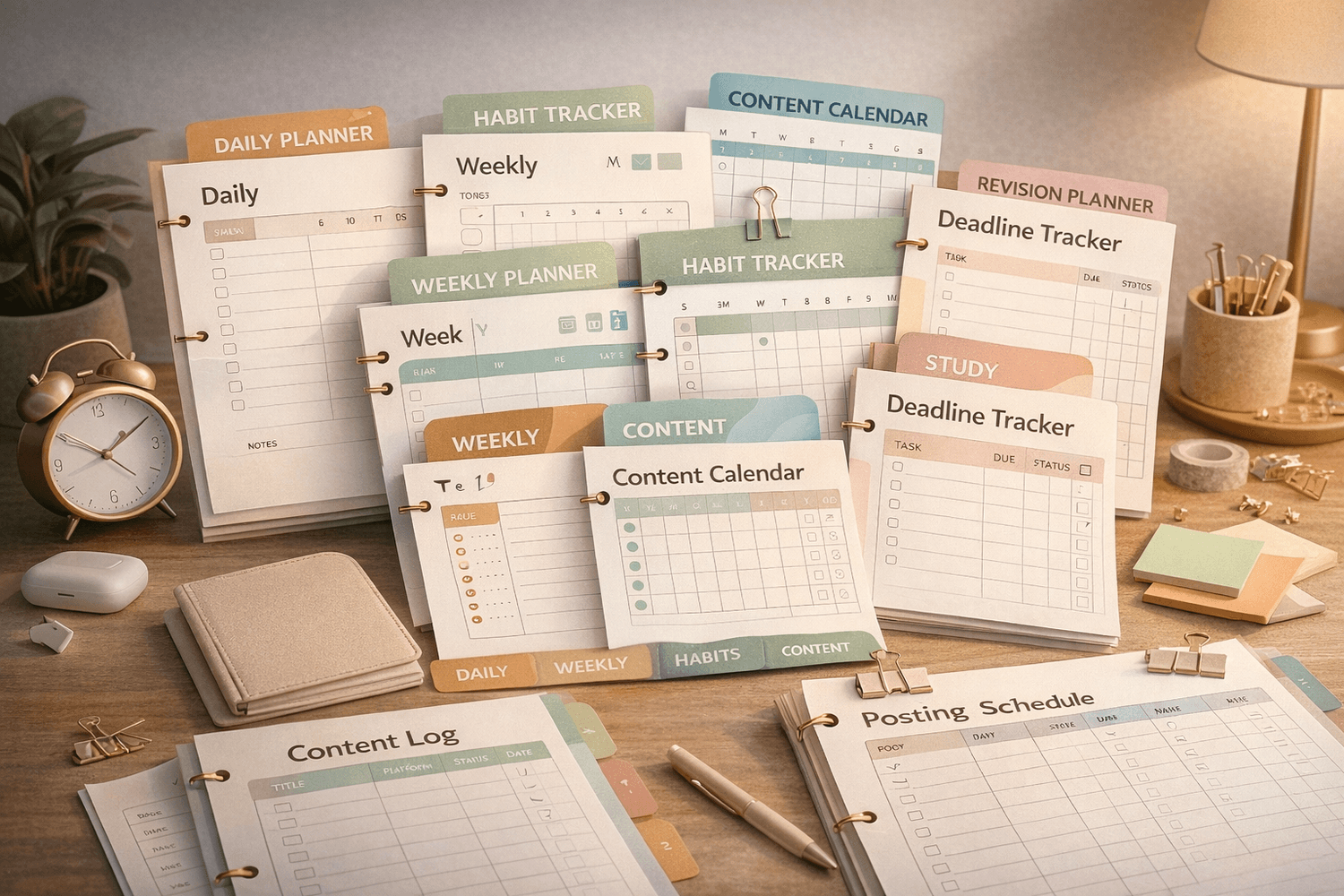
These sell well because they support daily habits and long term goals. What you should do to ensure maximum outcome:
Bundle daily planners, weekly planners and habit trackers together
Add creator focused pages like content calendars and posting logs
Add study focused pages like revision planners and deadline trackers
Templates succeed when they feel purpose built. One audience and one problem ensures one clear outcome. These products align with a broader digital product strategy where simple assets are scaled into repeat income (The Money Hacker, January 12, 2026, 5 Digital Products to Sell for Your First $2000 Online).
This approach allows creators to expand without increasing workload.
Pricing and Packaging Logic
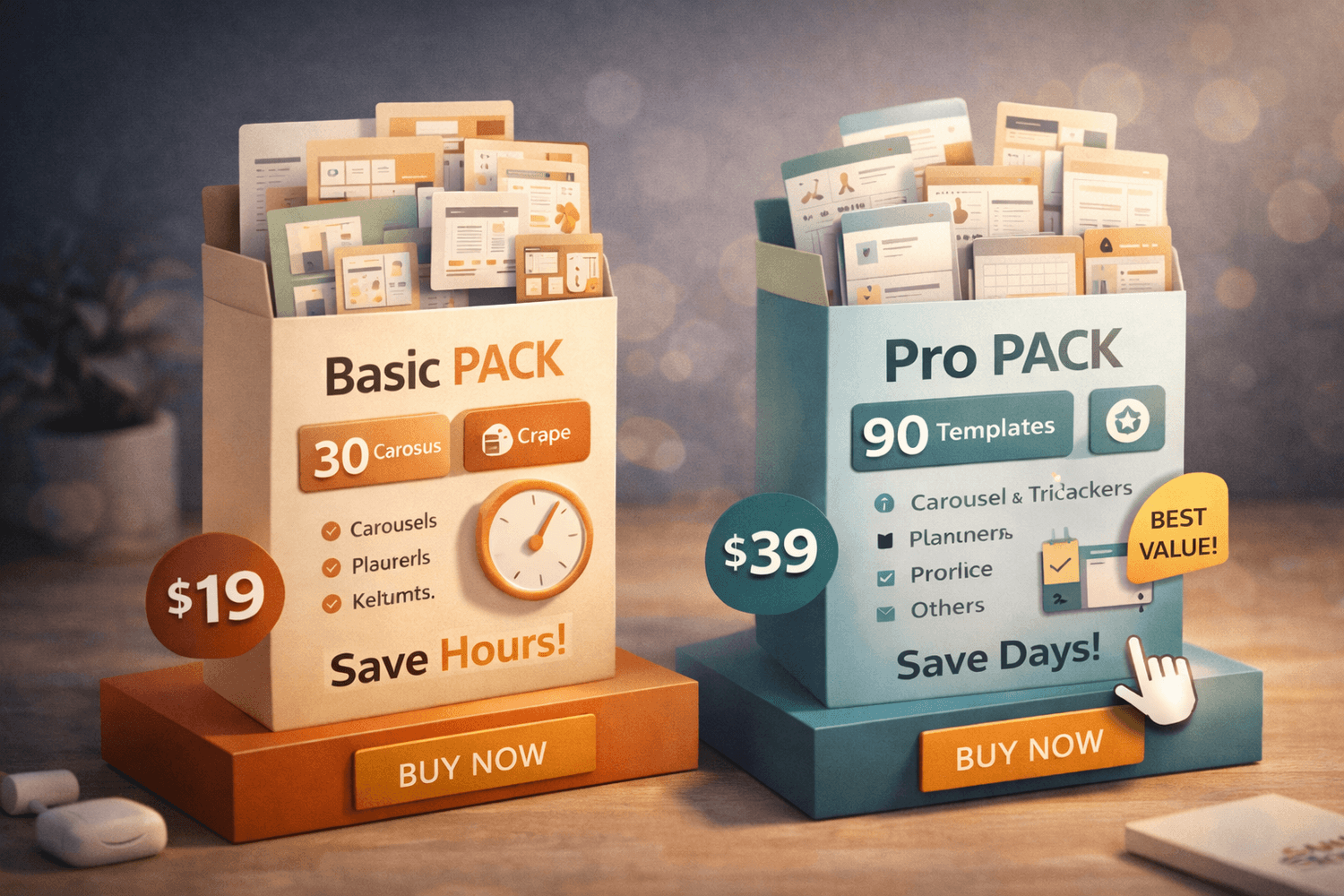
Pricing should reduce hesitation and increase perceived value. You should follow these guidelines:
Bundle related templates instead of selling single files
Offer a basic pack and a higher value pro pack
Highlight time saved instead of page count
Templates sell better when positioned as shortcuts to results, not collections of designs.
How X And Etsy Work Together
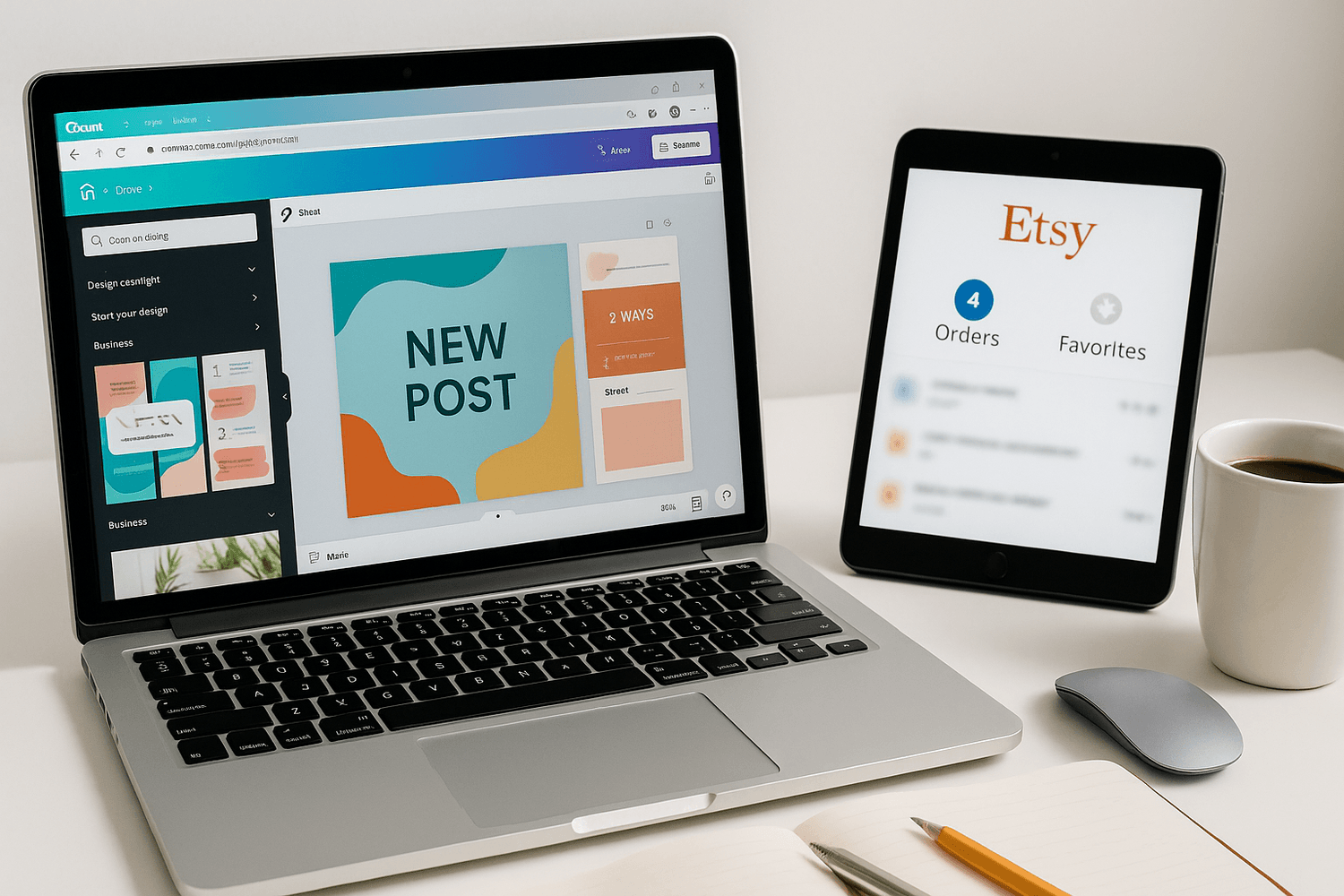
Each platform plays a different role in the same funnel. One captures intent. The other builds trust.
a. Etsy
Etsy works as a demand driven marketplace where buyers arrive with a clear problem and a buying mindset. Following are the guidelines:
Capture buyers already searching for ready made solutions
Strong titles help listings appear in relevant searches
Clear mock ups show how the template works in real use
Consistent sales build momentum through reviews and visibility
b. X
X works as the trust and discovery layer before the purchase happens. What ensures maximum outcome:
Build trust through previews and real use examples
Short posts show how a template saves time or improves results
Threads explain who the template helps and why it works
Pinned threads act as a long term sales page

Together, Etsy handles intent while X handles belief. One brings buyers. The other convinces them to buy. This combined system reflects proven Canva monetization paths where one product supports multiple traffic sources (The Money Hacker, October 5, 2025, 5 Best Ways to Make Money with Canva).
The result is a compact digital setup where one well built template can generate daily income with minimal upkeep.
2. Mini Courses Print Cash on Gumroad
Why Mini Courses Sell Fast
Mini courses work because they solve one urgent problem without overwhelming the buyer. People want quick wins, not long dashboards and endless modules. Gumroad itself encourages creators to package skills into small, outcome driven products because they convert faster and launch quicker (Gumroad, October 3, 2021, How To Package Your Skills As Digital Products).
A clear promise like learning one skill in 30 to 60 minutes feels achievable and easy to buy.

What Sells Best as a Mini Course
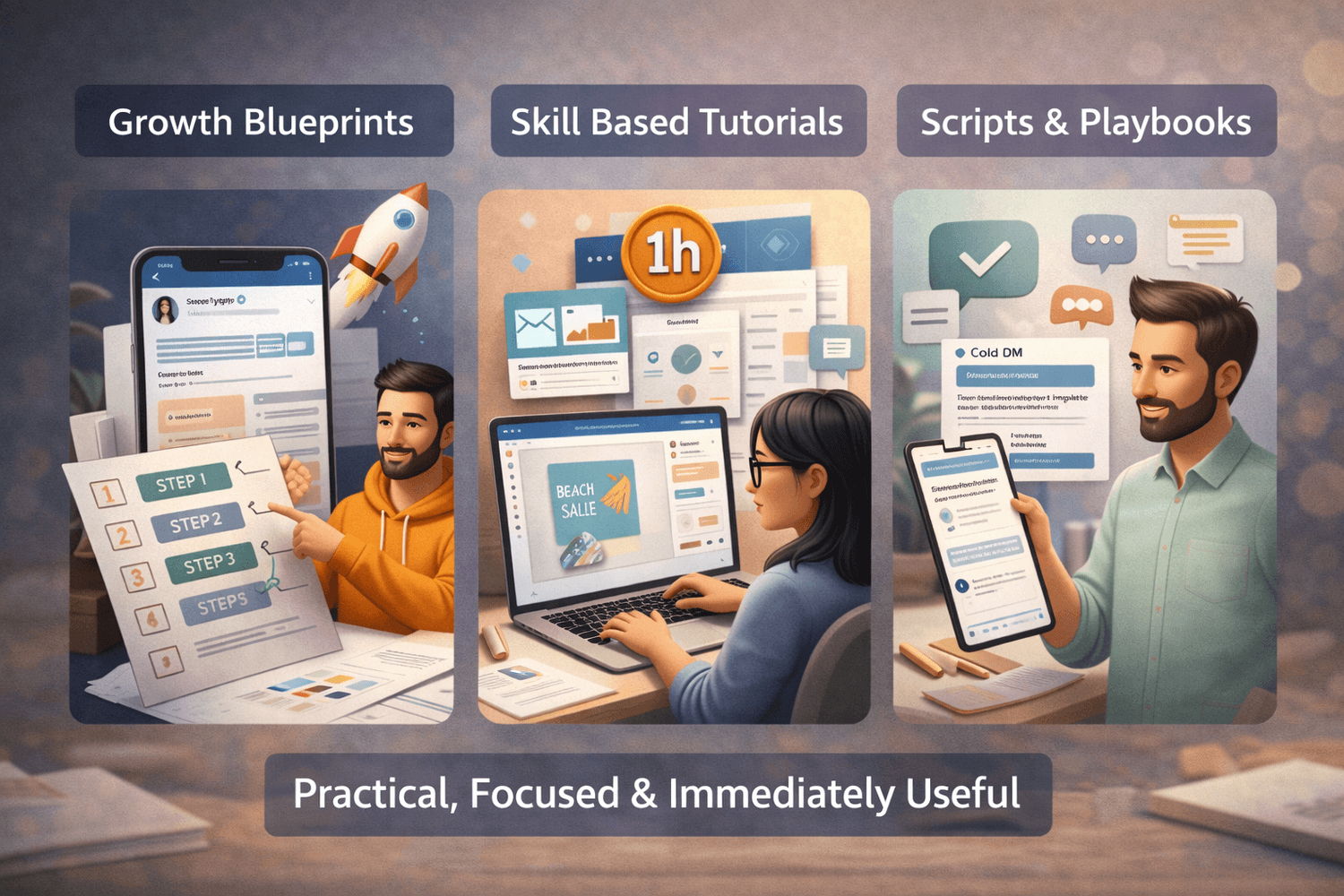
a. Growth Blueprints
These appeal to creators who want measurable progress without guesswork. These are important because:
Short systems focused on one platform such as X posting or thread writing
Clear steps that fix a single growth bottleneck
Easy to apply the same day without extra tools
b. Skill Based Tutorials
These attract buyers who want to learn by doing, not watching. What you must follow:
Learn one skill in a short time frame like Canva in one hour
Clear screen tutorial that builds one finished result
Ends with a usable asset such as a design or page
c. Scripts And Playbooks
These work best for freelancers and service providers. These are helpful because:
Cold DM or outreach frameworks ready to copy and adapt
Reduces trial and error during client outreach
Helps buyers feel confident before sending the first message
Mini courses sell best when they feel focused, practical and immediately useful.
How Creators Build and Launch Fast
Speed matters more than polish in early launches. What you need to do:
Outline one problem and one solution
Record a single screen tutorial with real examples
Add a small bonus like a checklist or template
This lets creators launch in a day instead of weeks.
3. Paid Newsletters for Niche Intelligence
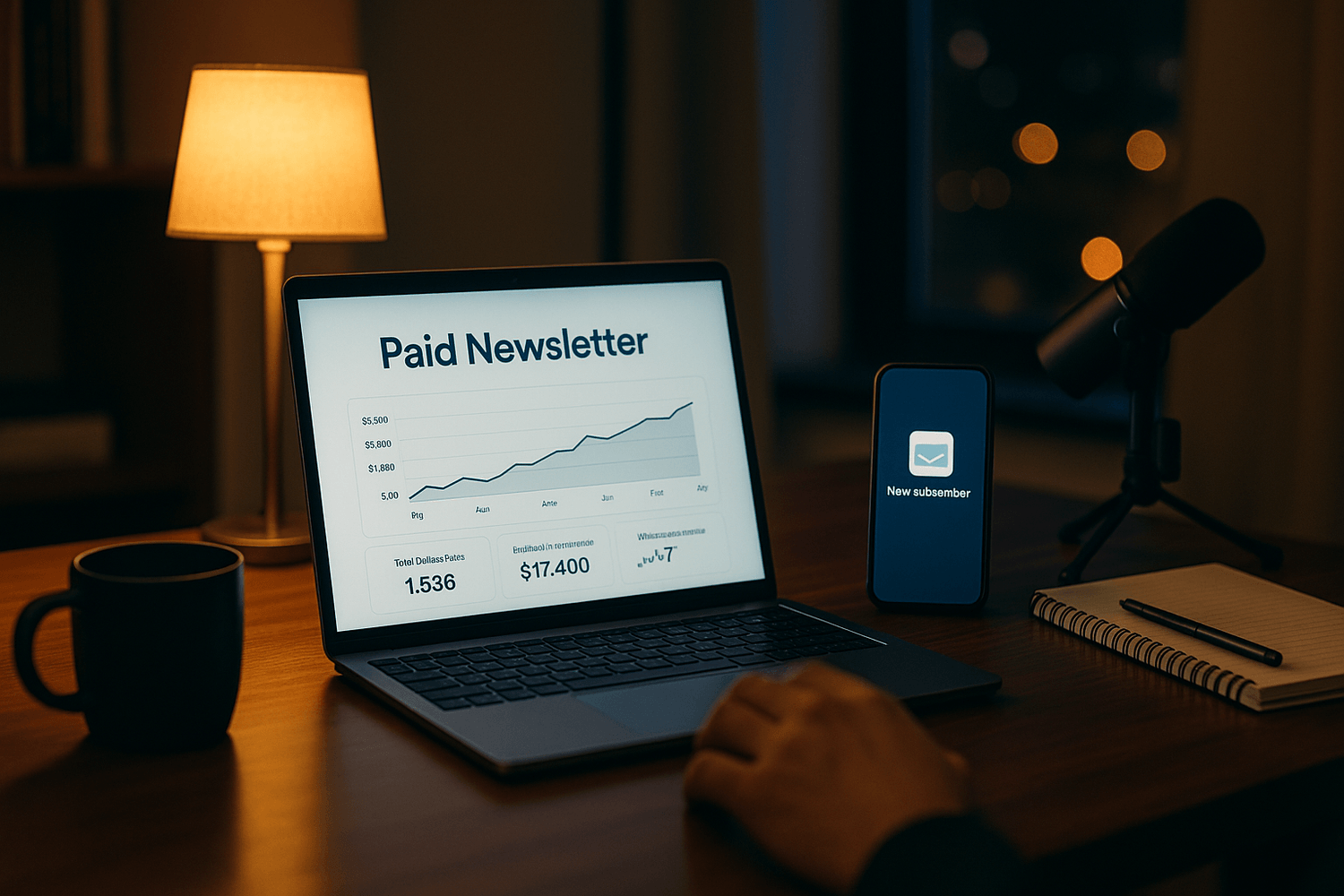
Everyone drowns in content. What they pay for is clarity. A $10-$15/month paid Substack newsletter on niche topics like AI tools, crypto signals, stock breakdowns or even productivity hacks can start pulling in $30-$100 per day recurring with as little as 50-100 loyal subscribers.
It is the leanest recurring product to launch. No fancy setup, just one email platform and consistent insights. And unlike templates or courses, a newsletter compounds over time. The more subscribers you add, the higher your “daily floor” income becomes.
For gaining confidence, you need to learn and you should have the proper tool to move on. To equip yourself more, you can join $100K Money Hackers. Here you will get 35 AI tools for just $1/month. They will help you in your online business, dating life, fitness journey, to have fun and so much more! Be with the Skool Community and enjoy your time.
If you want to earn money quickly by any means in online domain, access The Quick $750 Hack. It is completely free for you. Remember, your financial freedom is our commitment.
Frequently Asked Questions (FAQ)
Templates and bite sized courses win because they are quick to make, cheap to host and easy to sell again and again. Start with Canva or Notion packs that solve real creator problems.
Create once and promote daily. Bundle your product, use simple automation for delivery and post value based content on repeat to keep new buyers coming.
Pick something search friendly like planners, resume templates or social media kits. Platforms like Etsy and Gumroad already bring buyers if your title and visuals hit.
Watch where people struggle or complain online. Turn those pain points into products that save time, simplify tasks or make them look pro instantly.
Focus on one problem and solve it fast. Record a short course (under an hour), price it under $40 and promote it with proof based Reels or TikToks.
Use short content loops. Teach one tiny trick, show proof, link your product. Post daily across platforms, build curiosity and drive clicks through clear value, not hype.
Conclusion
If you want quick digital income, stop overthinking. Templates sell speed. Mini courses sell shortcuts. Newsletters sell clarity. Each can start stacking $50-$300/day with minimal setup. The difference between broke and profitable is not the effort; it is picking the digital products that buyers already have their wallets out for.


The Money Hacker