
Develop This Habit or Nobody Will Read What You Write
Updated on: Wednesday, December 03, 2025
Writing a great story is easier than you think.
It is not about fancy castles, vicious villains, magical lands or even heroes slaying dragons.
Rather, it is about everyday stories. Stories that people can relate to. Not a hero slaying a witch-turned-dragon to save a sleeping princess.
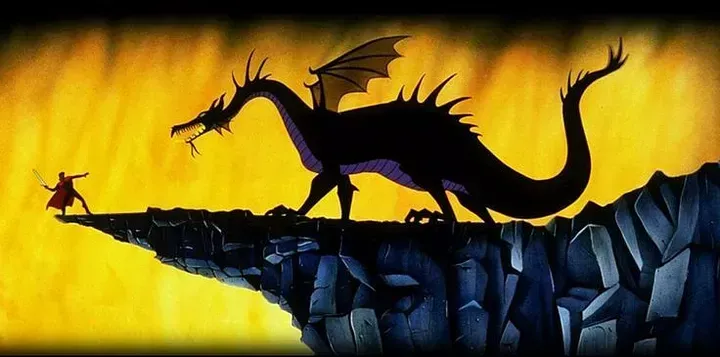
Scene from The Sleeping Beauty
It Is Not about Being Smart or Creative
You see, it is not about being smart or even overly creative. That is what most new writers don’t get. They try to sound smart. But being a good writer is about making your readers feel good about themselves, not making your audience feel stupid.
You do not need to sound like an Oxford professor to write great stories. You also do not need to be a creative mastermind who writes a tale like Sleeping Beauty. The strongest stories are already close to you. They sit in front of you in normal days. They are hidden in plain sight.
Life carries the greatest stories. Your own memories hold conflict, emotion, fear, joy and quiet moments that feel real. When you write from that personal truth, your words often carry a different weight for the reader, because the feeling inside the scene is honest. (Gila Green Writes, January 26, 2025, The Power of Writing from Personal Experience: Balancing Authenticity with Fiction)

Learn from Your Daily Life
Great writers learn to notice tiny details in daily life. A chipped mug on the table can say more than a long speech. A short message on a phone screen can reveal a whole relationship. Small, specific details help stories feel vivid and stay in the reader’s mind long after the plot fades. (Curious Muse, November 25, 2025, How Small Details Can Make Your Storytelling More Vivid and Memorable)
So, the greatest stories you will ever tell are already in your life and in the world around you. Life keeps handing you scenes and emotions all the time. Great writers keep an eye out for those moments. They stay awake to their own experiences, because they know their best stories will rise from the lives they actually live. You are a Very Bad Writer! may give you proper idea about qualities of a good writer. Read 5 Secret Ways to Improve Your Writing Most People Miss to know more about writing efficiently.
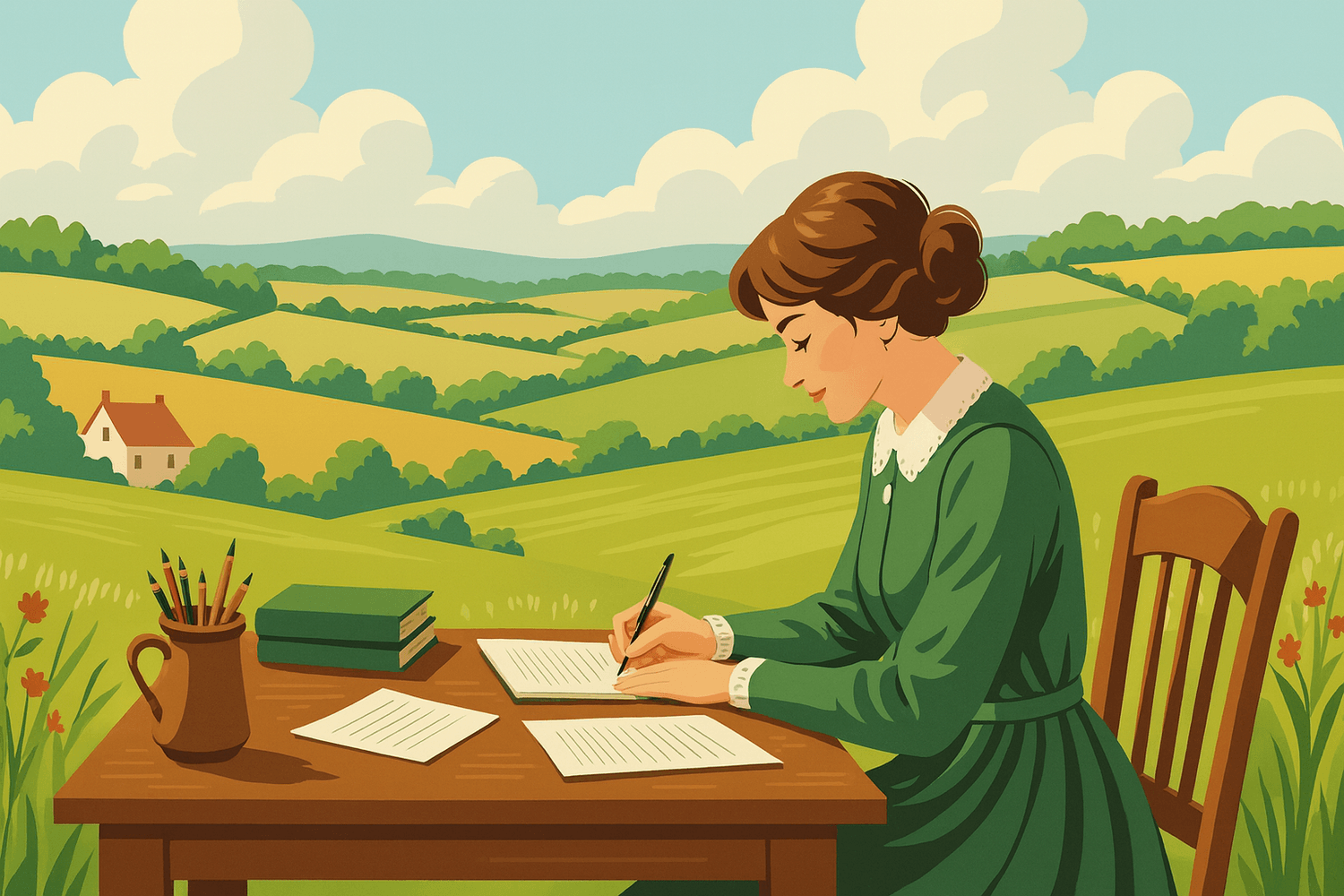
Writers are Students of Life
Great writers move through the world as quiet observers. They notice how people speak and how emotions shift in normal moments. They study life closely because small movements and simple scenes often reveal deep truths. This habit gives their writing honesty and weight. Ernest Hemingway described this approach clearly by saying a writer needs a strong reservoir of observation that grows through watching the world with care. (The Writing Cooperative, July 28, 2020, How to Write Better With the Wisdom of Ernest Hemingway)
10 Habits Turn Amateurs into Money Making Copywriters will show you the path how to become a fruitful writer.
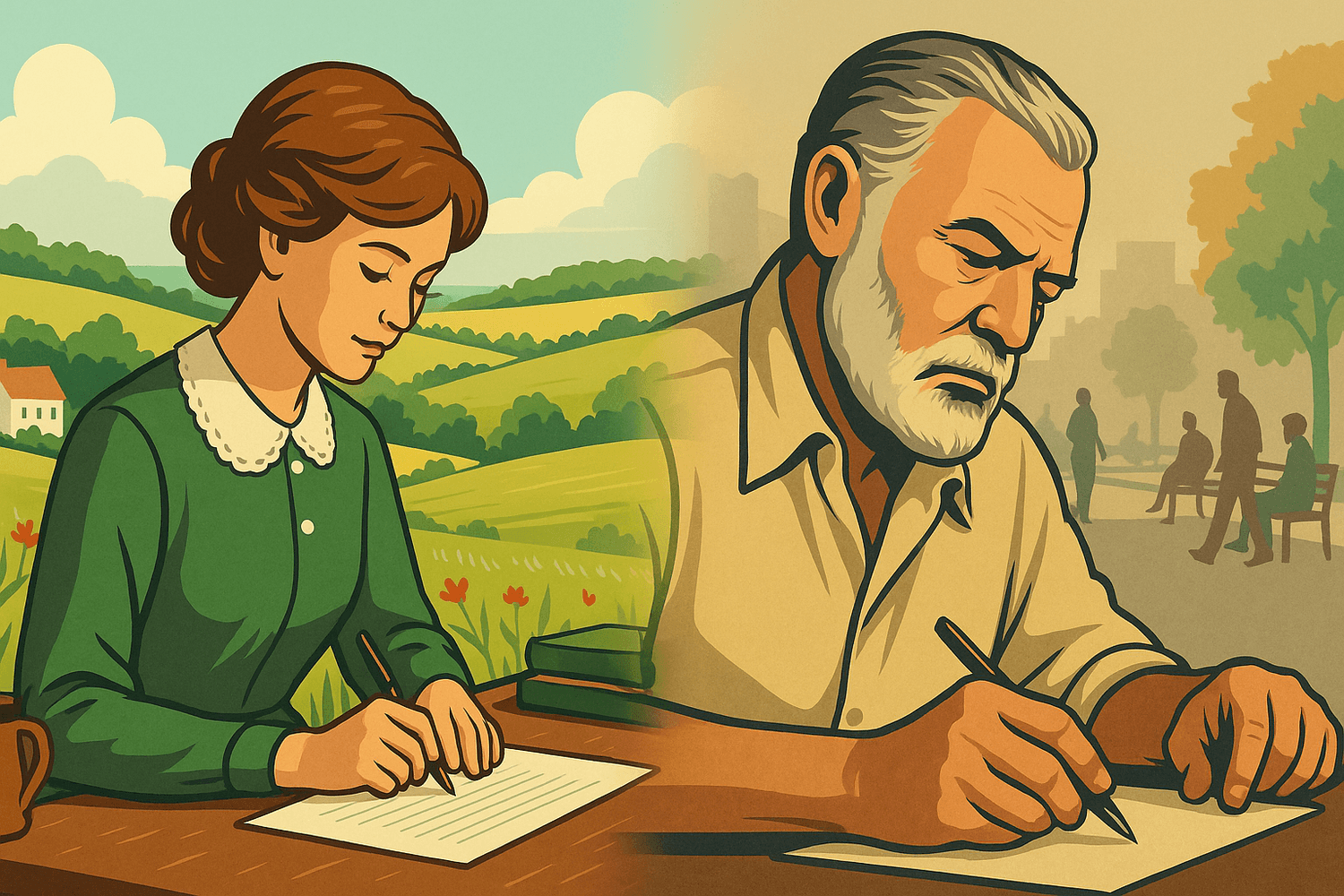
The Power of Everyday Practice
Writing grows when you show up daily and record fragments of life. The habit builds creative muscle and trains your unconscious mind to connect ideas naturally. What looks effortless in great writing is often the result of small, repeated practices. Research on handwriting and writing habits shows that consistent writing strengthens cognitive processing and deepens expression, proving the value of daily engagement.
(The New York Times, June 2, 2014, What’s Lost as Handwriting Fades)

How You Can Do This Too
Sit with a pen and capture moments from your day. Write the lesson a conversation taught you, the feeling a small event sparked, or the idea that passed through your mind for just a second. Keep gathering these pieces. Over time your writing becomes warm, grounded, and full of life. Studies show that expressive writing builds clarity, creativity, and emotional insight, which naturally strengthens your storytelling voice. (American Psychological Association, June 2002, Writing to Heal)

Frequently Asked Questions (FAQ)
Paying attention. Writers who notice details of life, they capture moments. Others miss and they are broken.
Carry a notebook or use your phone. Jot down overheard lines, small observations or even feelings in the moment. These fragments become future gold.
Talent fades without discipline. What wins loyalty is consistency, recording life daily and turning raw notes into words that connect.
Yes. Readers resonate more with a cracked coffee mug on a desk than with vague morning inspiration. Specifics create emotional hooks.
Set a daily reminder to note three observations before bed. It is simple, fast and builds muscle memory for noticing.
If readers say, “That’s exactly how I feel,” you have nailed it. Connection, not applause, is the true measure of impact.
Conclusion
Great writing does not come from clever words, it comes from paying attention. The habit is simple about writing and that is notice life, jot it down and let those small details breathe through your words. Readers don’t want performance; they want to feel understood. As a copywriter, your edge is not talent. It is the discipline of capturing reality and reviving it on the page. Do that and your writing will not just be read, it will be remembered.
For mastering copywriting and earn maximum money online, you can use tool like 620 ChatGPT Prompts for Copywriting. Using this bot, you will be able to create sales pages, emails & ads in minutes. You can try for it.


The Money Hacker