
7 Red Hot Niches with Low Competition
Finding low competition niches can open real doors for growth. These profitable niches help you stand out without fighting big brands. You can build a name, attract your audience and earn faster. Each idea connects to real needs and simple income paths. Explore emerging markets where passion meets profit and build something that truly fits you. It is not just about trends. It is about creating a digital space that lasts.
1. Sleep Optimization for Remote Workers
Sleep is no longer a luxury, it’s the new productivity drug. Remote workers and digital nomads are desperate for fixes that don’t involve pharmaceuticals.
Take Casper Lee, who launched a $39 course on “Deep Sleep for Digital Nomads.” His funnel was painfully simple: Twitter threads → mini YouTube tips → course checkout. In 6 months: $40k revenue. Why? Because nobody else was talking about sleep for remote workers.
Monetization Models:
Digital course ($29-99 price range)
Sleep coaching via Zoom ($100+/session)
Affiliate marketing with sleep gadgets, blue light glasses or apps
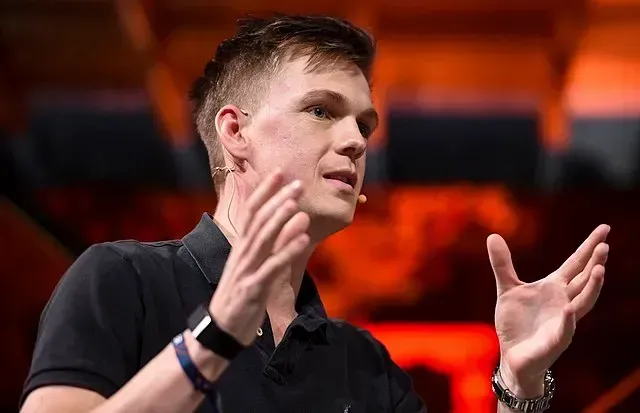
Image of Casper Lee
2. AI Tools for Micro Professions
AI is noisy. But “AI for Etsy sellers” or “AI for voiceover actors”? Dead quiet and highly lucrative.
Jenna Wright made $25k in a single quarter by launching her ebook AI for Etsy Sellers ($99). Her marketing stack? Pinterest pins + Etsy forum posts. No ads. No noise. Just micro-targeted precision.
Monetization Models:
Ebooks, guides or templates for niche workflows
Affiliate commissions from AI SaaS tools
Consulting/mini agency helping micro professions adopt AI

3. Senior Friendly Tech Education
Boomers don’t want to code. They just want to FaceTime the grandkids and stop feeling stupid when clicking “share.” The demand is urgent and underserved.
Mark N. started offering “Zoom for Retirees” workshops at $75/session. Within months, he packaged it into an online course, scaling to $8k/month. Nobody else was serving them, so he became the go-to name.
Monetization Models:
Live group workshops ($25-50 per seat)
Membership programs (monthly tech Q&A for seniors)
Affiliate partnerships with software tools (password managers, tablets, etc.)

4. Mental Health for Niche Creators
Streamers, YouTubers, and online creators don’t want generic “mindfulness.” They need burnout prevention tailored to their world of endless content cycles and toxic comment sections.
Sophia L., a therapist, launched “Mindset Reset for Streamers” ($297). Partnering with Twitch creators gave her instant credibility and clients. She wasn’t Calm or Headspace, she was specific.
Monetization Models:
High-ticket coaching programs ($200-500 per client)
Digital courses on stress & creativity ($99-199)
Brand partnerships with creator platforms looking to support mental health

5. Digital Collectibles Beyond NFTs
The NFT bubble popped, but the collectible impulse didn’t die. It migrated to digital stickers, trading cards and gamified content packs.
Ethan M. designed aesthetic “Study Stickers for Notion” and sold them for $12 on Gumroad. His TikTok marketing to study communities made him $18k in six months. Zero blockchain hype. Just simple, fun digital assets.
Monetization Models:
Digital sticker packs, templates or skins ($5-20 each)
Subscription boxes for digital assets ($9-15/month)
Affiliate revenue through platforms like Gumroad or Creative Market

6. Hyper Specific Fitness Communities
Mainstream fitness is over-saturated. But “Yoga for Gamers” or “Strength Training for New Moms Who Freelance” are wide open.
Daria K. branded herself “The Gamer’s Yoga Coach.” After 20k YouTube subs, she launched a $29 membership. That tiny niche gave her $6k/month and positioned her as the authority for that audience.
Monetization Models:
Memberships ($19-49/month)
YouTube monetization and brand sponsorships
Affiliate commissions on gear (chairs, mats, ergonomic desks)

7. Skill Building for Freelancers in Emerging Economy
The freelance economy is exploding in Africa, South Asia and Latin America. But guidance on pricing, branding, and global client acquisition is missing.
Adewale launched a $49 course How to Land Western Clients on Upwork. TikTok funnels brought him $60k in year one. He didn’t just build a business, he became a trusted mentor for an underserved, rapidly growing demographic.
Monetization Models:
Online courses/training programs ($49-199)
Group coaching cohorts ($300-500 per seat)
Affiliate partnerships with freelancing platforms and SaaS tools

Frequently Asked Questions (FAQ)
Targeting sleep optimization for remote workers can pay off quickly, like Casper Lee’s $39 “Deep Sleep” course that earned $40k in just six months using simple social media funnels.
Use organic channels like Pinterest, forums, Reddit, or Twitter threads to reach hyper specific audiences cheaply. See Jenna Wright’s ebook for Etsy sellers that made $25k in one quarter with zero ads.
Absolutely. Offering simple, relatable programs like “Zoom for Retirees” can scale from $75 live sessions to $8k/month online courses when tailored for convenience and confidence.
Offer niche specific mental-health coaching (e.g., “Mindset Reset for Streamers”) that speaks their language. This builds trust and lets you charge premium rates (like $297 per coaching package).
Yes. People still love fun, accessible digital assets. Study type sticker packs for Notion (e.g., $12 each) sold via TikTok and Gumroad helped one creator earn $18k in six months without blockchain hype.
Definitely. A $49 Upwork training course aimed at freelancers in Africa, South Asia or Latin America earned $60k in its first year, proving that targeted guidance paired with TikTok marketing works.
Conclusion
Choosing the right low competition niche is your shortcut to real success. Focus on solving real problems and building trust every day. Keep learning, keep creating, and watch your online income grow with time. The internet rewards bold movers, so start today and turn your niche into profit magic.


The Money Hacker