
Why Affiliate Marketing Nearly Died and How to Win Now
Affiliate marketing was once the simplest way to earn online. With no products to stock or customer support to manage, affiliates could make money by recommending solutions people already wanted. But unchecked hype and one scandalous company nearly destroyed the entire industry. In 2025, affiliate marketing is still alive. But it is smarter, stricter and more rewarding for those only who can adapt.
The Real Beginning of Affiliate Marketing
Affiliate marketing didn’t start with Amazon. In 1989, William J. Tobin launched PC Flowers & Gifts on Prodigy. His program tracked referrals and paid commissions for sales and this was a revolutionary step in e-commerce. By 1993, more than 2,500 affiliates were driving revenue and Tobin patented affiliate tracking technology.
The DNA of Affiliate marketing was built on trust, transparency and mutual benefit. Merchants gained customers, affiliates earned income and buyers found convenience.

Amazon Turns Affiliate Marketing Mainstream
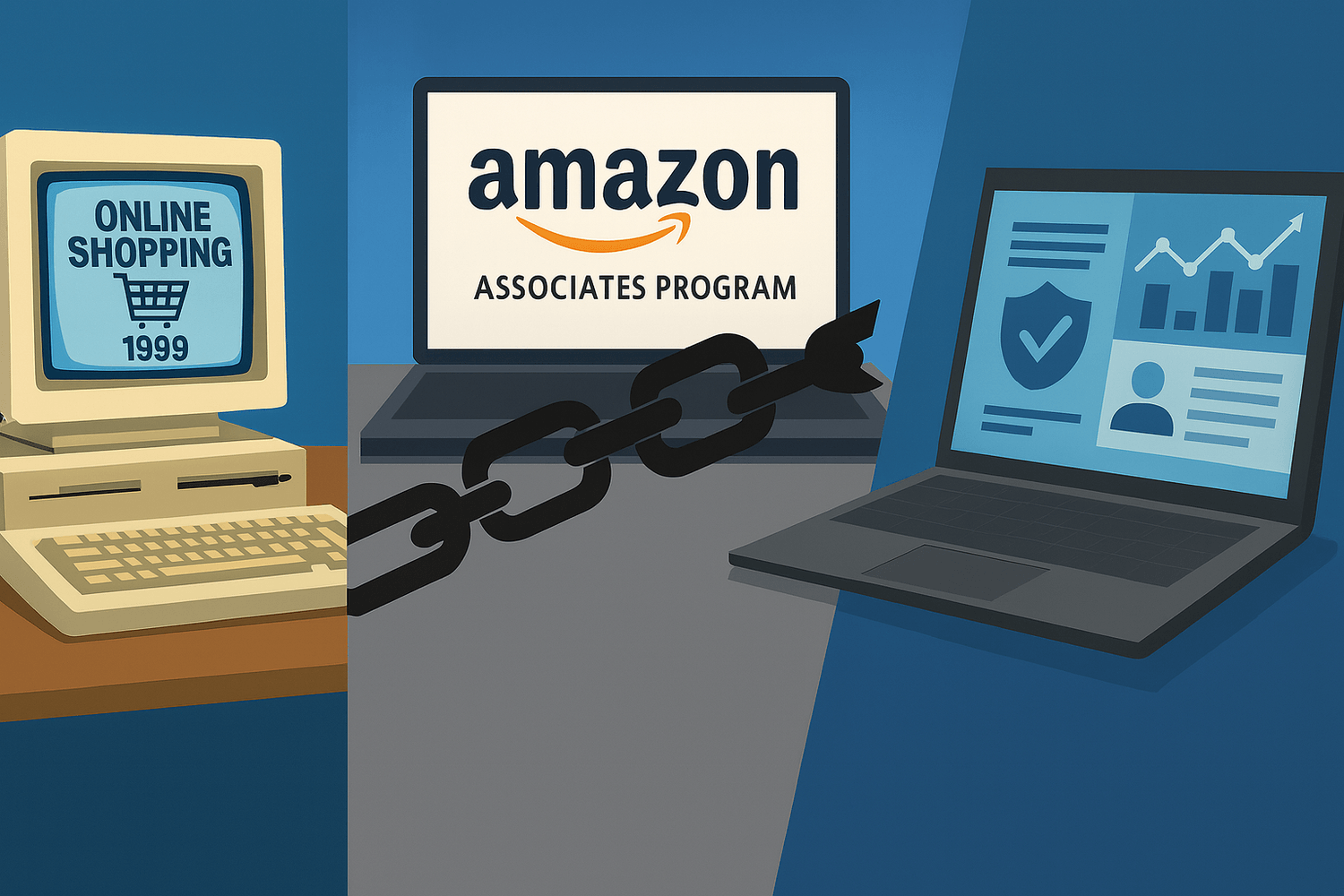
In 1996, Amazon introduced its Associates Program which brought affiliate marketing to a global stage. For the first time, anyone with a website, blog or newsletter could monetize an audience. Bloggers, reviewers and later YouTubers built entire businesses around affiliate commissions.
For years, affiliate marketing symbolized the promise of passive income. But as it grew, some promoters replaced value with hype and cracks began to appear.
MOBE Collapse That Shook the Industry
In 2014, MOBE (My Online Business Education) entered the scene. Marketed as a training platform, it built a system where affiliates sold the dream of MOBE itself. Recruits started with low ticket offers and were pushed into expensive programs costing thousands of dollars.
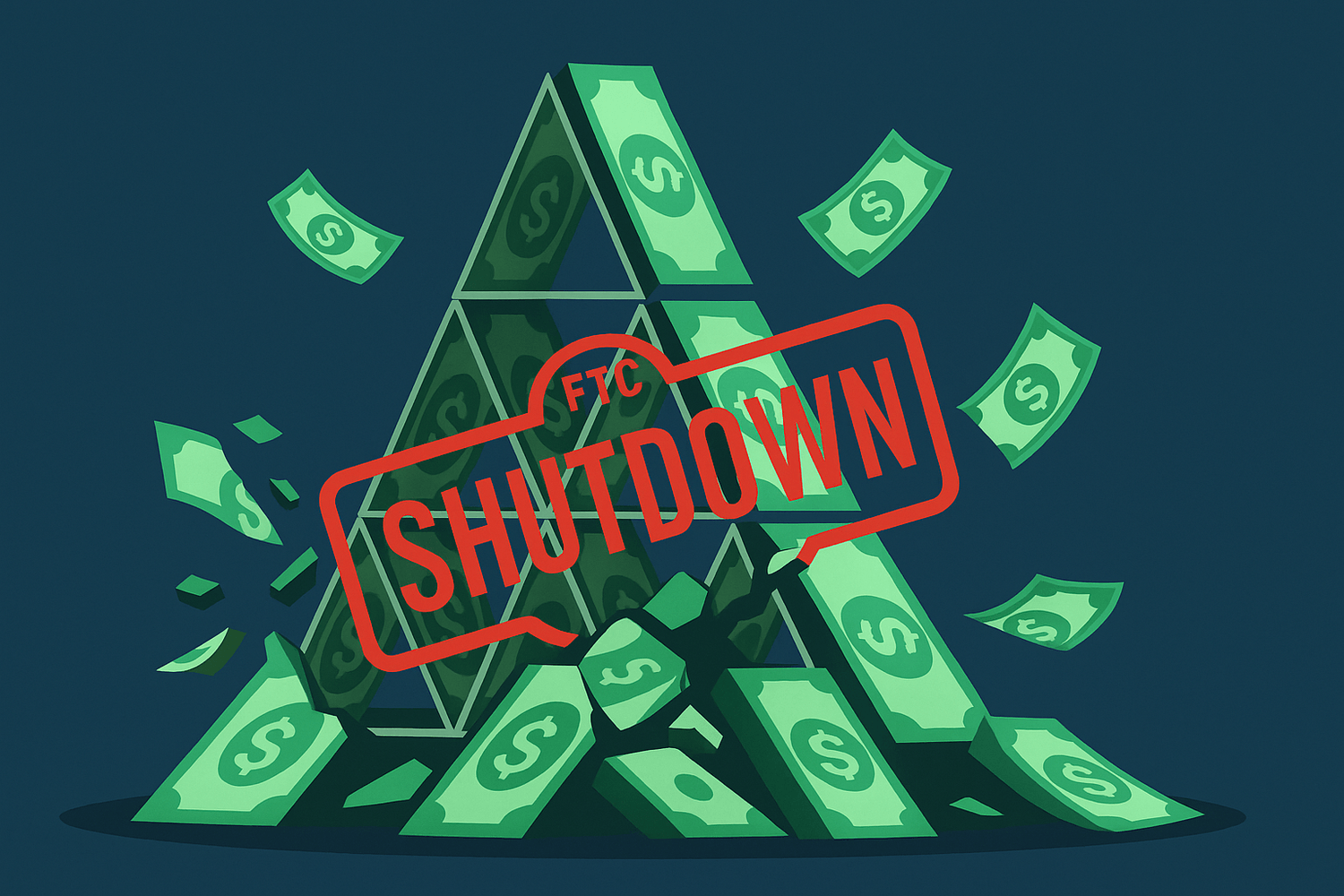
By 2020, the FTC (Federal Trade Commission) shut MOBE down for deceptive practices, issuing millions in fines and banning top affiliates. The scandal severely damaged affiliate marketing’s reputation, leaving many to believe the model itself was a scam.
Affiliate Marketing Survives in 2025
Despite MOBE’s downfall, affiliate marketing didn’t die, it evolved. Today, the landscape is tougher but healthier:
Audiences are savvier. They expect proof, transparency and authenticity.
Regulators are stricter. Disclosure laws and consumer protections keep affiliates accountable.
Platforms are smarter. Google, Amazon and Facebook filter out spam and reward quality content.
Affiliate marketing in 2025 is no longer about hype. It’s about building trust and delivering real value.

How to Win with Affiliate Marketing Today
Success in affiliate marketing now depends on strategy, not shortcuts:
Promote real solutions. Choose products that solve problems, not empty promises.
Be transparent. Always disclose commissions. Remember, audiences reward honesty.
Educate, don’t just pitch. Tutorials, comparisons and case studies convert better than hype.
Diversify income. Don’t rely on one program, spread across trusted platforms.
Think long term. Build blogs, email lists and communities that grow your authority.
Affiliate marketing in 2025 is about creating digital assets that compound over time.

Affiliate Marketing Timeline
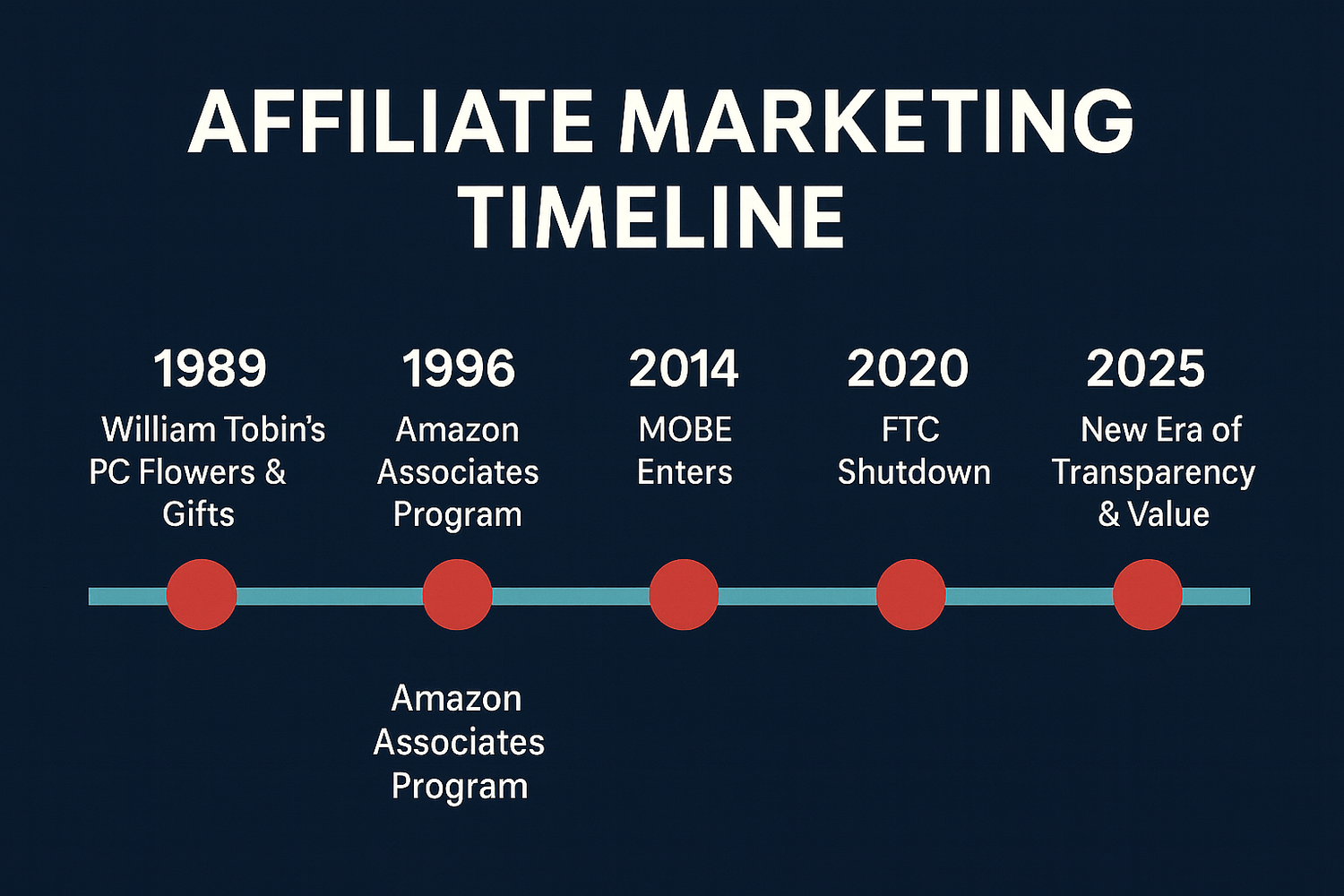
From William Tobin’s 1989 flower shop innovation to Amazon’s global breakthrough in 1996, affiliate marketing has seen both growth and collapse. The 2020 FTC crackdown reshaped the industry and by 2025 it has evolved into a smarter, more ethical model. Explore the timeline below to see how the journey unfolded:
Frequently Asked Questions (FAQ)
Yes. It remains highly profitable when you focus on products people need, build trust with your audience and publish content that drives consistent sales.
Some affiliates earn within weeks if they choose the right niche and high demand offers, but steady growth usually comes after months of consistent effort.
High ticket items in software, finance and premium education can pay big, while evergreen tools and services create reliable long term income. A smart mix works best.
Use tutorials, honest reviews and comparisons. People buy when they see proof and understand how a product solves their problem.
Yes. Many affiliates replace their jobs by diversifying programs, scaling content and focusing on long term traffic like blogs and email lists.
Chasing low quality offers for quick commissions. It destroys trust and stops you from building an audience that keeps buying.
Conclusion
From Tobin’s flower shop in 1989 to Amazon’s global expansion to MOBE’s collapse, affiliate marketing has endured cycles of innovation and abuse. It nearly died, but today it is thriving again for those who focus on value.
The lesson is timeless: integrity creates longevity. If you promote with honesty, teach instead of trick and think long term, affiliate marketing can become not just a side hustle, but a sustainable business that grows year after year.


The Money Hacker