
Why Sonia Gandhi is Still Important for India
Sonia Gandhi turns 79 years with people still arguing about her name every single day. That alone shows something. Many leaders trend for one cycle then fade. Her story keeps coming back whenever India talks about welfare, coalition politics or the future of the Congress. She stepped into public life after deep personal loss, carried a party through big wins and brutal defeats and stayed in the background while pulling heavy weight in Delhi. That mix of distance and control still shapes how power moves in today’s politics, which is why her relevance refuses to die.
Impactful Leadership
Sonia Gandhi did not grow up inside Indian politics. She came from a small town in Italy, married into the Nehru Gandhi family and stayed away from campaigns for years. That changed in the late 1990s when the Congress was breaking from inside and losing ground nationally. She took over as party president in 1998 and stayed in that position for almost two decades, making her the longest serving chief in the party’s history (Hindustan Times, December 16, 2017, Sonia Gandhi’s 19 years as Congress president: From husband Rajiv’s death to son Rahul’s elevation)
During that stretch the Congress saw both its strongest and weakest moments. It led the United Progressive Alliance (UPA) to power in two national elections. It also crashed to record lows later. Through all those swings she stayed the constant center of gravity inside the organization. That kind of continuity matters for a party that still sits at the core of the opposition space in India.
Mamdani-Duwaji Craze and Opportunity for Digital Creators is an article on this type of popular and impactful leadership. You can read for further reference.
Welfare Ideas That Changed Everyday Life
If Sonia Gandhi mattered only inside party rooms, this story would stay narrow. Her bigger imprint came through welfare and rights based laws. Writers and policy workers who sat with her in the National Advisory Council credit her for backing schemes like the rural job program MGNREGA, the Right to Information Act, the Right to Education law and the National Food Security Act as a connected social protection vision (Scroll.in, January 4, 2018, A champion of India’s poor: Sonia Gandhi’s most valuable, and least acknowledged, contribution)
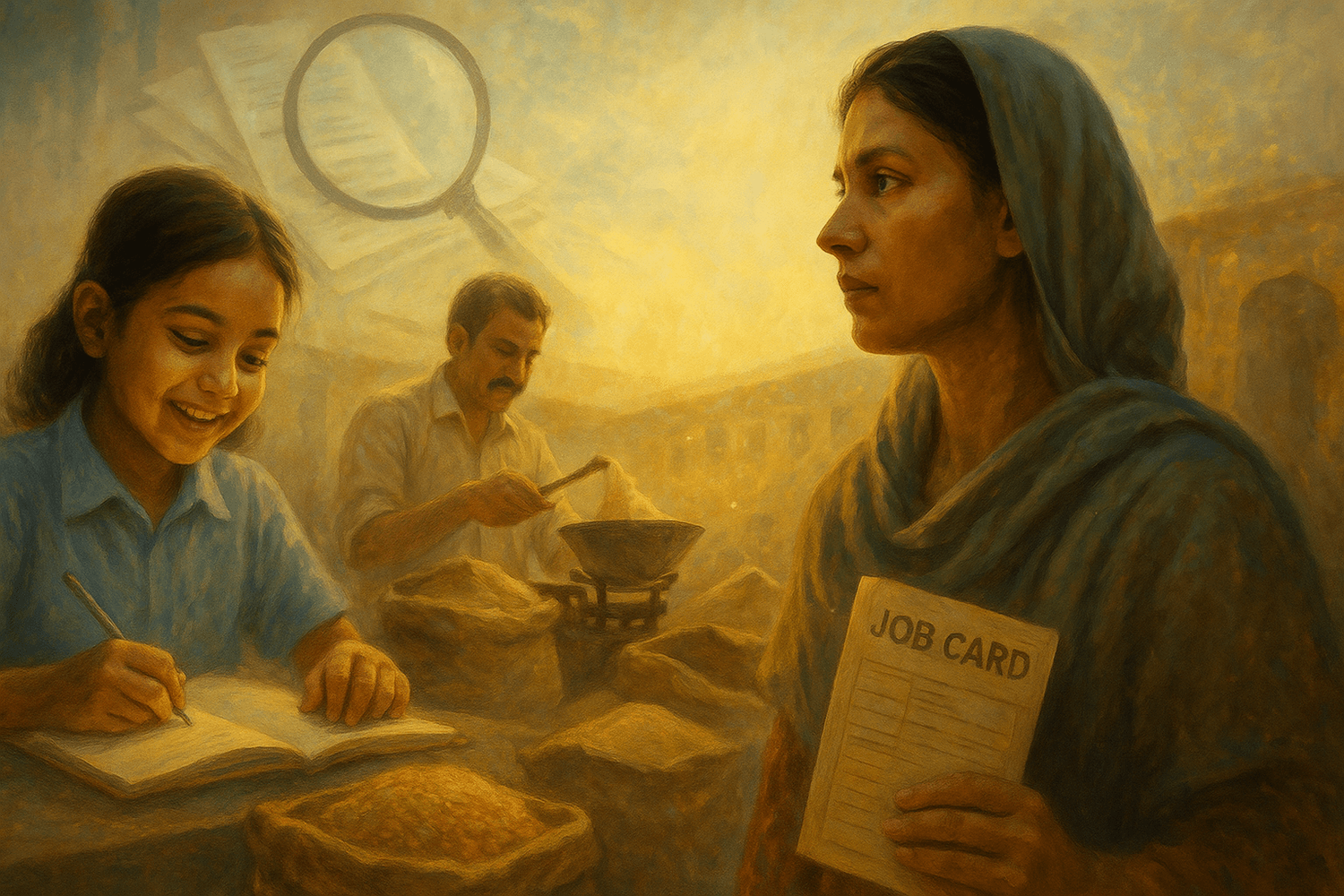
These laws did not stay as simple slogans. MGNREGA created legal backing for paid work in villages. The food security law locked in cheap grain for hundreds of millions of people. The information law gave citizens tools to question local officials. People can debate how well each scheme runs today. Still, millions touch some part of this welfare stack whenever they stand in ration queues or apply for job cards. That is a deep legacy, not a moment trend.
Her Words on Work, Dignity and Crisis
Sonia Gandhi has also tried to defend these programs directly in public writing. During the Covid period, she argued that MGNREGA is a powerful way to move money into the hands of rural workers when everything shuts down. She called it a radical but rational change because it gives poor households a legal right to work and lifts them from hunger through wage income, not charity (The Indian Express, June 8, 2020, Sonia Gandhi writes: This isn’t BJP vs Congress… use MNREGA to help people of India)
That language shows how she frames politics. For her, welfare is not only about free benefits. It is about rules, dignity and long term protection for those who sit at the bottom of the income pyramid. As long as debates on poverty, climate stress and rural work stay active in India, that lens keeps her voice relevant even when she holds no cabinet post.
The Prime Ministership She Refused
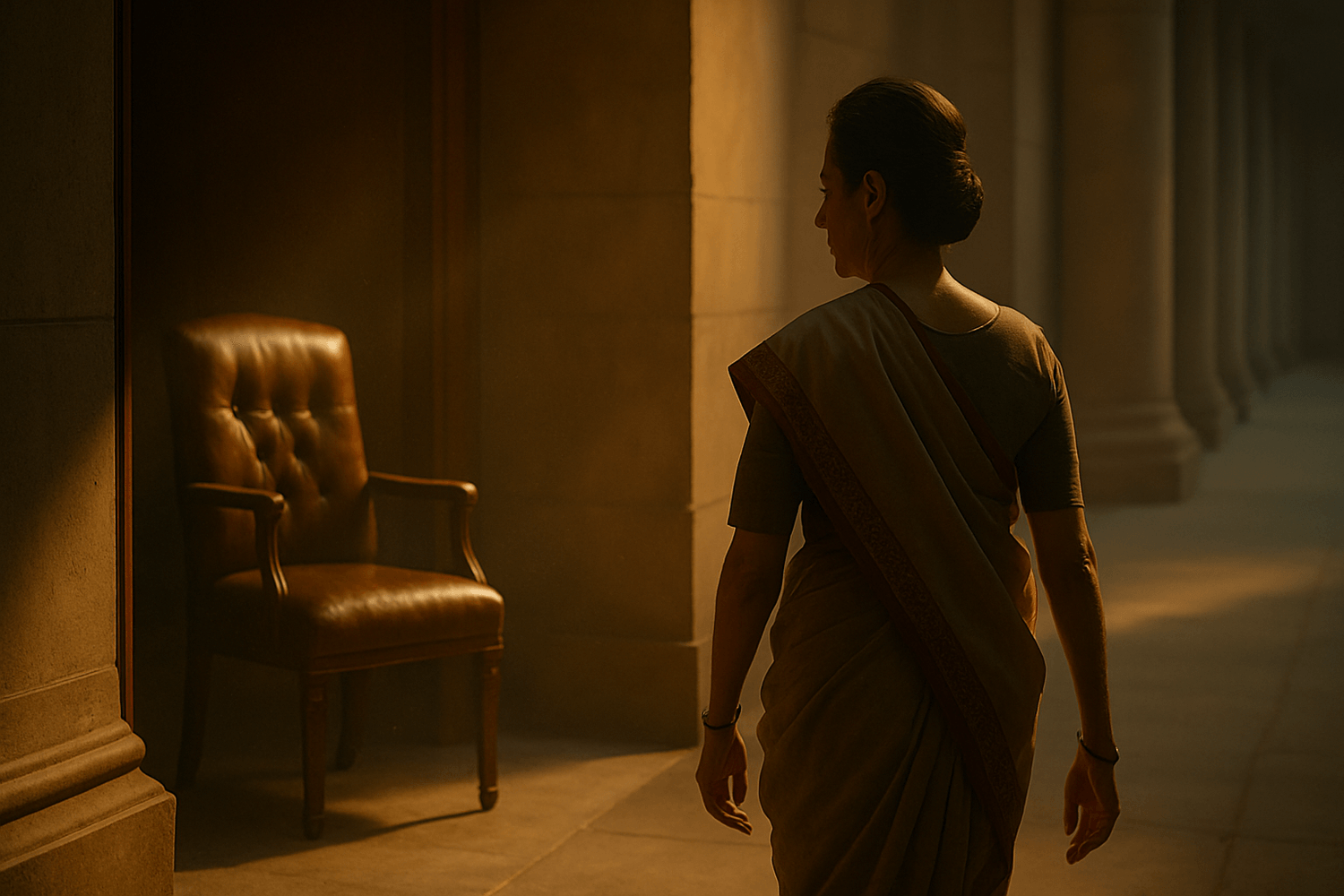
One of the most talked about decisions in modern Indian politics came in 2004. After the Congress surprised many observers with its election win, Sonia Gandhi looked like the automatic next prime minister. Instead she stepped back and told party members that she would not take the job, speaking about inner voice and conscience while declining the position in public (The Guardian, May 18, 2004, Sonia Gandhi declines Indian prime ministership)
Supporters treat this as proof that she does not chase power for its own sake. Critics say it let her hold influence without direct accountability. Both views still shape how people read every move from the Congress high command. That single decision also opened the road for Manmohan Singh as prime minister and created a different power balance in Delhi for a full decade.
Quiet Influence in a Loud Era
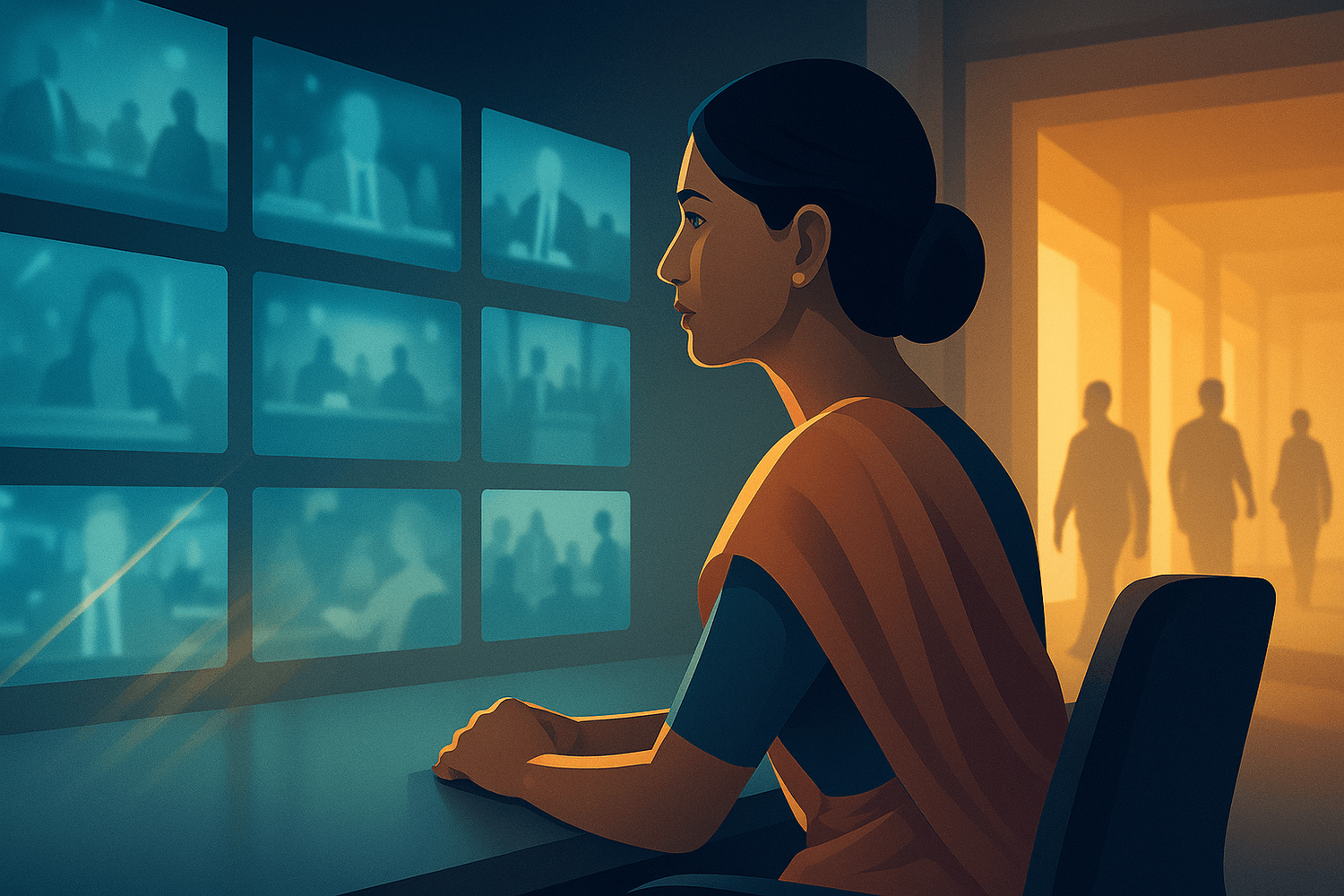
India now runs on 24/7 noise. Clips trend fast, then disappear. Sonia Gandhi rarely plays that game. She speaks little in public, appears mostly during key Parliament moments and lets others take the main camera space. Yet party leaders, allies and opponents still watch her signals when coalitions form or when candidate lists close. Her long years as Congress chief give her deep knowledge of state units and local power players, which keeps her useful for back channel talks even when Rahul Gandhi leads the front line campaign.
Her image as someone who pushed hard for social legislation also keeps her relevant in global conversations on welfare, hunger, rights and climate justice. International think tanks, media and activists still read her period in power as a case study in mixing market growth with rights based safety nets for vulnerable groups. That memory shapes how India gets discussed outside its borders.
Why Her Importance Will Not Fade Soon
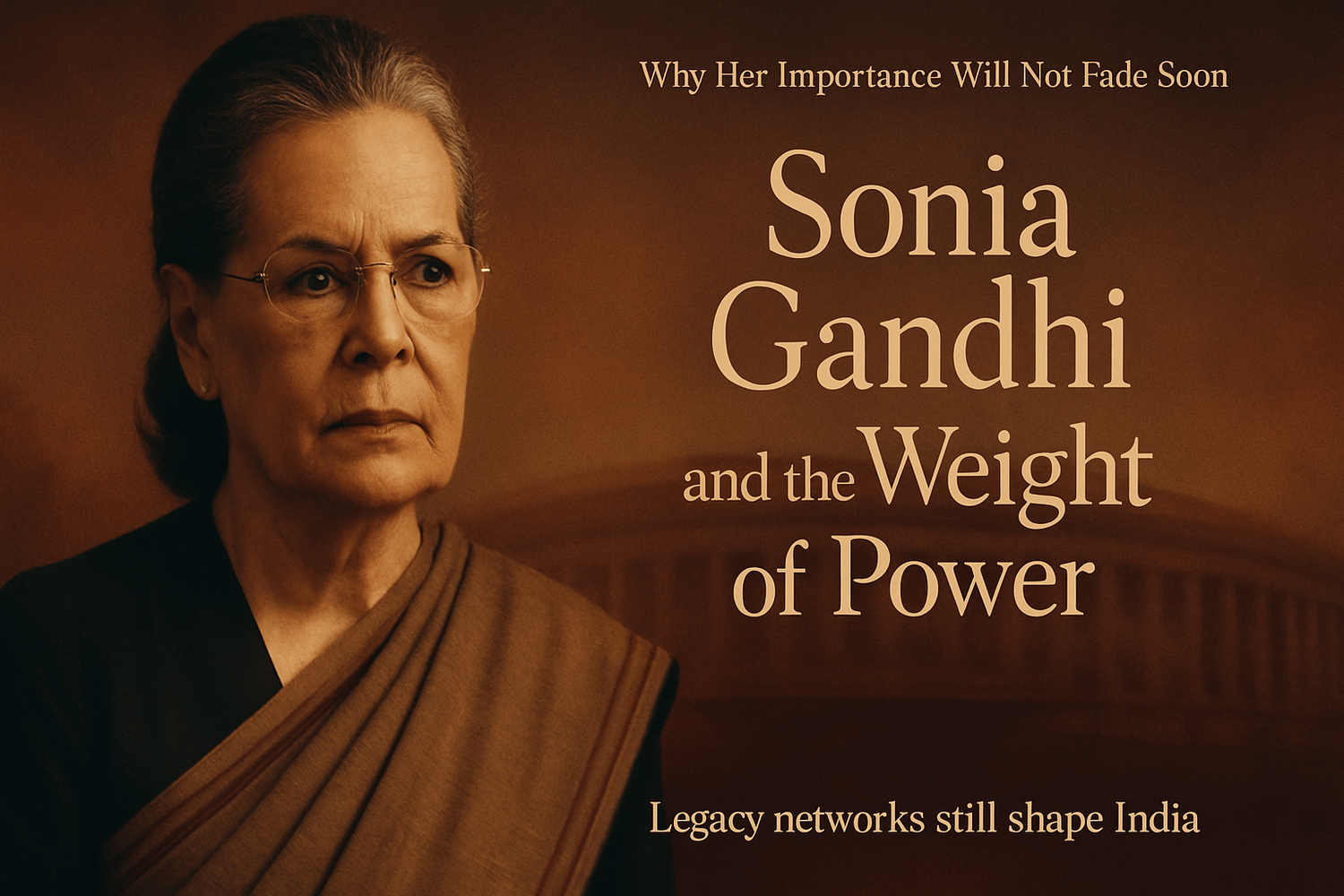
Sonia Gandhi sits at the intersection of many Indian debates. She represents dynasty politics but also long grind leadership. She carries a foreign origin story but also a life spent inside the Indian system for decades. She backed welfare laws that lifted millions and led a party that later struggled badly. This mix makes her a symbol for both hope and frustration, which keeps conversation around her alive.
For the Money Hacker reader, the key point is simple. Power in India does not live only in formal titles. It lives in networks, memories, laws and stories that still guide choices. Sonia Gandhi helped build parts of that deeper operating system through welfare ideas, coalition moves and one big refusal of the top job. That is why her name still matters for anyone trying to understand how India thinks about leadership, fairness and the price of power.
Takeaway for Freelancers and Digital Creators
Freelancers and digital creators gain something valuable from Sonia Gandhi’s story. Her journey shows how steady work builds influence even without loud visibility. That lesson matters in a world filled with noise. Real growth comes from consistent effort that compounds over time. Her leadership also highlights the power of long term thinking. She backed ideas that helped millions rather than chasing quick applause. That mindset gives freelancers a clear reminder. Focus on durable value and not on fast trends.
Digital creators can learn from her approach to decision making. She stepped aside from the prime minister role because she believed the country needed stability. That move teaches an important lesson. Sometimes the smartest choice is the one that preserves energy and improves direction. This insight matters for any creator who feels pressure to do everything. Pick paths that elevate the work and strengthen the future.

Her influence in welfare reforms also carries a message for online workers. Policy creates space for opportunity. A stable environment helps people experiment with new income ideas. Freelancers thrive when systems protect dignity and reduce uncertainty. Her work helped strengthen that environment. That link shows why social understanding is essential for anyone building a digital career. Freelancing grows faster when society supports fairness, clarity and accountability.
As freelancer, How Political Aesthetics Became a Creator Currency is a must read article for you in this perspective. As freelancer, How Political Aesthetics Became a Creator Currency is a must read article for you in this perspective. If you are interested to make content on these types of politically influential personnel, you should join $100K Money Hackers . Here you will get all of your required tools to make readers friendly content. You can also excess The Quick $750 Hack if you want to make money very quickly out of those contents. It is normally of $49 Value. But for readers of The Money Hacker Blog, the discount is 100%!
Frequently Asked Questions (FAQ)
Consistent output builds familiarity and respect. Small wins stack into long term credibility. This slow climb shapes real influence in crowded spaces.
A strong lens filters noise and protects creative direction. It keeps work meaningful during fast shifts. It also helps content stand out in busy feeds.
Quiet focus builds long term strength. Hidden effort sharpens skill and stability. Calm action often beats attention chasing.
A big picture mindset protects mental space. It guides smarter choices during pressure. It also supports sustainable growth across hard cycles.
Power structures shape economic flow and digital opportunity. A clear view helps creators plan ahead. It also supports smarter career moves in shifting markets.
Strong public systems create predictable environments. Predictability helps creators test ideas with less fear. This stability supports creative risk and steady progress.
Conclusion
Sonia Gandhi remains important for India because her choices shaped the country far beyond one political moment. Her influence touched welfare, identity, leadership and the quiet mechanics of how power moves across a vast and unequal nation. Her journey began with doubt and debate, yet her impact reached households that needed stability and rights more than theories or promises. India keeps changing fast but the questions she raised about dignity, fairness and responsibility still sit at the center of national life. Her story invites a simple reflection for the future. Every generation must decide what kind of leadership it wants and what kind of courage it is willing to honor.
Happy Birthday Sonia Gandhi, the Leader of Quiet Strength!


The Money Hacker