
ARC Raiders Chaos on Christmas Morning and Digital Trust
Christmas morning promised calm playtime and shared excitement for ARC Raiders players. Instead servers failed and access vanished during peak holiday hours. Anticipation turned into frustration as login screens replaced game play. That contrast ignited anger because time felt rare and planned. Confidence fractured faster than systems recovered. This article breaks down how the ARC Raiders outage exposed deeper cracks in digital trust across live service gaming.
Holiday Timing Changed Everything
Festive periods amplify emotion because time finally feels available. Christmas creates rare digital windows where play becomes shared ritual, not distraction. Planning replaces spontaneity. Expectations rise fast. When access fails during those moments, frustration multiplies because the loss feels scheduled and irreversible.
Reports confirmed widespread login problems and connection failures as players attempted to enter ARC Raiders during Christmas morning hours (MP1st, December 24, 2025, ARC Raiders Down and Having Server Issues on December 24). That timing reshaped perception. A weekday crash irritates. A holiday breakdown feels dismissive. The emotional gap widens because anticipation had social weight, not just entertainment value.

Money Hacker has shown how Christmas behavior runs on intention and planning, whether through gifting rituals or family centered scheduling (The Money Hacker, December 24, 2025, Gift Rules and Prompts for Christmas). The same pattern appears in holiday economics where limited free hours carry pressure and meaning (The Money Hacker, December 22, 2025, Busy Moms in Christmas Economy). When digital systems interrupt those moments, disappointment sharpens. The issue stops being code quality and becomes respect for time, coordination and shared experience.
What Actually Happened
ARC Raiders did not go offline quietly. Players reported sudden login failures, stalled matchmaking and repeated network timeout errors during Christmas morning. Many were blocked before reaching menus, while others disconnected mid attempt. The issue appeared simultaneously across regions, which signaled a back end or service level disruption rather than isolated user side faults.
A media report noted a sharp spike in outage complaints during the same window, confirming the scale of disruption affecting active players (Hindustan Times, December 25, 2025, Why ARC Raiders, Fortnite are down today. How to solve network timeout art00004 error?).

What intensified frustration was uncertainty. Without immediate clarity, players refreshed screens and social feeds searching for answers. The breakdown felt larger than a technical hiccup because no clear narrative arrived fast enough to contain it.
Silence Fuels Chaos
When systems fail, information must move faster than speculation. A short press briefing or clear release anchors reality. Without guidance, confusion grows and false narratives spread quickly.
Analysis of the global Facebook outage showed how delayed clarity intensified mistrust and highlighted public dependence on digital platforms (Cyber Daily, October 5, 2021, Global Facebook outage shows overreliance on the social network, analysts suggest).
Timely updates calm communities. Transparency reduces panic. Speed preserves credibility before noise reshapes the story.

Repeated Downtime Alters Behavior
Repeated instability reshapes decisions before it changes headlines. After one outage, players retry. After another, planning fades. Sessions become spontaneous. Commitment weakens. People stop inviting friends because reliability feels uncertain and shared moments feel risky.
PC Gamer documented earlier ARC Raiders outages where queues blocked entry and access returned only after delays (PC Gamer, November 26, 2025, Yes, Arc Raiders servers are down Update We’re back). That pattern mirrors what Money Hacker observed during wider platform failures, where users gradually reduce dependence to protect time focus and emotional energy (Money Hacker, October 22, 2025, AWS Outage Takeaway for Digital Creators).

Trust Became the Real Product
Live service games run on silent agreements. Access stays open. Progress stays safe. Communities keep moving. When uptime breaks, value drops immediately because reliability is part of what players are paying for, even when the game is free.
Across digital platforms, credibility damage often outweighs missing features or temporary flaws. Once doubt enters, emotional investment shrinks. Players stop planning sessions and stop believing promises. That erosion happens quietly, but reversing it takes far more effort than fixing a server.

Creators Face the Same Exposure
This issue reaches beyond gaming into the creator economy. Online builders depend on platforms outside personal control, so one failure can erase income, reach and momentum in hours. That vulnerability stays hidden until disruption hits.
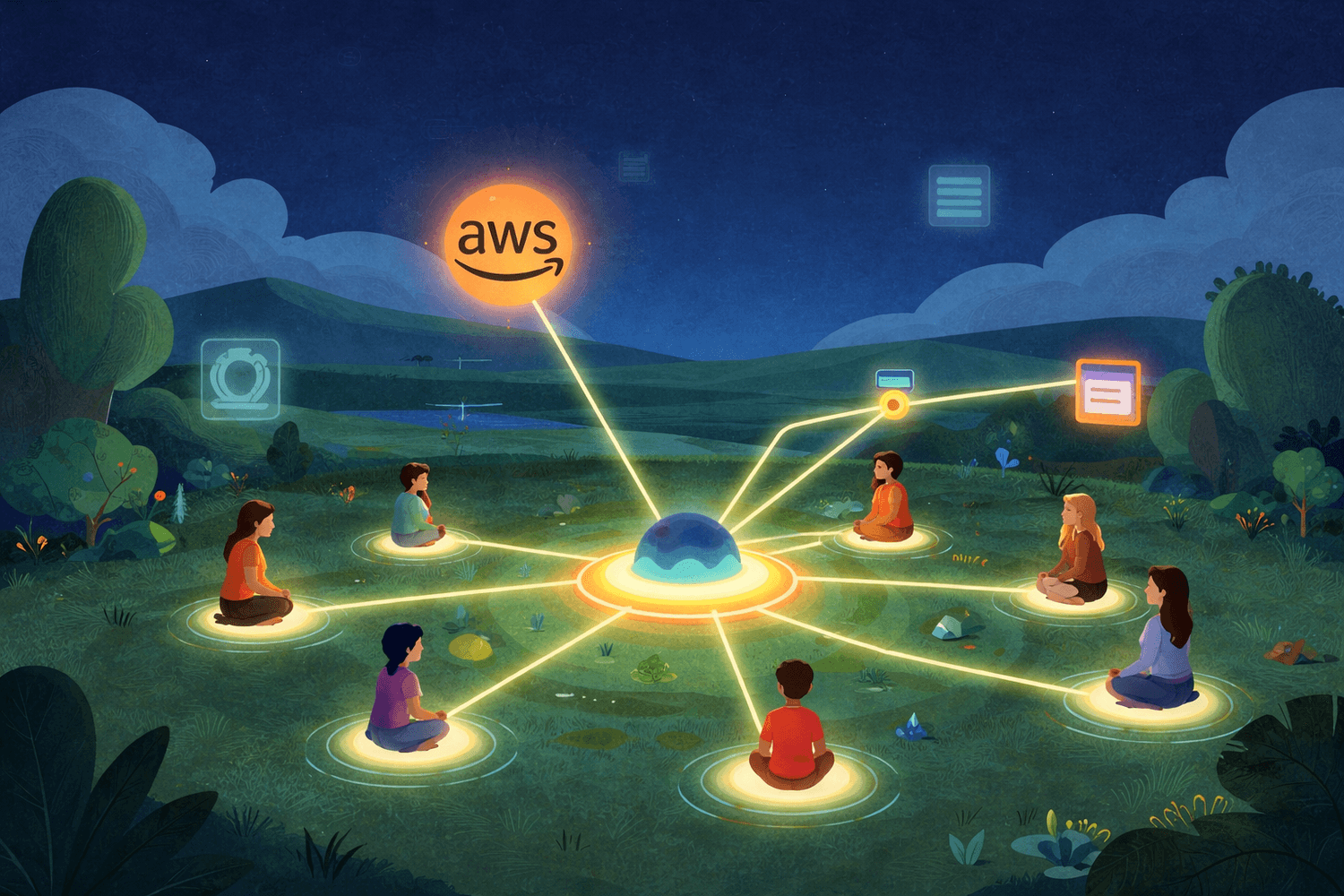
A Reuters report on a major AWS outage described how failures at core cloud infrastructure can disrupt many digital services at once, exposing how much modern business relies on a small set of providers (Reuters, October 20, 2025, Amazon says AWS cloud service is back to normal after outage disrupts businesses worldwide). Money Hacker highlights why spreading earning channels protects stability when systems fail unexpectedly (The Money Hacker, December 12, 2025, 11 Websites That Pay You Daily to Work from Home).
Infrastructure Shapes Experience
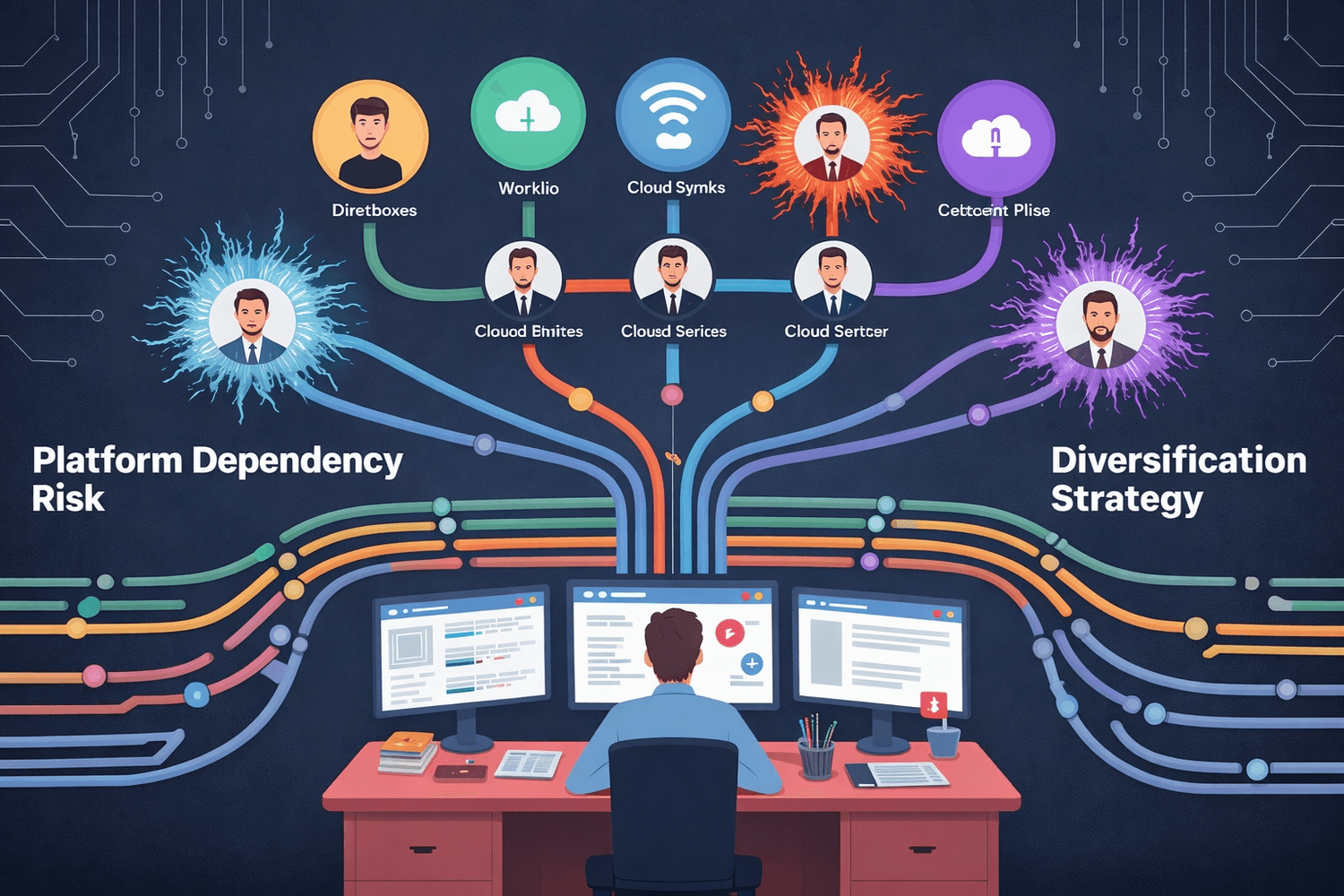
Behind every outage sits an infrastructure choice. Capacity planning, traffic forecasting and load balancing decide whether systems bend or break. Holiday surges are predictable. Failure usually reflects preparation gaps, not surprise demand. When scaling is reactive, users feel instability immediately, even if fixes arrive fast.
Wired has explained how modern internet services remain fragile under sudden demand spikes, with reliability often depending on a few stressed systems rather than redundancy (Wired, March 3, 2022, The Internet Is Not as New as You Think). Money Hacker has shown how hosting models directly affect uptime and performance during peak traffic moments (Money Hacker, September 22, 2025, Cloud Hosting vs Web Hosting for Starting a Blog).
Players never see servers. Outcomes are felt instantly.
What Rebuilds Confidence
Fixes restore access. Responses shape memory. How a platform reacts often matters more than how fast systems recover.
Effective patterns stay simple:
Fast acknowledgment
Consistent updates
Honest timelines
Clear explanations
Visible accountability
These signals show respect. Respect rebuilds belief. Loyalty returns when communication feels human and dependable.
For gaining confidence, you need to learn and you should have the proper tool to move on. To equip yourself more, you can join $100K Money Hackers. Here you will get 35 AI tools for just $1/month. They will help you in your online business, dating life, fitness journey, to have fun and so much more! Be with the Skool Community and enjoy your time.
If you want to earn money quickly by any means in online domain, , access The Quick $750 Hack. It is completely free for you. Remember, your financial freedom is our commitment.
In any case, be aware of scams. It can destroy all your good efforts within no time. For identifying scam, you can use Freelance Scam Detector AI. Just drop the project link or post and it will analyze the client, payment terms and contract risks saving you from fake offers and shady deals.
Frequently Asked Questions (FAQ)
Holiday hours carry emotional weight. Planned playtime feels rare and shared. When access breaks, frustration rises fast because moments cannot be rescheduled.
Reliability shapes behavior over time. Repeated failures reduce planning and social invites. Confidence fades before attention does.
Platforms remain fragile during traffic spikes. Income and reach depend on stability outside personal control. Backup channels protect momentum.
Lack of updates fuels speculation. Clear communication slows panic. Transparency preserves credibility even before systems recover.
Multiple income streams spread exposure. Email lists and owned audiences add control. Stability grows through distribution.
Consistent uptime builds belief. Honest response builds memory. Respect for time keeps communities loyal.
Conclusion
Outages end yet impressions stay. Christmas disruption revealed how quickly confidence can fracture. Recovery depends on honesty care consistency. Platforms thriving ahead will protect moments, not just systems. Reliability becomes respect. When trust holds, communities stay. When silence follows failure, the cost grows far beyond downtime.


The Money Hacker