
Simone Biles, Animal Rights and Creator Responsibility
One post can change everything. Praise turns into pressure. Curiosity shifts into judgment. A famous athlete, a puppy and animal rights collided online. Emotion moved faster than facts. Influence suddenly felt heavy. This moment shows how visibility reshapes responsibility in the digital age. This article breaks down the controversy, the ethics behind it and what it means for creators today.
A Post That Spark a Storm
When images of Simone Biles with a Doberman puppy appeared online, attention surged fast. Critics focused on the dog’s cropped ears. Animal welfare advocates argued the procedure causes unnecessary pain and serves appearance over health. The reaction spread across news sites and social platforms within hours.

People for the Ethical Treatment of Animals (PETA), an international animal rights organization that campaigns against animal cruelty, publicly criticized the situation and framed it as part of a wider animal welfare concern rather than a personal attack. The coverage explains how cosmetic procedures on pets are becoming flashpoints in modern ethics debates (Newsweek, December 18, 2025, PETA slams Simone Biles over new puppy).
After the reaction, the discussion shifted from the athlete to the broader issue of acceptable animal care. That shift matters because it shows how quickly narratives detach from individuals and attach to values.

Serious Criticism All Over
The reaction did not stay limited to comment sections. Within hours, animal lovers and welfare advocates filled social platforms with criticism. Many Instagram users focused on the choice of buying a purebred dog instead of adopting from a shelter. Others questioned the ethics of cosmetic procedures on pets. Emotions ran high and personal stories surfaced quickly. What began as a photo soon turned into a wider conversation about ethical pet ownership and influence online.
A lifestyle media report noted how fans responded strongly after images showed Simone Biles and her husband with a Doberman puppy that appeared to have cropped ears. Commenters expressed concern and disappointment while linking the moment to broader animal welfare values (CafeMom, December 21, 2025, Simone Biles Blasted by Animal Rights Groups).

The reaction soon crossed into mainstream entertainment coverage. Several outlets framed the backlash as part of a cultural shift where public figures are expected to meet higher ethical expectations. The image mattered because it carried symbolic weight for millions of followers. Commentators argued that visibility brings responsibility, especially when lifestyle choices intersect with evolving views on animal care.
What Ear Cropping Really Is
Ear cropping involves surgically altering a dog’s ears, often during early life stages. The procedure has roots in breed standards rather than medical need. Many veterinary groups now oppose it because benefits lack scientific backing.
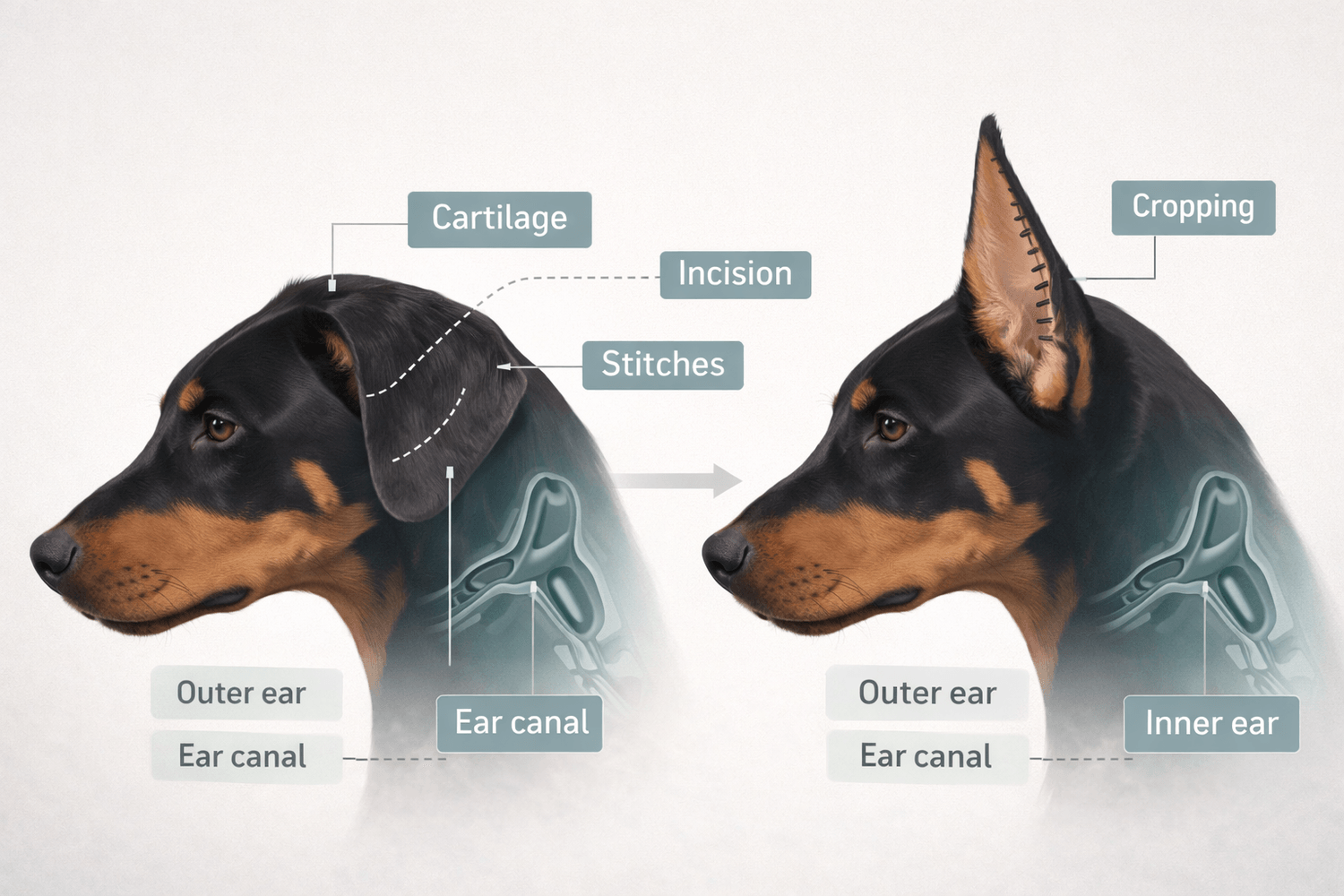
The American Animal Hospital Association states that ear cropping and tail docking are cosmetic and carry pain risks without health advantages (American Animal Hospital Association, June 1, 2021, Ear cropping and tail docking).
This stance reflects a wider shift inside veterinary science. Welfare now outweighs tradition. Evidence replaces aesthetics. That change fuels public backlash when old practices appear in modern feeds.
Global Laws Shape Global Reactions
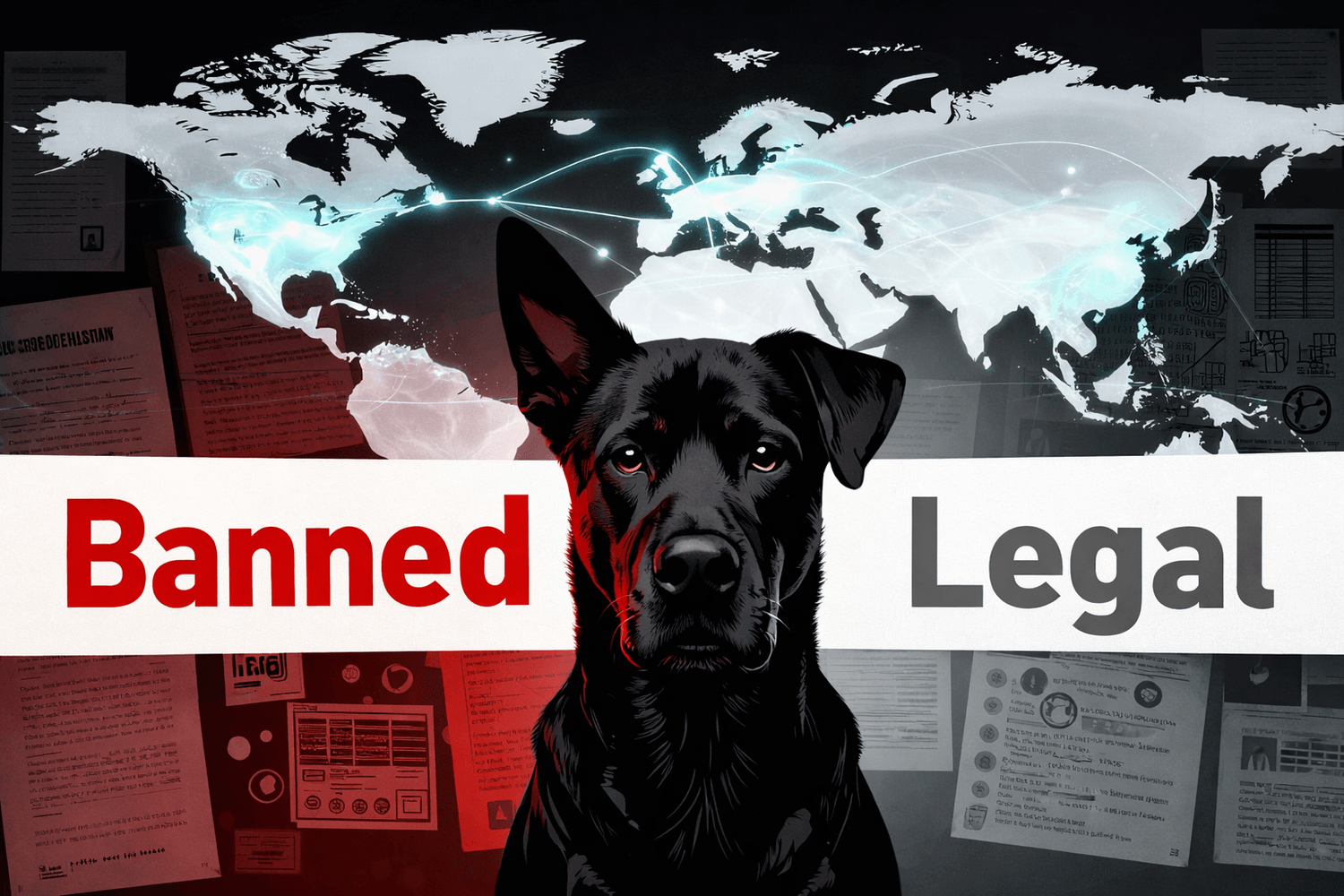
Animal welfare laws differ sharply across countries. In several European nations, ear cropping is banned outright. Import rules also restrict altered animals. In the United States, legality varies by state, creating confusion when content travels globally.
The UK recently strengthened laws targeting ear cropping and declawing to reduce cruelty (RSPCA, November 25, 2025, Tough new law will help see the end of cruel dog ear cropping and cat declawing).
Because social media has no borders, legal differences collapse into moral judgment. What feels normal in one place appears harmful elsewhere. That clash fuels outrage cycles online.
Creators Responsibility and the Digital Economy
Creators today shape opinion faster than institutions. That power comes with choice. Animal rights conversations sit at a point where ethics, attention, and income intersect. When handled with clarity, creators can stand against harmful practices while still growing reach and revenue.
a. Taking a Clear Ethical Stand
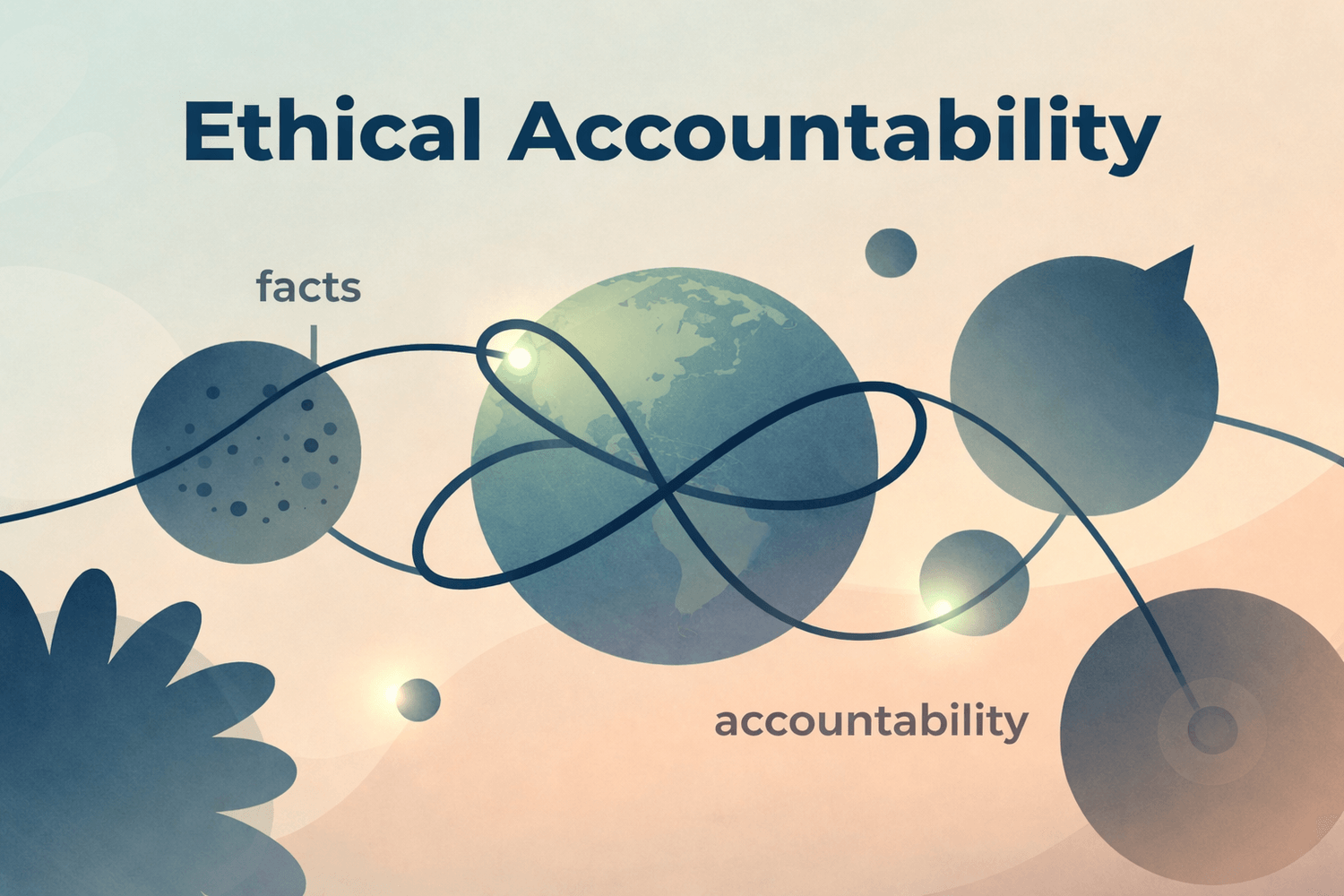
Creators influence norms by what they explain and what they refuse to normalize. Speaking against animal rights violations does not require outrage. It requires consistency. Content rooted in care, facts, and accountability builds long term authority. Ethical positioning also signals values to audiences who care deeply about humane choices. Money Hacker has explored how advocacy focused content can align purpose with digital impact when creators choose clarity over chaos (The Money Hacker, December 11, 2025, Protecting Human Rights in the Creator Economy).
That same principle applies to animal welfare. Values travel when they feel sincere.
b. Turning Awareness into Sustainable Reach
Animal welfare content spreads because it triggers empathy and reflection. Platforms reward posts that spark conversation and save value. Creators who frame issues thoughtfully often see higher retention and repeat engagement. Awareness driven posts can evolve into formats that audiences return to, which strengthens algorithm trust over time. Money Hacker shows how trends become income when creators understand timing, framing, and audience alignment (The Money Hacker, November 13, 2025, How Freelancers Turn Viral Trends into Real Income).
Buzz matters, but structure turns attention into stability.

c. Ethical Monetization That Feels Natural
Standing for animal rights does not block income. It reshapes it. Monetization works best when it reflects the message rather than interrupts it.
• Educational videos explaining welfare practices
• Long form content that builds authority and search traffic
• Partnerships with ethical brands and cruelty free services
• Community driven campaigns supporting adoption and care
These paths support income while reinforcing trust.

d. Responsibility Wins in the Long Run
Creators face pressure to chase fast views. Survival in the digital economy demands a different mindset. Longevity grows from alignment, not noise. Money Hacker has highlighted how creators who think beyond short term spikes build resilience in uncertain markets (The Money Hacker, December 23, 2025, Survival Thinking Freelancers Can Learn from Forefathers’ Day).
Ethical consistency becomes an asset. Audiences stay longer. Brands align easier. Growth feels earned.
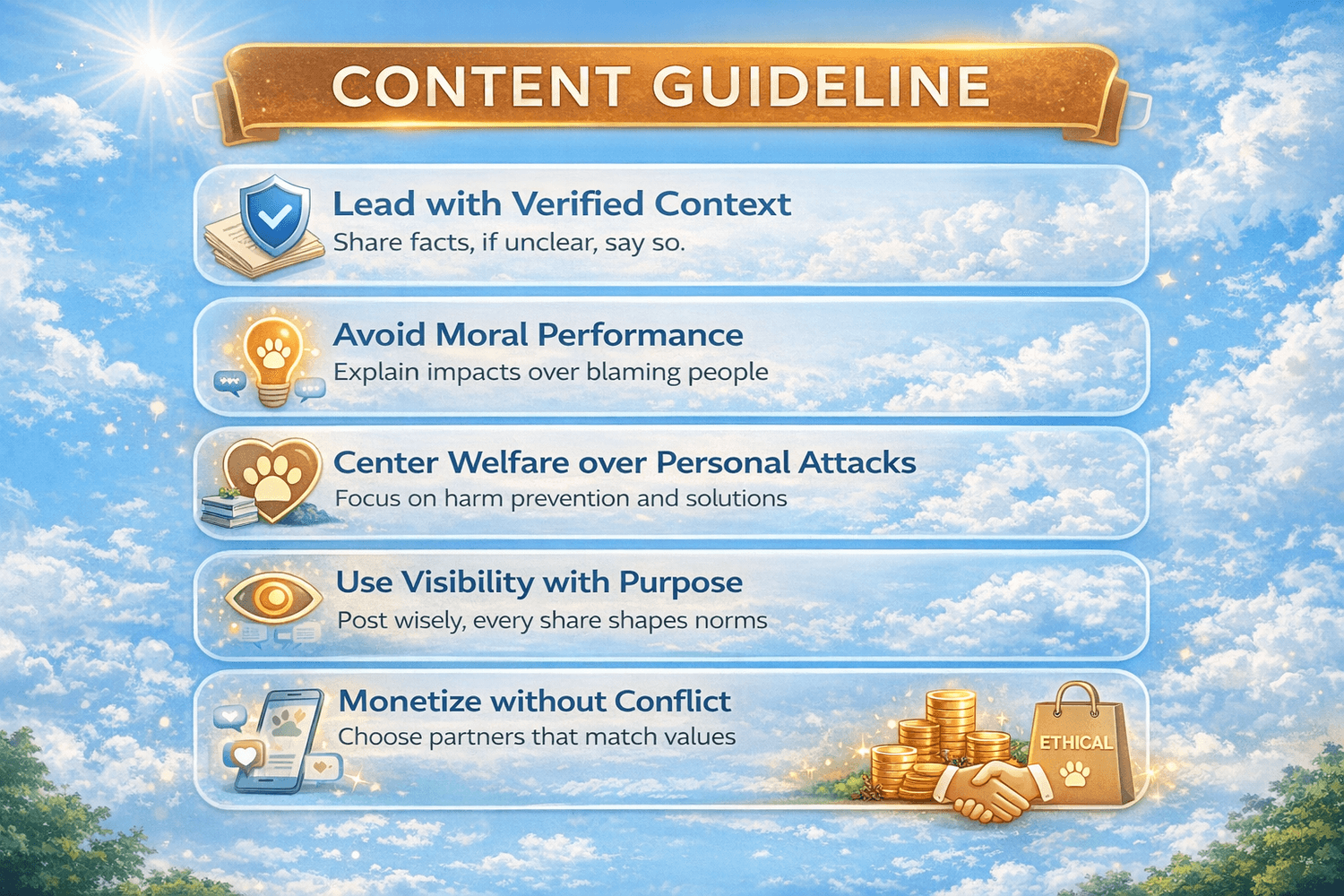
Content Guideline
Creators shape culture faster than policies. That influence needs structure. Clear guidelines help creators speak on animal rights without fueling harm or misinformation.
Lead with Verified Context
Posts should start with what is known, not what is assumed. Accuracy builds credibility and slows misinformation. When facts are unclear, say so. Audiences respect honesty more than certainty.
Avoid Moral Performance
Calling out without understanding creates noise. Focus on explaining practices and impacts rather than labeling people. Education travels further than outrage.
Center Welfare over Personal Attacks
Animal rights content should highlight harm prevention, care standards and ethical choices. Shifting focus from individuals to systems keeps discussion productive and respectful.
Use Visibility with Purpose
High reach can normalize behavior quickly. Creators should consider how images, captions, and tone may influence followers. Every post teaches something, even without intent.
Monetize without Conflict
Earning from ethical content works when alignment stays clear. Choose partnerships and formats that match values. Audiences disengage when money feels louder than meaning.
Review Before Posting
Pause first. Quick checks reduce future fallout.
• Facts confirmed
• Intent clear
• Tone humane
• Values reflected
Strong standards protect credibility, expand influence and sustain progress within the creator economy.
If you are interested to create contents on YouTube and you need proper guideline, $10K YouTube Starter Blueprint is a perfect tool for you. This is the ultimate blueprint to make $10,000 using YouTube, even if you are a beginner.
If you want to create flawless written content with ChatGPT, use tool like 620 ChatGPT Prompts for Copywriting. Using this bot, you will be able to create sales pages, emails & ads in minutes.
To equip yourself more with different highly valuable tools, you can join $100K Money Hackers. Here you will get 35 AI tools for just $1/month. They will help you in your online business, dating life, fitness journey, to have fun and so much more!
Frequently Asked Questions (FAQ)
The incident showed how fast private content becomes ethical messaging. Visibility amplifies meaning beyond intent. Creators learned influence now carries accountability across global feeds.
Ethical subjects shape audience trust and platform signals. Thoughtful handling improves retention and brand safety. Careless framing invites backlash and lost momentum.
Missing context invites assumptions. Comment piles fuel anger fast. Algorithms boost conflict. Quick clarification limits damage.
Education based posts earn search traffic over months. Ethical partnerships fit narrative and pay better.
Use verified sources first. Explain welfare impacts with calm language. Aim at practices not people.
Every upload teaches norms. Consistent standards reduce backlash risk. Audience memory rewards steady care. Long game builds durable influence.
Conclusion
The Simone Biles controversy is not about canceling a champion. It is about how digital influence works in real time. Animal rights debates will only intensify as global standards evolve. Creators now operate inside that shift whether prepared or not. Personal moments carry public weight. Ethical awareness becomes part of the job. Those who adapt early protect trust, relevance and long term impact. In the attention economy, responsibility is not optional. It is strategic survival.


The Money Hacker