
Dementia Does Not Care About Your Career
Updated on: Tuesday, December 23, 2025
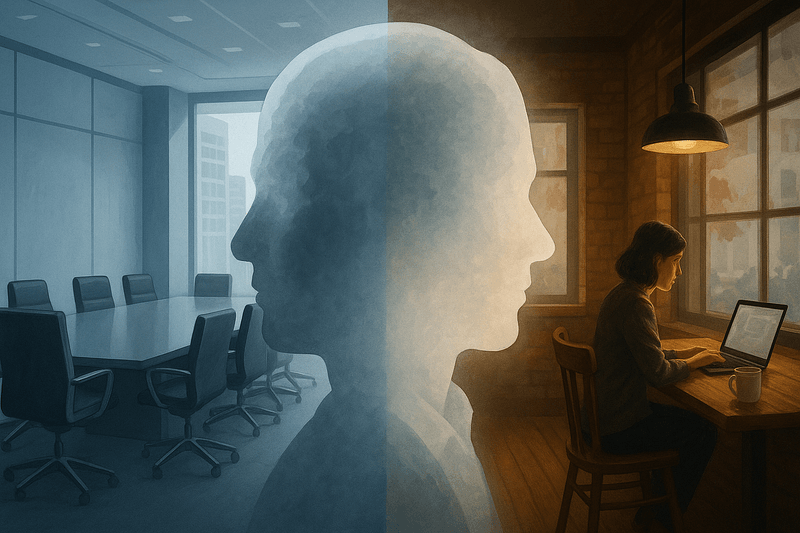
A career collapse does not always begin with layoffs or market downturns. Sometimes it starts with silence. A deadline slips, an invoice is forgotten, a meeting fades from memory. What looks like fatigue or distraction is often something deeper and it is very well known as dementia. It does not care about your title. Whether you are a 9-5 worker chasing promotions or a freelancer building independence, once memory loss takes hold, the income, stability and growth of your career begin to unravel.
What is Dementia
Dementia is not a single disease but a broad clinical term used to describe a group of conditions that cause progressive decline in memory, thinking, reasoning and decision making. These cognitive changes go beyond normal aging and gradually interfere with daily functioning, independence and the ability to perform complex tasks. The World Health Organization defines dementia as a syndrome resulting from diseases of the brain that affect memory, thinking, orientation, comprehension, calculation, learning capacity, language and judgment, making it one of the leading causes of disability and dependency among older adults worldwide (World Health Organization, March 31, 2025, Dementia).
From a neurological and functional standpoint, dementia reflects ongoing damage to brain cells that disrupt how information is processed and decisions are made. This decline often affects executive functions such as planning, problem solving and concentration, which are essential for professional performance in both structured jobs and independent work. The U.S. National Institute on Aging explains that dementia symptoms are severe enough to interfere with daily life and work activities, with memory loss, impaired reasoning and difficulty managing tasks being among the most common early indicators (National Institute on Aging, May 17, 2023, What Is Dementia?).

Dementia in the Corporate World
Corporate careers rely on consistency, focus and reliability. Teams function because employees hit deadlines, manage data and maintain attention. But dementia disrupts that system from within. A project manager forgets critical milestones. A marketer struggles to recall campaign details. An analyst misplaces data that once came naturally.
For companies, this creates declining productivity and rising costs. For employees, the loss cuts deeper. It undermines identity, stability and the return on investment (ROI) of decades spent climbing the career ladder. The very skills that once secured promotions become fragile when cognitive decline begins to interfere.

Freelance and Self Employed Careers
Freelance and self employed careers are often framed as freedom from rigid systems, but this independence also removes the buffers that protect workers when cognitive performance slips. There is no HR support, no paid medical leave and no institutional memory to catch errors. A freelancer’s business lives entirely inside their mind. Memory, clarity, consistency and self management are not optional skills. They are survival tools. This fragility is why long term resilience matters more in independent work, a reality often discussed in the context of mental pressure and decision fatigue faced by solo professionals (The Money Hacker, December 23, 2025, Survival Thinking Freelancers Can Learn from Forefathers’ Day).
When dementia or early cognitive decline enters this equation, the damage is immediate and visible. Missed calls, forgotten deliverables or repeated clarifications do not register as medical issues to clients. They register as unreliability. In freelance economies, trust is currency and once it cracks, recovery is rare. Projects slow, referrals stop and income can collapse in weeks rather than years. This is especially dangerous in trend driven or performance based income models, where staying sharp and responsive is the foundation of earning potential (The Money Hacker, November 13, 2025, How Freelancers Turn Viral Trends into Real Income).

Universal Career Equalizer
Dementia is the ultimate career equalizer. It spares no profession, status or income level. When cognitive decline begins, performance erodes, income weakens and long term security collapses. Even the most powerful roles are not immune. Retired U.S. Supreme Court Justice Sandra Day O’Connor publicly disclosed her dementia diagnosis and withdrew from public life, demonstrating that institutional prestige cannot protect cognitive function (WUNC, October 23, 2018, Sandra Day O’Connor Announces She Has Dementia, Steps Back From Public Life). In business, CNN founder Ted Turner revealed he is living with Lewy body dementia, reinforcing how entire enterprises remain vulnerable when decision-making capacity fades at the center (Deadline, September 28, 2018, CNN Founder Ted Turner Reveals Battle With Lewy Body Dementia).
At scale, dementia drains careers long before it drains healthcare systems. Lost productivity, early workforce exit, unpaid care giving and shrinking household income combine into a global economic burden measured in hundreds of billions of dollars each year. Alzheimer’s Disease International reports that dementia’s financial impact reflects not just medical costs, but the steady erosion of human capability across working lives worldwide (Alzheimer’s Disease International, Dementia: Facts and Figures). Treating dementia as a career risk rather than a distant medical issue is the only way individuals, employers and freelancers can plan before decline becomes irreversible.
How to Identify Early Signs
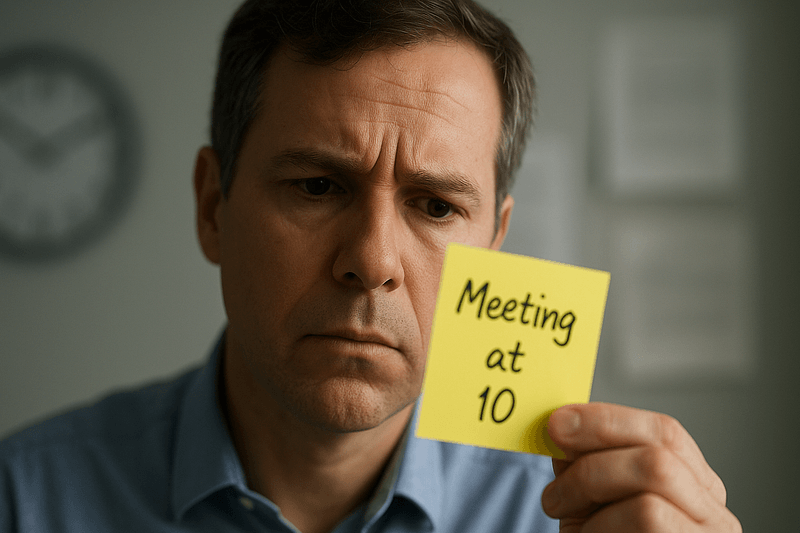
Early memory loss is not always dementia. Stress, sleep deprivation or depression can mimic the symptoms. But persistent issues signal concern. Struggling to recall familiar names, getting lost in routine places, repeating the same questions or forgetting key work tasks may point toward cognitive decline. If these lapses affect your daily performance, it is worth taking them seriously.
What to Do If Suspected
The first step is seeking a medical evaluation. General practitioners or neurologists can run memory assessments, brain scans and blood tests to rule out reversible causes. At the same time, it is wise to put practical systems in place. Structured calendars, task apps and financial planning tools may reduce stress. For workers and freelancers alike, discussing flexible arrangements, insurance and long term planning early can preserve both dignity and income if symptoms progress.

Expert Medical Perspectives
World renowned dementia specialists emphasize that cognitive decline extends far beyond simple memory loss. Dr. Zaldy S. Tan, director of the Bernard & Maxine Platzer Lynn Family Memory & Healthy Aging Program and medical director of the Jona Goldrich Center for Alzheimer’s and Memory Disorders at Cedars-Sinai, explains that managing dementia requires a truly multidisciplinary approach where memory specialists, neuropsychologists, social workers and other clinicians evaluate and support patients’ cognitive, behavioral and social challenges comprehensively, not just treat isolated symptoms (Cedars-Sinai, June 6, 2022, Q&A: Dementia Expert Dr. Zaldy Tan). This kind of team based care is crucial because dementia’s impact on planning, reasoning and executive functioning can influence every aspect of a person’s life, including their ability to work and remain professionally engaged.

Medical research also shows that stigma among healthcare professionals can delay early diagnosis and proper intervention, with many clinicians mistakenly attributing early dementia symptoms to normal ageing, which can accelerate declines in workplace productivity and career stability. A 2025 scoping review in Frontiers in Dementia found that physician held stigma and negative attitudes toward dementia diagnosis create barriers to timely recognition and effective care, highlighting the need for improved education and interdisciplinary training to reduce diagnostic delays and support people living with cognitive decline sooner (Warren & Wynia, July 22, 2025, Dementia-Related Stigma in Physicians: A Scoping Review of Stigma-Reduction Interventions).

To know more about these types of career damaging diseases and to enrich yourself with enough knowledge and necessary tools to adjust yourself as a freelancer or job holder, you may join $100K Money Hackers.
Frequently Asked Questions (FAQ)
When memory and focus slip, clients lose trust fast. Missed deadlines and forgotten tasks shrink opportunities and income streams.
Frequent confusion in meetings, repeated mistakes in routine work and forgetting key details signal deeper cognitive problems.
Use structured tools like task managers, automate reminders and document workflows early so projects keep moving if focus fades.
Set up recurring payments, build support networks and create passive income streams that continue even if active work slows.
Early diagnosis allows planning for flexible work, professional help and protective systems before decline erodes reputation and earnings.
They can adapt roles, simplify tasks and provide flexible schedules so skilled workers contribute without losing financial stability.
Conclusion
Dementia is not only memory loss, it is career loss. It strips stability from 9-5 workers and dismantles the fragile independence of freelancers. The ROI of decades of effort can vanish the moment cognitive decline takes hold. Recognizing dementia as both a medical and professional crisis is the first step toward building systems that protect workers when their most valuable asset, the mind begins to falter.


The Money Hacker