
5 Best Psychological Triggers for Selling Your Product Online
Buying is not only logical. It is emotional. Every online sale begins with a feeling that grows into action. Smart brands understand how psychology drives behavior. When you know what moves people, you can sell with empathy instead of pressure. These five triggers will help you connect deeper and increase conversions with honesty and care.
1. Scarcity Creates Urgency
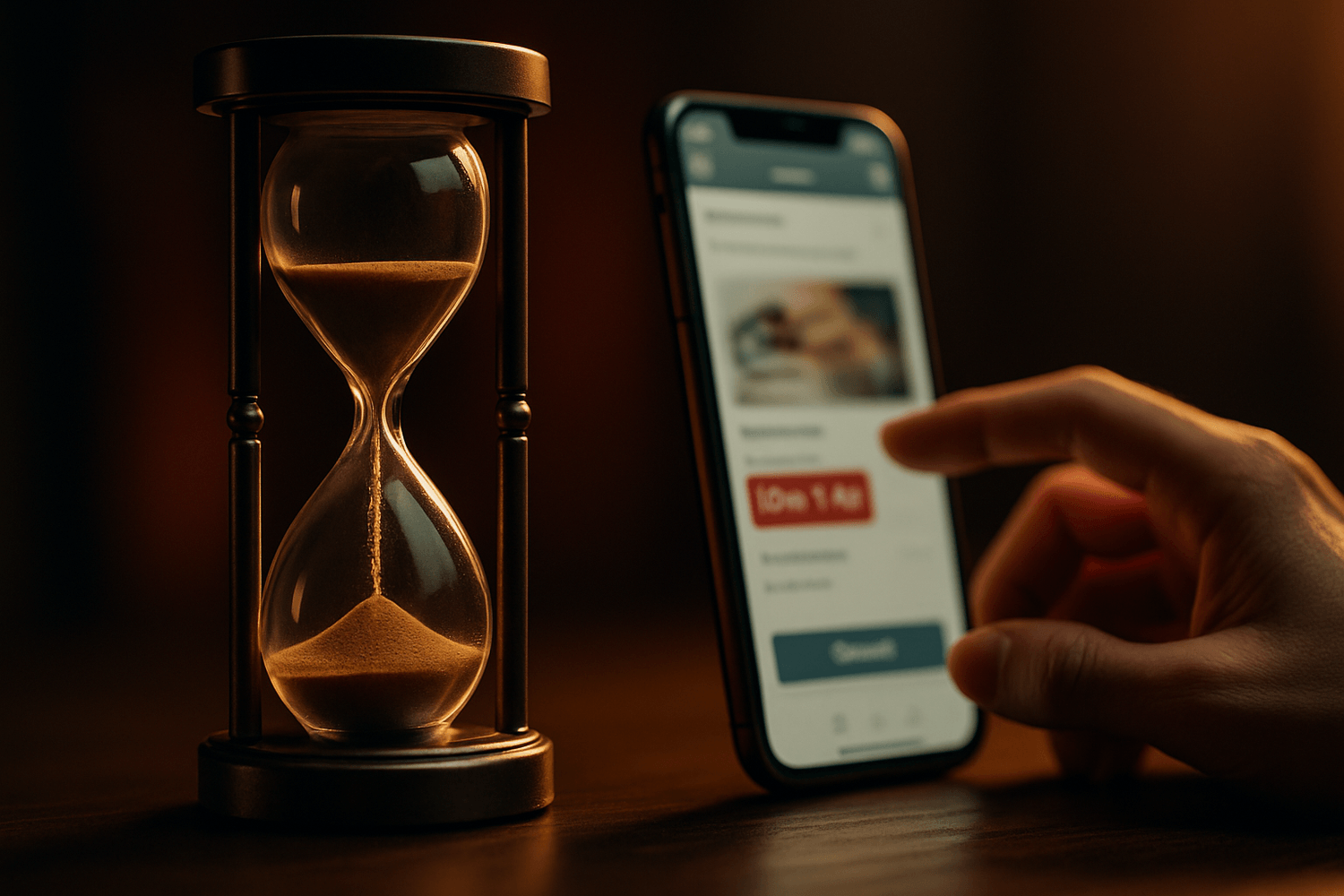
When people believe something is rare, they act faster. The fear of missing out pushes them to decide before the chance disappears. A countdown timer or a limited stock message builds gentle urgency. Amazon uses this idea with short stock alerts that make buyers move quickly.
Research shows that scarcity heightens both attention and desire when people sense real limitation (Psychology Today, February 11, 2020, 9 Things to Know About the Effects of Scarcity).
Real scarcity only works when it is true. False urgency weakens credibility. When you apply it honestly, it helps customers act at the right time instead of delaying out of indecision.
2. Social Proof Builds Trust
People look to others when they are unsure. Before buying, they search for signs that others are happy with the product. This is why reviews and testimonials are so powerful. Research shows that most online shoppers read reviews before they buy (Investopedia, July 14, 2025, 7 Ways Consumer Reviews Are Changing How We Shop).
When a shopper reads a real story from another customer, he/she imagines the same positive result for themselves. That emotional transfer creates belief. It is the modern version of word-of-mouth trust.
Smaller brands often perform better than large ones when their reviews sound genuine. Honest feedback and real names make a digital brand feel human.

3. Authority Shapes Perception
People trust experts more than advertisers. When a respected figure or institution supports a brand, the audience views it as credible. Authority removes uncertainty and replaces it with confidence.
Marketing research explains that “authority bias” acts as a mental shortcut in decision making when people face complexity (The Decision Lab, July 21, 2023, Why do we always trust the doctor, even though they might be wrong?).
When buyers see certifications awards or expert endorsements, they relax. A doctor approved label or “as seen in…” feature helps the brand feel trustworthy. To become expert, you need proper guidance. You can join a 1-on-1 Coaching with The Money Hacker. This 2 hour session may increase your expertise on selling products.

4. Reciprocity Inspires Loyalty
A brand that offers something valuable upfront builds goodwill. Free guides, trial offers or helpful content create a sense of thank you in the buyer’s mind. When people feel they have received something meaningful, they are more open to engaging further. Research shows that providing value first is a practical strategy to strengthen relationships and drive conversions (Cognitive Clicks, May 24, 2025, The Principle of Reciprocity in Marketing: Psychology-Backed).
Giving value before asking for a sale is not manipulation. It is laying a small foundation of trust. When you do this consistently, the buyer sees you as a partner not just a vendor.

5. Emotional Connection Sells More
Emotion leaves a deeper mark than pure information. A brand story can make a product feel meaningful rather than just functional. When people sense a brand aligns with their values or identity, they form stronger bonds. A study shows that emotional appeal in marketing communication influences brand loyalty through deep brand attachment mechanisms (Li, October 29, 2024, Function Mechanism of Emotional Appeal in Marketing Communication on Brand Loyalty).
Your marketing feels human and inclusive if your product does more than sell. It resonates.
For emotional connection, even political aesthetics become creator currency. You can read: How Political Aesthetics Became a Creator Currency

The Power of Consistency
A steady brand makes people feel safe. A stable brand identity makes you familiar rather than fleeting. Research shows that when brand elements align across, channels recognition grows and trust deepens (Marcom, June 15, 2023, Brand Consistency: Why It Is Important for Building Trust).
True consistency goes beyond logo or colour. It means matching your voice, promises and experience from first click to final purchase. Buyers relax if their expectations are met. Familiarity turns into comfort and comfort builds loyalty.
You can learn from USA and China to earn consistency. Read these two articles: How Serious China is to Win the AI Race and Most Searched AI Hustles American Youth Use to Earn Fast.

Frequently Asked Questions (FAQ)
Psychology helps you understand how people think and feel before they buy. When you align your message with emotion, trust grows and sales rise naturally.
Social proof makes your audience believe your product works. Honest reviews and real stories create trust faster than any ad.
Emotion makes people remember and care. Logic explains but emotion connects, turning interest into action.
Show true limits like low stock or short time offers. People value what feels rare and decide faster when the chance is real.
Offer free value first, like a guide or tip. It builds goodwill and makes clients more open to hiring you later.
When your voice and visuals match everywhere, people feel safe. They remember you and return because you stay familiar.
Conclusion
Selling online is not about tricks. It is about understanding people. Scarcity moves action. Social proof builds belief. Authority brings confidence. Reciprocity creates gratitude. Emotion drives memory. Consistency holds everything together. Use these principles with care and your brand will not only sell more but also earn lasting trust.


The Money Hacker