
Tatiana Schlossberg and the Cost of Cancer on Young Potential
Cancer rarely gives warning. One day carries plans, deadlines, and momentum. The next replaces certainty with scans, fear and waiting. Tatiana Schlossberg lived inside that rupture, where young potential met an abrupt stop. Youth often feels permanent until illness rewrites the future overnight. Some lives keep expanding. Others are forced into silence without consent. That divide reshapes work, identity and unrealized contribution in ways most people never measure. This article explores how cancer cuts short young promise, using Tatiana Schlossberg’s life to reveal what society truly loses.
Promising Tatiana Schlossberg
Tatiana Schlossberg grew up surrounded by history, yet she refused to live inside inheritance. As the daughter of Caroline Kennedy and the granddaughter of President John F. Kennedy, expectations followed her early. She chose substance over spotlight. Schlossberg studied history at Yale and later journalism, training herself to observe systems rather than personalities. Her work showed discipline, restraint and long range thinking. She believed public attention should be earned through clarity, not lineage. That decision shaped everything she built.
Her professional life focused on responsibility in everyday choices. She reported on climate, environment and public accountability for major outlets, including The New York Times. Her writing avoided panic and avoided slogans. Instead, it explained how ordinary habits quietly reshape the planet. In 2019, she published Inconspicuous Consumption, a book examining how daily convenience hides environmental cost (Balance, August 27, 2019, Inconspicuous Consumption). The book mattered because it translated abstract climate damage into personal awareness. It gave readers agency without guilt.

What made Schlossberg especially promising was her voice near the end of her public work. In a widely read personal essay, she reflected on life, responsibility and meaning with rare precision and emotional control (The New Yorker, November 22, 2025, A Battle with My Blood). The writing showed intellectual maturity beyond age. It balanced vulnerability with insight and revealed a thinker entering her strongest phase. That is why her name carries weight beyond biography. Tatiana Schlossberg represented unfinished impact, disciplined purpose and the kind of potential society rarely recognizes until momentum is already lost.
When Cancer Targets Young Momentum
Everything was going right to Tatiana. But the timing made the disruption brutal. Her education was complete. Her work had direction. Her voice carried confidence. She was no longer building entry points. She was rather shaping impact. Momentum had begun to compound, the phase where effort finally starts returning value.
Illness broke that rhythm without warning. Days once shaped by creation turned toward survival. Progress lost continuity. Growth stalled mid stride. Tatiana’s story shows why early illness cuts deeper. Cancer did not stop potential waiting to begin. It stopped momentum already in motion, erasing the compounding force that turns purpose into lasting influence.

Too Early to Say Good Bye
The end came with cruel speed. Tatiana Schlossberg died on December 30, 2025 at the age of only 35 after a battle with acute myeloid leukemia, a rare and aggressive blood cancer. Her family confirmed the news through public statements, marking a loss that felt abrupt even after months of struggle (Associated Press, December 30, 2025, Tatiana Schlossberg, a grandchild of the late President John F. Kennedy, has died at 35). The announcement carried a heavy truth. Preparation does not soften shock when a life ends during ascent.
Her death landed harder because of timing. She was young and active. She was still shaping her voice and widening her reach. Goodbye arrived before closure, before fulfillment and before the natural slowing that comes with age. Too early does not describe age alone. It describes unfinished thinking, unwritten work and conversations that never happened. In Tatiana’s case, farewell arrived while the future was still opening, not closing.
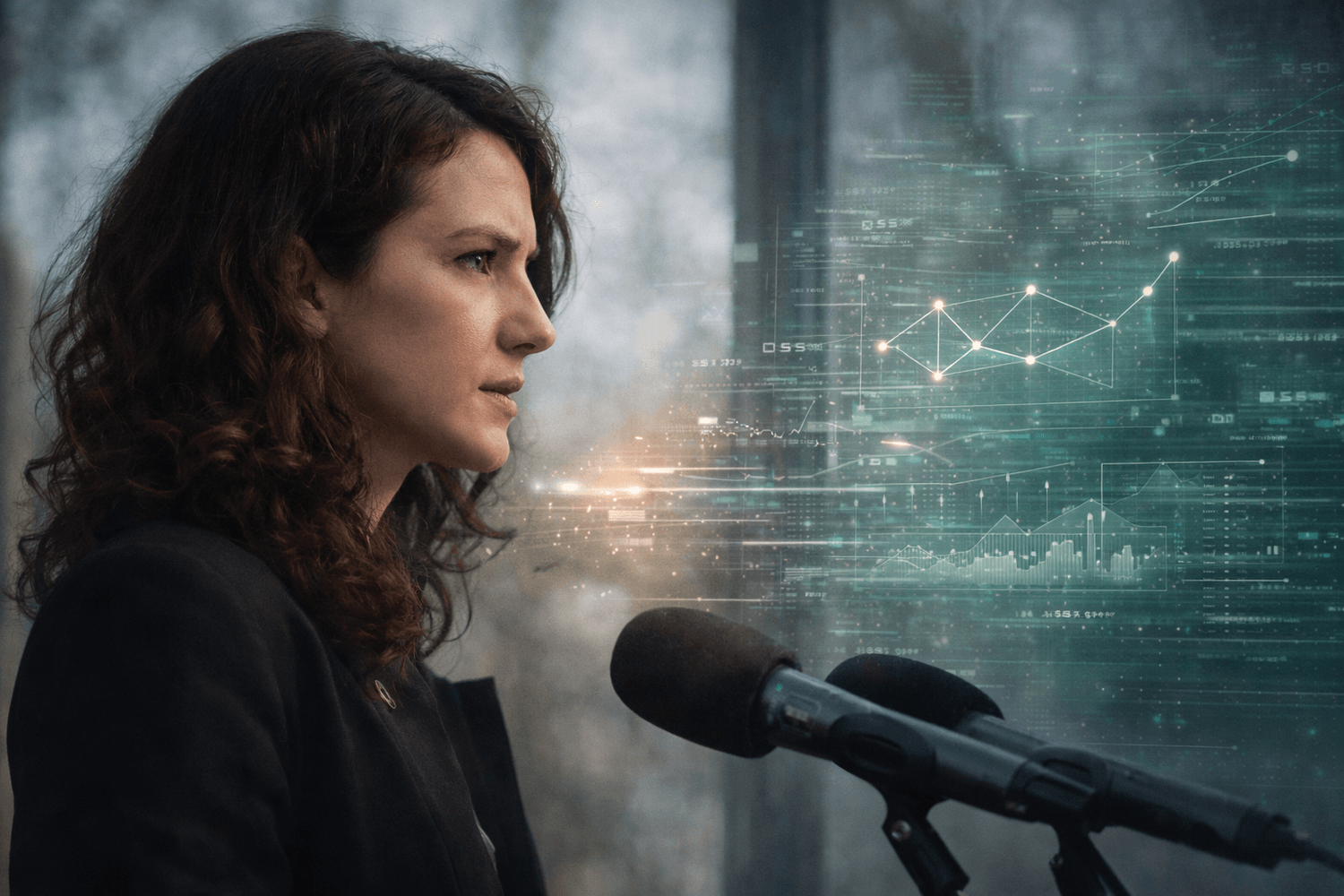
A Great Shock Indeed
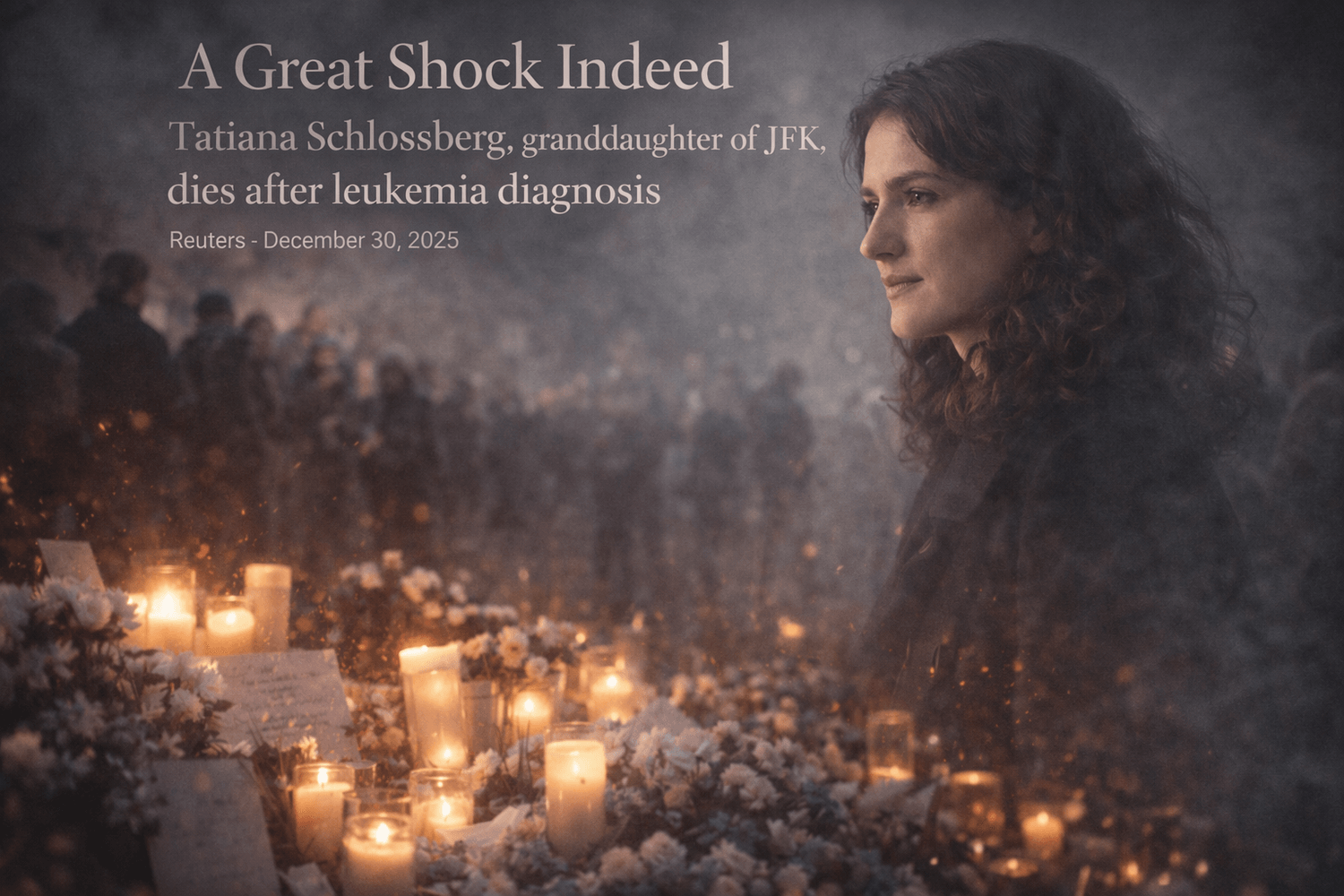
The news spread fast, then settled heavy. Tatiana Schlossberg’s death stunned readers, colleagues and observers who had followed her work closely. Many knew her as a careful thinker and a steady voice, not someone defined by public spectacle. The shock came from contrast. She represented continuity, not fragility. When a life associated with clarity and forward movement ends suddenly, disbelief becomes the first response (Reuters, December 30, 2025, Tatiana Schlossberg, granddaughter of JFK, dies after leukemia diagnosis).
The reaction revealed something deeper than grief. It exposed how strongly people believed in her future presence. Tatiana was expected to keep contributing, keep shaping conversations adding depth to public understanding. Her absence felt unnatural because she belonged to the category of people assumed to endure. That is why the shock lingered. It was not only about death. It was about a future many quietly counted on, suddenly erased.
What America Lost with Tatiana
Tatiana’s struggle was not defined by cost. It was defined by endurance. She continued thinking, writing and reflecting even as her world narrowed. Her final work showed discipline under pressure, clarity under fear and responsibility under time scarcity. That matters. A society depends on people who can think clearly while facing discomfort. Tatiana was becoming one of those voices. Her sudden absence did not remove a dream alone. It removed a perspective still forming, one grounded in ethics, environment and long term accountability.
The United States lost more than a journalist. It lost years of future insight, a leadership that would have matured quietly, without spectacle. History often notices promise only after interruption. Tatiana’s life reminds us how fragile contribution can be, even in a system filled with resources. When cancer ends a life at this stage, the loss spreads outward. Families grieve first. Then institutions feel the silence. Finally, a country realizes something important never arrived.
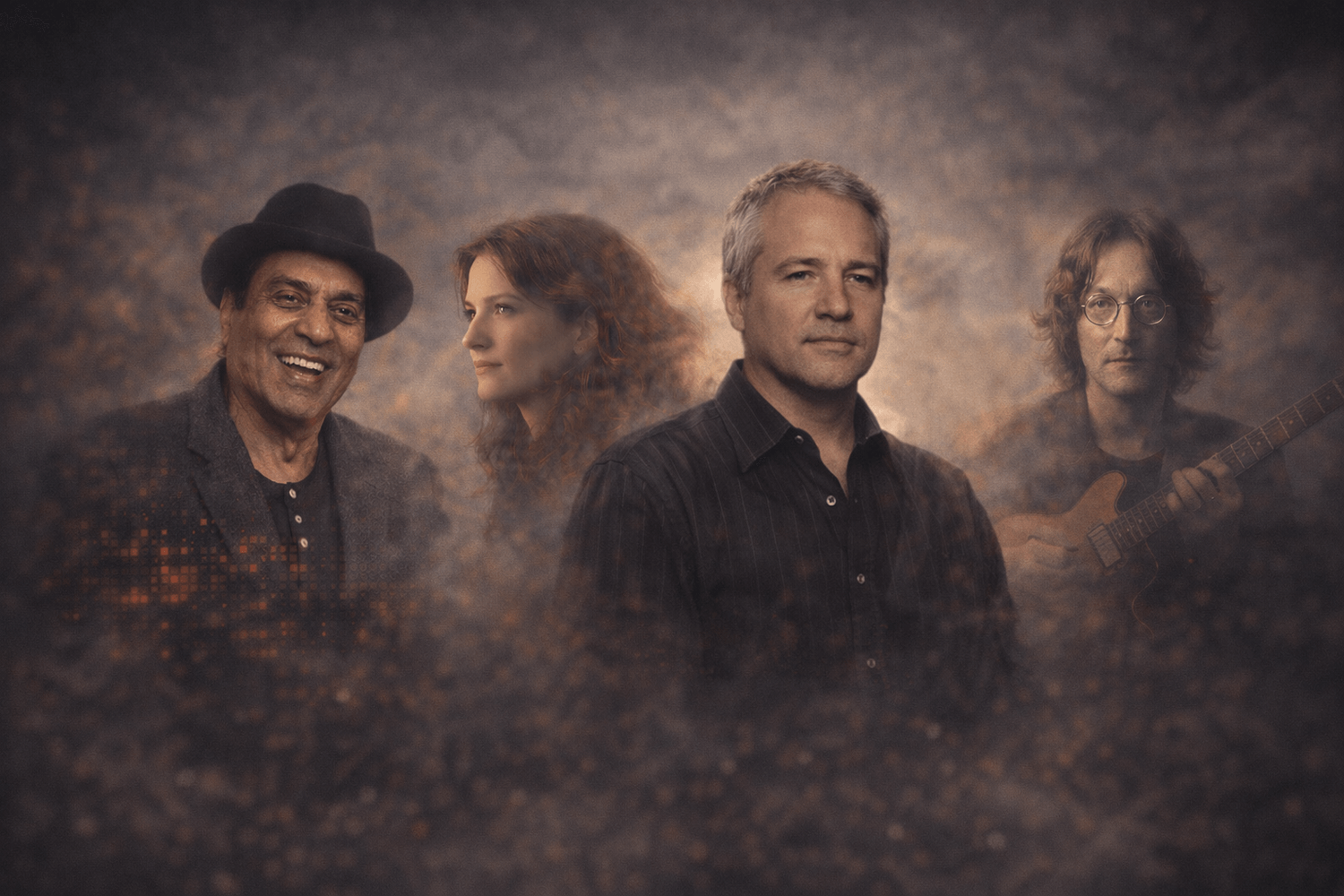
Creators Never Die
Creation outlives breath. Ideas remain active long after bodies stop. History proves this pattern again and again. Influence does not depend on lifespan. It depends on depth. Cultural memory preserves those who shape meaning rather than chase attention. That permanence explains why creative figures continue moving economies, thought and identity after death (The Money Hacker, November 28, 2025, Dharmendra Death and the Digital Economy).
Tatiana Schlossberg belongs inside that continuum. Her work joined a lineage where creators convert thought into lasting presence. Games outlive studios. Music outlives violence. Writing outlives illness. Legacy forms through contribution, not longevity (The Money Hacker,December 24, 2025, Call of Duty Makes Zampella Immortal). The same truth appears across generations. Voices silenced early still echo across decades because meaning resists erasure (The Money Hacker, December 9, 2025, Mystery of John Lennon’s Killing and Money Hacker Mindset).
What Digital Creators Can Do
Tatiana Schlossberg’s life leaves behind more than memory. It leaves guidance. Her work shows how creation can outlast presence when built with intention, discipline and responsibility.
Create for Depth, Not Speed
Tatiana never chased volume. She chased clarity. Digital creators often rush toward trends and constant output. Depth lasts longer than momentum. Work grounded in research and ethics survives platform shifts. Meaning travels further than noise.
Build for Continuity
Creators fade. Work should not. Archives, ownership and structure protect ideas from disappearance. Systems allow creation to stand alone without constant maintenance. Legacy depends on stability more than visibility.
Choose Contribution Over Visibility
Attention evaporates quickly. Contribution compounds slowly. Tatiana’s writing mattered because it explained systems rather than chasing reactions. Creators who prioritize usefulness shape memory instead of metrics.
Accept Responsibility as Power
Creation influences thought and behavior. Treating content as responsibility elevates its value. Tatiana showed how restraint amplifies impact. Digital creators who act with intention build work that remains relevant long after silence arrives.

If you are a digital creator or freelancer and searching for a platform to get assistance and required tools for reaching your goal, join $100K Money Hackers. Here you will get 35 very essential AI tools for just $1/month.
In any case, be aware of scams. It can destroy all your good efforts within no time. For identifying scam, you can use Freelance Scam Detector AI. Just drop the project link or post and it will analyze the client, payment terms and contract risks saving you from fake offers and shady deals.
Frequently Asked Questions (FAQ)
Her work showed discipline and restraint. She focused on climate responsibility and long term thinking. That focus built trust and credibility.
Illness breaks continuity during growth. Work pauses while survival takes priority. Lost rhythm often means lost influence.
Ideas stop mid development. Leadership paths disappear quietly. Collective progress slows without notice.
Depth lasts longer than speed. Thoughtful work survives platform change. Intention protects relevance.
Expectation shapes grief. Future contribution feels assumed. Sudden absence removes paths never explored.
Structure matters more than volume. Archives preserve meaning. Responsibility strengthens longevity.
Conclusion
Tatiana Schlossberg’s life reminds us how fragile progress can be when time disappears without warning. Promise does not fail because of lack of talent. It fails when continuity breaks too early. Her work showed restraint, depth and responsibility, qualities society needs more than ever. Cancer ended her journey, but not her relevance. Tatiana’s story urges a broader truth. Build ideas that endure. Shape value that outlives presence. That is how promise continues, even after goodbye.


The Money Hacker