
Why Trump Approved Samsung China Materials Deal for 2026
The approval allowing Samsung to move China linked materials into its supply chain for 2026 looks controversial at first glance. In reality, it reflects a familiar pattern in global economics. When strategic industries face disruption risks, governments tend to protect stability before ideology. Semiconductors sit at the heart of inflation, technology growth and consumer prices. That reality shapes policy decisions more than public rhetoric.
What the US Approved
The US granted Samsung and SK Hynix a one year license for 2026 to bring chipmaking equipment into their China based factories, shifting them into a stricter annual approval system as the old validated end user privilege expires on December 31, 2025 (Reuters, December 30, 2025, US approves Samsung, SK Hynix chipmaking tool shipments to China for 2026, sources say). This turns access into a yearly checkpoint. It also gives Washington a switch it can flip fast if tensions spike.
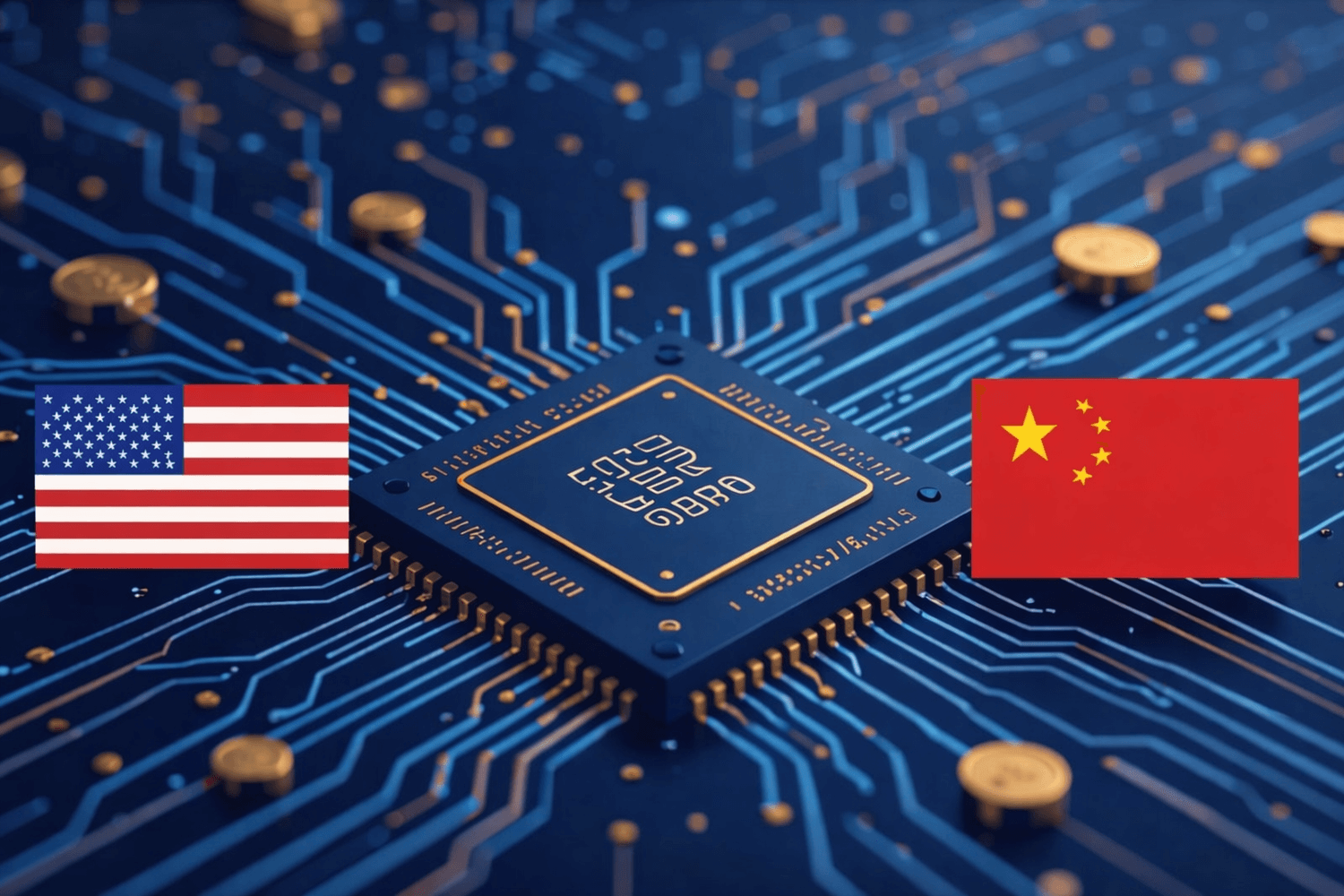
This is a control move, not a giveaway. China is still a major production hub for both firms, especially for traditional memory chips needed across consumer tech and AI data centers. A sudden equipment block would risk output drops and price jumps. The license keeps factories running while keeping policy pressure alive. It is business stability with political supervision.
Chips Reshape Policy
Memory chips are essential components in smartphones, servers, cars and AI infrastructure. Global memory supply constraints are already pushing prices up sharply as demand outstrips production capacity. According to market analysis, the imbalance between memory supply and demand is forcing manufacturers to allocate more output to high value uses like AI data centers, leaving fewer chips available for mainstream devices and driving cost increases across the board (IDC, December 18, 2025, Global Memory Shortage Crisis: Market Analysis and the Potential Impact on the Smartphone and PC Markets in 2026).
This dynamic means that even small disruptions or policy shifts affecting memory supply can quickly ripple through multiple industries and for policymakers, ensuring stable chip output is a cheaper and more predictable way to prevent wider price inflation than letting shortages worsen and then reacting to the consequences.

Control without Disruption
The US Department of Commerce confirmed it closed a loophole that allowed foreign owned semiconductor fabs in China to access controlled chipmaking tools without individual licenses (US Department of Commerce, August 29, 2025, Department of Commerce Closes Export Controls Loophole for Foreign-Owned Semiconductor Fabs in China). The intent is clear. Tighten oversight without halting production. Apply pressure without triggering supply shocks. Control increases, but the global chip system keeps running.

VEU is Officially Over
The Federal Register formally revoked Validated End User (VEU) authorizations for semiconductor facilities in China, including those tied to Samsung and SK Hynix (Federal Register, September 2, 2025, Revocation of Validated End-User Authorizations in the People’s Republic of China). This ends a system that once allowed trusted companies to receive sensitive equipment with minimal friction. The era of blanket confidence is closed.
In its place comes annual licensing. Every shipment now passes through review. Regulators gain visibility, timing control and enforcement power. At the same time, factories keep running and global supply avoids shock. This is tighter governance without self inflicted damage and it resets the balance of power in semiconductor oversight.

China Tightens the Squeeze
China is accelerating its push for semiconductor self reliance. Reuters reported that Beijing now requires chipmakers to source up to 50 percent of equipment domestically when building or expanding fabs (Reuters, December 30, 2025, China mandates 50% domestic equipment rule for chipmakers, sources say). This is not symbolic policy. It directly reshapes procurement decisions and limits how much foreign technology can be embedded in future production lines. For companies like Samsung, the window to operate smoothly under older assumptions is narrowing fast.
This pressure fits a larger strategic pattern. China is reducing dependency while building long term control over AI and chip ecosystems. Money Hacker has already broken down how this ambition connects to the broader race for AI dominance and industrial leverage (The Money Hacker, November 7, 2025, China Wants to Win the AI Race). In the short term, continuity matters for global markets. In the long term, the balance of power is shifting and firms must adapt before policy hardens further.

Trump's Trade Timing
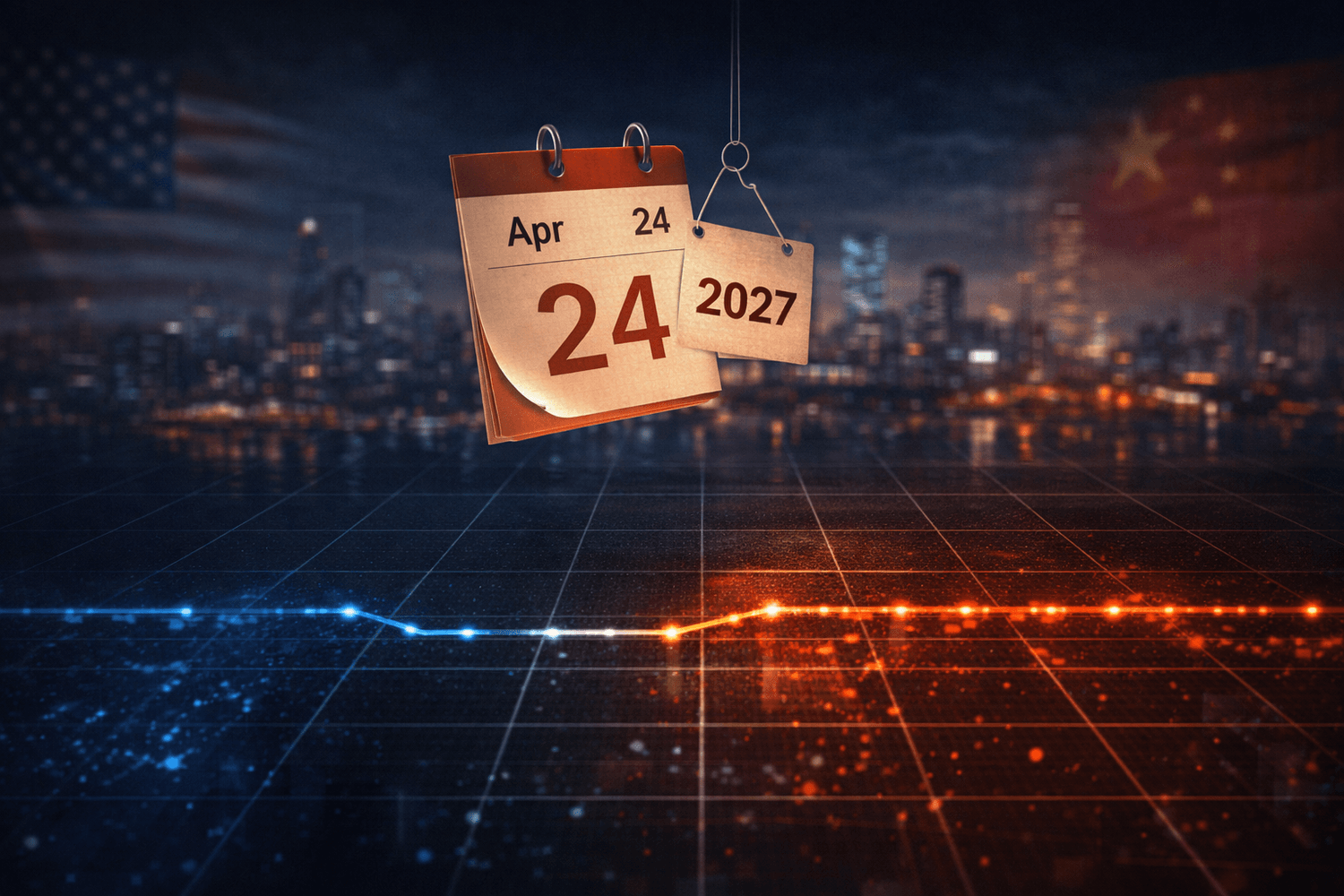
Reuters reported that the US delayed planned tariffs linked to Chinese semiconductors until 2027 to avoid near term economic fallout (Reuters, December 23, 2025, US delays announcement of China chip tariffs until 2027). The signal is consistent. Pressure remains on the table, but escalation is paced. The goal is influence without triggering inflation, market panic or supply chain disruption at home.
This timing logic has appeared before. Money Hacker noted how trade pressure often softens around moments of negotiation and strategic signaling, including high level US-China engagements (The Money Hacker, October 31, 2025, Trump Xi Summit Hope). The approach is predictable. Keep leverage alive. Avoid sudden shocks. Let markets breathe while diplomacy and business calculations catch up.
Signal for Digital Builders
Big policy decisions quietly shape digital opportunity. When chip supply stays stable, AI tools remain affordable, platforms keep scaling and attention flows follow predictable patterns. That stability matters more to builders than political noise.
a. Pattern Recognition Beats Guesswork
Money Hacker frames online income as a game of timing and signal reading, not luck (The Money Hacker, December 3, 2025, Making Money Online is a Game and You Need to Know How to Play). Macro clarity allows creators to spot cycles early and move with confidence instead of reacting late.
b. Turning Trends into Assets
Stable tech infrastructure helps short trends convert into long term income streams. Money Hacker shows how viral moments become real business only when creators act with structure and speed (The Money Hacker, November 13, 2025, Viral Trends Into Real Income). Consistency beats panic every time.
c. Politics is Now a Market Signal
Political decisions increasingly shape digital value. From narratives to aesthetics, power shifts influence what captures attention and money. Money Hacker explains how political identity itself has become economic currency (The Money Hacker, November 9, 2025, Political Aesthetics Became Currency). Builders who read these signals early position themselves ahead of the curve.

If you want to be a successful digital builder and are searching for a one stop solution to gain your financial freedom, then you can join $100K Money Hackers. Here you will get 35 AI tools for just $1/month. They will help you in your online business, dating life, fitness journey, to have fun and so much more! Be with the Skool Community and enjoy your time.
In any case, be aware of scams. It can destroy all your good efforts within no time. For identifying scam, you can use Freelance Scam Detector AI. Just drop the project link or post and it will analyze the client, payment terms and contract risks saving you from fake offers and shady deals.
Frequently Asked Questions (FAQ)
Stable chip flow keeps AI tools affordable and cloud platforms scalable. Cost predictability protects margins during product launches. Sudden shortages usually hit small builders first.
Yearly approvals reduce sudden shutdown risk. Software pricing stays predictable while hardware output remains steady. Builders plan launches with confidence.
Consistent memory production limits sharp cost jumps. Training platforms benefit first. Smaller creators avoid forced downgrades.
Hardware shortages raise SaaS fees fast. Enterprises secure access early. Independent operators feel pressure sooner.
Infrastructure stability favors long term systems. Subscription products gain durability during steady compute phases.
Trade decisions shape platform economics. Early awareness improves timing. Opportunity moves before headlines catch up.
Conclusion
This decision reveals how power actually works in a fragile global system. Ideology speaks loudly, but supply chains decide outcomes. Chips forced restraint where slogans could not. Control increased without breaking momentum. Stability bought time. Pressure stayed alive. The future belongs to those reading signals beneath noise, because the next shift will arrive quietly, then change everything.


The Money Hacker